


Hilary Mantel’s Wolf Hall: The Mirror and the Light stands as one of the most ambitious and emotionally resonant historical novelswolf hall the mirror and the light of the 21st century. As the final installment in Mantel’s acclaimed Tudor trilogy, this novel completes the epic life story of Thomas Cromwell, one of the most complex political figures in English history.
More than a simple historical account, The Mirror and the Light is a deep psychological exploration of ambition, loyalty, power, fear, and identity. Mantel transforms a figure long vilified by history into a profoundly human character whose rise and fall mirrors the brutality and uncertainty of Tudor England.
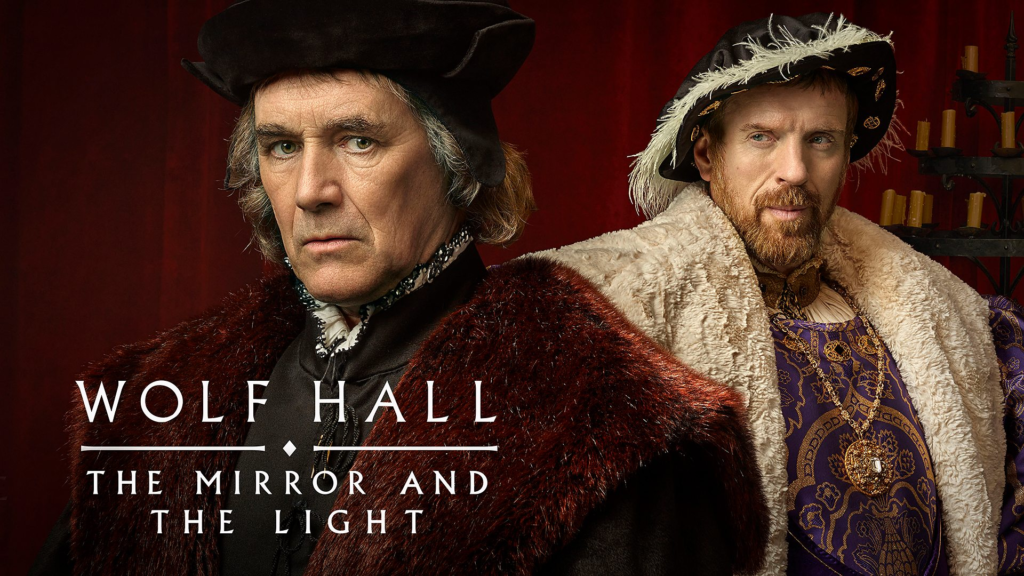
This article explores the themes, structure, historical context, critical reception, and cultural significance of wolf hall the mirror and the light, while also examining why this novel continues to captivate readers across the world.
Understanding Wolf Hall: The Mirror and the Light
The Mirror and the Light was published in 2020 and serves as the concluding volume after Wolf Hall (2009) and Bring Up the Bodies (2012). Together, the trilogy traces Thomas Cromwell’s journey from blacksmith’s son to the most powerful man in England after King Henry VIII.
In this final novel, Cromwell has reached the peak of his influence. He is Earl of Essex, Lord Privy Seal, and the king’s chief minister. Yet his power is fragile, and the political climate around him grows increasingly dangerous.
Unlike traditional historical fiction that focuses primarily on royal figures, Mantel places Cromwell at the center of the Tudor court’s emotional and political drama. Through this lens, readers experience not only historical events but also the internal struggles of a man who understands that survival depends on constant vigilance.
Wolf Hall: The Mirror and the Light and the Rise of Thomas Cromwell
One of the defining strengths of wolf hall the mirror and the light is how it portrays Cromwell’s evolution from survivor to statesman. The novel opens with Cromwell firmly established in power following the execution of Anne Boleyn.
Yet instead of triumph, Cromwell feels unease. He is haunted by the ghosts of those he has helped destroy and by memories of his own brutal childhood. Mantel shows how power isolates Cromwell and turns allies into enemies.
His role as Henry VIII’s enforcer places him in morally ambiguous situations. He arranges marriages, interrogates traitors, dissolves monasteries, and crushes rebellions—all while attempting to maintain a sense of personal integrity.
The tension between Cromwell’s ambition and his conscience becomes one of the novel’s most compelling emotional threads.
Political Intrigue in Wolf Hall: The Mirror and the Light
Political maneuvering dominates much of the narrative. Tudor England is depicted as a ruthless environment where loyalty shifts rapidly and survival depends on anticipating the king’s moods.
Henry VIII emerges as unpredictable, egotistical, and increasingly paranoid. He relies on Cromwell but also resents his power. This unstable relationship creates a constant sense of danger.
Key political conflicts include:
- The aftermath of Anne Boleyn’s execution
- The failed marriage to Anne of Cleves
- The influence of Catholic conservatives at court
- Rising hostility from noble families
- Cromwell’s accumulation of enemies
Mantel portrays politics as a performance where public loyalty often masks private resentment. Cromwell understands this better than anyone, yet even he cannot prevent his eventual downfall.
The Emotional Depth of Wolf Hall: The Mirror and the Light
Unlike its predecessors, The Mirror and the Light leans heavily into emotional introspection. Cromwell is no longer merely a brilliant strategist; he is a man reflecting on loss, legacy, and mortality.
He mourns:
- His wife and daughters
- His mentor Cardinal Wolsey
- His former innocence
- The humanity he has sacrificed for power
Mantel uses memory and internal monologue to deepen Cromwell’s psychological portrait. His reflections on childhood abuse, poverty, and survival humanize a figure often dismissed as ruthless.
The result is a tragic hero whose intelligence cannot shield him from fate.
Historical Accuracy in Wolf Hall: The Mirror and the Light
Mantel was renowned for her meticulous historical research. Every scene in wolf hall the mirror and the light is grounded in documented events, letters, and political realities of Tudor England.
Yet she avoids dry historical exposition. Instead, she weaves facts seamlessly into narrative.
Key historical elements include:
- The Dissolution of the Monasteries
- The Pilgrimage of Grace
- Diplomatic tensions with Europe
- Henry VIII’s declining health
- Court factionalism
Mantel’s genius lies in making these political events feel intimate and urgent, rather than distant or academic.
Wolf Hall: The Mirror and the Light as a Study of Power
At its core, this novel is a meditation on power—how it is gained, maintained, and lost.
Cromwell understands power better than his aristocratic rivals. He builds alliances, rewards loyalty, and eliminates threats. Yet his rise disrupts traditional class hierarchies, making him a target for resentment.
Mantel explores:
- The fragility of political authority
- The loneliness of leadership
- The illusion of control
- The cost of ambition
Cromwell’s downfall feels inevitable, not because he lacks intelligence, but because power itself attracts destruction.
Symbolism in Wolf Hall: The Mirror and the Light
The title itself carries symbolic weight.
The Mirror represents reflection, identity, and self-examination. Cromwell constantly reviews his past decisions, relationships, and moral compromises.
The Light symbolizes exposure, truth, and divine judgment. As Cromwell’s enemies close in, secrets are revealed and accusations surface.
Together, the mirror and the light suggest a reckoning—both personal and political.
Writing Style in Wolf Hall: The Mirror and the Light
Mantel’s prose is distinctive and demanding. She uses close third-person narration, often blurring the line between narrator and Cromwell’s thoughts.
Her sentences are precise, restrained, and emotionally layered.
Key stylistic features include:
- Minimal quotation marks
- Shifting temporal perspective
- Rich metaphorical language
- Deep psychological realism
Though some readers find her style challenging, it rewards careful attention with extraordinary emotional depth.
Wolf Hall: The Mirror and the Light and Feminine Power
Female characters play a subtle but vital role in the novel.
Figures like:
- Jane Seymour
- Anne of Cleves
- Catherine Howard
- Mary Tudor
are depicted as political tools within a male-dominated system. Mantel portrays their vulnerability and quiet resilience without romanticizing their suffering.
Women are both victims and agents of influence, navigating court politics with limited options.
The Downfall in Wolf Hall: The Mirror and the Light
The final act of the novel focuses on Cromwell’s arrest, imprisonment, and execution.
This section is emotionally devastating.
Cromwell is betrayed by allies, condemned by fabricated charges, and abandoned by the king he served.
Mantel’s depiction of his imprisonment is haunting. Cromwell reflects on childhood, faith, forgiveness, and death. He confronts his own complicity in violence and injustice.
The execution scene is written with restrained dignity, avoiding melodrama while amplifying emotional impact.
Critical Reception of Wolf Hall: The Mirror and the Light
Upon release, the novel received widespread acclaim.
Critics praised:
- Mantel’s narrative ambition
- Emotional intensity
- Historical authenticity
- Literary craftsmanship
The book was shortlisted for the Booker Prize, making Mantel the first woman to have three novels shortlisted for the award.
Many reviewers described it as one of the finest historical novels ever written.
Cultural Impact of Wolf Hall: The Mirror and the Light
The trilogy has influenced:
- Historical fiction writing
- Academic discussions of Tudor history
- Television adaptations
- Popular understanding of Cromwell
The BBC adaptation of Wolf Hall renewed interest in Tudor politics and Mantel’s reinterpretation of historical villains.
Cromwell is no longer remembered only as a tyrant but as a tragic political survivor.
Why Wolf Hall: The Mirror and the Light Still Matters
This novel remains relevant because it speaks to modern concerns about power, loyalty, and political instability.
Its themes resonate with:
- Corporate leadership
- Government corruption
- Class conflict
- Moral compromise
Mantel reminds readers that behind every political system are human beings shaped by fear, desire, and ambition.
Final Thoughts on Wolf Hall: The Mirror and the Light
Wolf hall the mirror and the light is not merely a historical novel—it is a literary monument.
Hilary Mantel transforms history into lived experience. She challenges readers to reconsider morality, authority, and the meaning of legacy.
Thomas Cromwell emerges not as hero or villain, but as a deeply human figure struggling to survive in a brutal world.
The trilogy’s conclusion is heartbreaking, profound, and unforgettable.
For readers who seek historical fiction with intellectual depth, emotional intensity, and philosophical richness, this novel stands among the greatest of its kind.
