

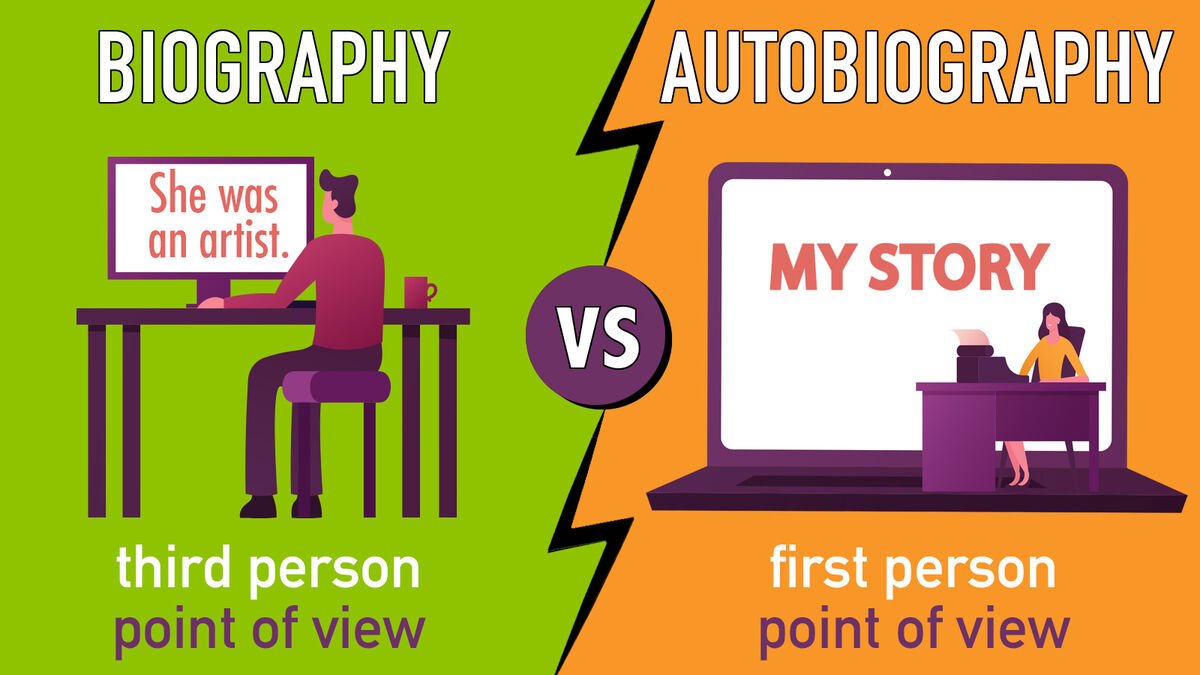
In the world of literature and personal narratives, the terms biography vs autobiography are often used interchangeably, but they have distinct meanings. Both forms allow readers to explore a person’s life, experiences, and achievements, but the perspective, purpose, and style differ significantly. Understanding these differences is essential for writers, students, and literature enthusiasts.
This comprehensive guide explores the nuances of biography vs autobiography, their definitions, examples, benefits, challenges, and tips for writing each effectively.
What is a Biography?
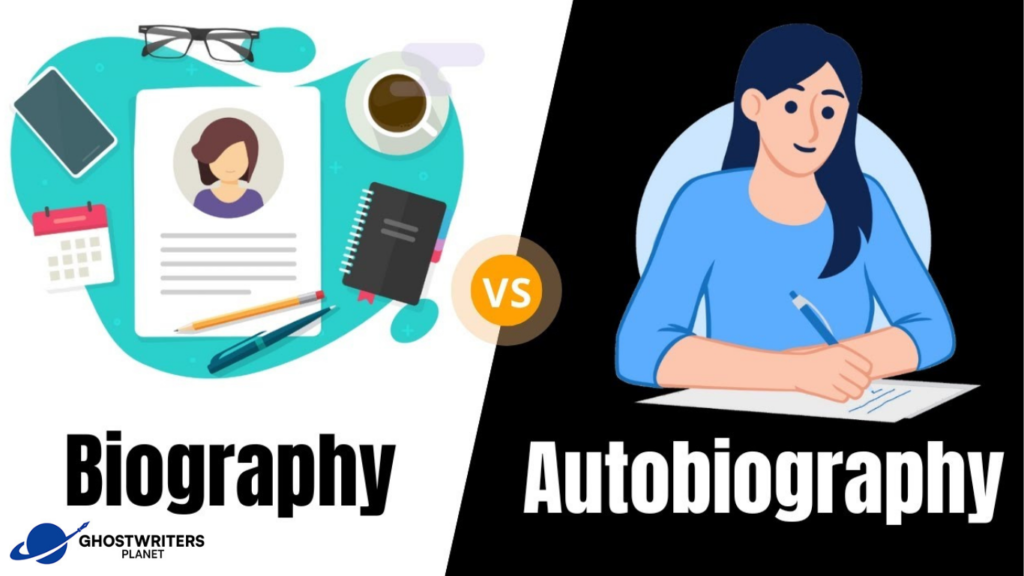
A biography vs autobiography, is a detailed account of a person’s life written by someone else. It aims to provide an objective perspective on the subject’s experiences, achievements, and challenges. Biographies can focus on the entire life of a person or a specific period, depending on the author’s intent.
Key Features of a Biography
- Written by Others: Unlike autobiographies, biographies are authored by someone other than the subject.
- Objective Perspective: Authors often maintain a neutral tone, presenting facts and verified information.
- Comprehensive Coverage: Biographies may cover personal, professional, and social aspects of life.
- Research-Based: Extensive research, interviews, and historical documentation are usually involved.
What is an Autobiography?
An autobiography is a self-written account of the author’s own life. It offers an intimate, first-person perspective, allowing readers to connect directly with the author’s thoughts, feelings, and experiences.
Key Features of an Autobiography
- First-Person Narrative: Autobiographies are written in the “I” perspective.
- Personal Reflection: They often explore emotions, motivations, and internal experiences.
- Subjective Perspective: Since the author writes about their own life, the account may reflect personal biases.
- Focus on Milestones: Autobiographies highlight important events, achievements, and challenges as perceived by the author.
Differences Between Biography vs Autobiography
Understanding the differences between biography vs autobiography is crucial for readers and writers alike. Here are the main distinctions:
| Aspect | Biography | Autobiography |
|---|---|---|
| Author | Written by someone else | Written by the person themselves |
| Perspective | Third-person | First-person |
| Objectivity | More objective | More subjective and personal |
| Research | Requires external research, interviews, documentation | Based on personal memories and experiences |
| Purpose | To inform readers about someone’s life | To express personal experiences and reflections |
| Examples | Steve Jobs by Walter Isaacson | The Diary of a Young Girl by Anne Frank |
Examples of Biography vs Autobiography
Famous Biographies
- Steve Jobs by Walter Isaacson
- Alexander Hamilton by Ron Chernow
- Einstein: His Life and Universe by Walter Isaacson
Famous Autobiographies
- The Diary of a Young Girl by Anne Frank
- Long Walk to Freedom by Nelson Mandela
- I Know Why the Caged Bird Sings by Maya Angelou
These examples highlight how biographies offer external perspectives, while autobiographies provide intimate insights from the author themselves.
Benefits of Reading Biography vs Autobiography
Both biographies and autobiographies have unique benefits:
Benefits of Reading Biographies
- Objective Learning: Biographies provide a broader understanding of historical figures and famous personalities.
- Inspiration from Others: Readers can learn from the experiences, achievements, and failures of others.
- Educational Value: Biographies are valuable resources for research, projects, and understanding history.
Benefits of Reading Autobiographies
- Personal Connection: Readers gain insight into the author’s personal thoughts and emotions.
- Motivation and Empathy: Autobiographies can inspire readers to overcome challenges.
- Unique Perspective: Offers firsthand knowledge of events and experiences.
How to Write a Biography vs Autobiography
Writing a Biography
- Choose a Subject: Decide whether to write about a famous figure or someone personal.
- Research Extensively: Gather information from interviews, articles, letters, and historical records.
- Create a Timeline: Organize events chronologically for coherence.
- Maintain Objectivity: Present facts accurately without personal bias.
- Add Context: Explain the social, historical, or cultural background to make the biography informative.
Writing an Autobiography
- Reflect on Your Life: Identify key events, milestones, and experiences to include.
- Be Honest and Authentic: Share your emotions, thoughts, and reflections.
- Use First-Person Perspective: Write as “I” to engage readers personally.
- Organize Your Story: Decide whether to follow a chronological or thematic structure.
- Edit Carefully: Ensure clarity, coherence, and readability while maintaining authenticity.
Common Mistakes to Avoid in Biography vs Autobiography
In Biographies
- Failing to fact-check information
- Overloading with unnecessary details
- Allowing personal bias to influence the narrative
In Autobiographies
- Exaggerating achievements
- Omitting significant events
- Neglecting the narrative flow
Tips for Students Writing Biography vs Autobiography
- Understand the Difference: Knowing the key distinctions is the first step.
- Choose the Right Approach: Decide whether you want to tell your story (autobiography) or someone else’s (biography).
- Use Clear Language: Maintain readability for your target audience.
- Include Key Events: Focus on milestones and turning points in the person’s life.
- Revise and Edit: Ensure factual accuracy and narrative clarity.
The Importance of Biography vs Autobiography in Literature
Historical Significance
Biographies and autobiographies help preserve history and provide insights into important figures’ lives. They document societal changes, cultural contexts, and personal struggles that shaped the world.
Emotional and Educational Impact
- Biographies: Inspire and educate readers by showcasing achievements and failures of others.
- Autobiographies: Offer personal lessons, emotional insights, and inspiration for readers to overcome challenges.
Modern Trends in Biography vs Autobiography
With the rise of digital media, blogs, and social platforms, the lines between biography vs autobiography are evolving. Some trends include:
- Memoirs: A hybrid form focusing on specific life events.
- Digital Autobiographies: Social media accounts or blogs narrating personal experiences.
- Celebrity Biographies: Increasing popularity among fans interested in personal lives of public figures.
Frequently Asked Questions (FAQ) About Biography vs Autobiography
Q1: Can an autobiography be considered a biography?
A: No, an autobiography is a self-written account, while a biography is written by someone else.
Q2: What is the main difference between biography vs autobiography?
A: The author and perspective. Biographies are third-person, written by others, while autobiographies are first-person, self-written.
Q3: Are memoirs the same as autobiographies?
A: Memoirs focus on specific experiences or periods in life, whereas autobiographies cover the author’s entire life.
Q4: Why read biography vs autobiography?
A: Biographies provide an objective view of someone’s life, while autobiographies offer personal reflections and emotions.
Q5: Can students write biography vs autobiography for school projects?
A: Yes, understanding the differences and structure is crucial for writing effective projects.
Conclusion
Understanding biography vs autobiography helps readers and writers appreciate the nuances of life storytelling. Both forms provide unique perspectives—biographies offer external, researched insights, while autobiographies allow readers to connect intimately with the author’s personal journey.
Whether you are a student, writer, or literature enthusiast, exploring biography vs autobiography opens a window into diverse experiences, inspires personal growth, and preserves stories for future generations. Choosing the right approach ensures your narrative resonates with your audience and accurately reflects the life being portrayed.
