

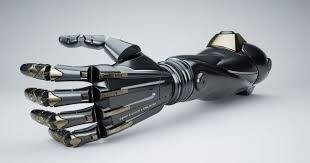
Bionic technology is no longer just a science-fiction concept. Today, bionic systems are actively improving human abilities, restoring lost functions, and reshaping industries such as healthcare, robotics, and engineering. From bionic arms to advanced neural implants, this field is transforming how humans interact with technology.
In this in-depth article, we’ll explore what bionic technology really means, how it works, where it is used today, and what the future holds for this revolutionary innovation.
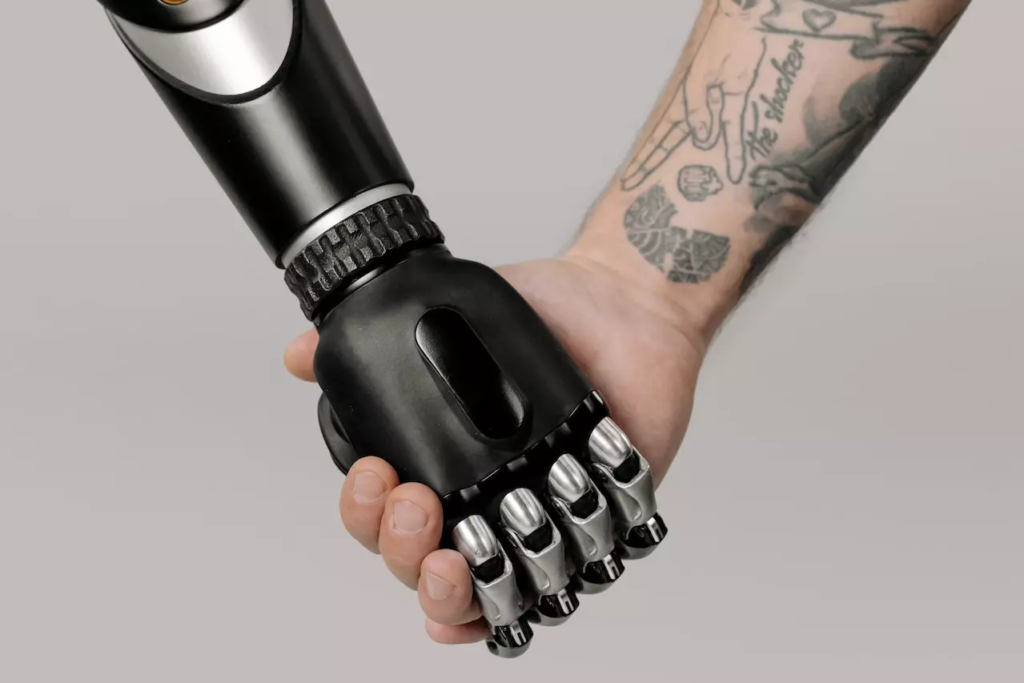
Bionic Meaning: What Does Bionic Actually Mean?
The word bionic comes from a combination of “biology” and “electronics.” In simple terms, bionic refers to technology that imitates, replaces, or enhances natural biological functions using artificial systems.
A bionic system typically:
- Integrates with the human body
- Mimics natural movement or senses
- Uses electronic or mechanical components
- Responds to signals from muscles or nerves
Unlike traditional machines, bionic technology is designed to work with biology rather than separately from it.
Bionc Technology: How Bionc Systems Work
Understanding how bionc systems work requires looking at the connection between the human body and machines.
Most bionic devices rely on three core components:
- Sensors – detect muscle signals, nerve impulses, or environmental data
- Processors – interpret signals and convert them into actions
- Actuators – create movement or feedback, such as gripping or walking
For example, a bionc arm can read electrical signals from muscles and translate them into smooth, natural hand movements.
Bionc Prosthetics: Restoring Human Abilities
One of the most impactful applications of bionc technology is prosthetics. Modern bionic prosthetics go far beyond basic artificial limbs.
Bionc Arms
Bionic arms allow users to:
- Grip objects with varying pressure
- Perform fine motor tasks
- Control movement through muscle signals
Bionc Legs
Bionic legs help users:
- Walk with natural motion
- Adjust speed automatically
- Maintain balance on uneven surfaces
Bionc Implants: Enhancing Internal Body Functions
Beyond external devices, bionc implants operate inside the human body to restore or enhance biological functions.
Common examples include:
- Cochlear implants for hearing
- Retinal implants for vision
- Cardiac pacemakers for heart rhythm
These bionc solutions directly interface with nerves or organs, proving that bionic technology is already deeply integrated into modern medicine.
Bionc Vision: How Bionc Eyes Are Helping the Blind
Bionc vision is one of the most exciting developments in this field. A bionc eye uses cameras and sensors to transmit visual data to the brain.
Although bionic vision does not fully restore sight yet, it can:
- Detect light and movement
- Help users identify shapes
- Improve navigation in daily life
As research progresses, bionc vision systems are expected to become more detailed and effective.
Bionc Hearing: Revolutionizing Sound Perception
Bionic hearing devices, especially cochlear implants, have transformed the lives of millions.
These bionc systems:
- Convert sound into electrical signals
- Stimulate the auditory nerve directly
- Bypass damaged parts of the ear
For individuals with severe hearing loss, bionc hearing technology offers a life-changing solution.
Bionc Robotics: When Machines Learn From Biology
Bionc robotics applies biological principles to robotic design. Instead of rigid mechanical movement, bionic robots move more like living organisms.
Features of bionc robots include:
- Flexible joints
- Energy-efficient movement
- Adaptive responses to environments
These robots are used in healthcare, manufacturing, and research, making them safer and more efficient.
Bionc Exoskeletons: Strength and Mobility Support
A bionc exoskeleton is a wearable robotic structure that supports or enhances body movement.
Exoskeletons are used for:
- Rehabilitation after spinal injuries
- Assisting workers in heavy lifting
- Helping paralyzed individuals walk
These bionc systems show how technology can extend physical strength without replacing the human body.
Bionc Technology in Medicine: A Healthcare Revolution
Healthcare is the industry most transformed by bionic innovation.
Doctors now use bionc tools to:
- Improve surgical precision
- Speed up patient recovery
- Reduce long-term disability
Bionc technology also plays a critical role in rehabilitation therapy, helping patients regain control and confidence.
Bionc Engineering: Combining Nature and Innovation
Bioc engineering studies how natural systems can inspire technological solutions.
Examples include:
- Artificial joints modeled after human anatomy
- Grip mechanisms inspired by animal movement
- Sensors designed like human skin
By learning from nature, bionc engineering creates smarter and more sustainable designs.
Bionc Technology and Artificial Intelligence
Artificial intelligence has significantly improved bionc systems. AI allows devices to learn from user behavior and adapt over time.
With AI integration, bionic devices can:
- Predict user intentions
- Adjust movements automatically
- Improve accuracy with continued use
This combination makes bionc technology more intuitive and personalized.
Bionc Ethics: Benefits vs Moral Concerns
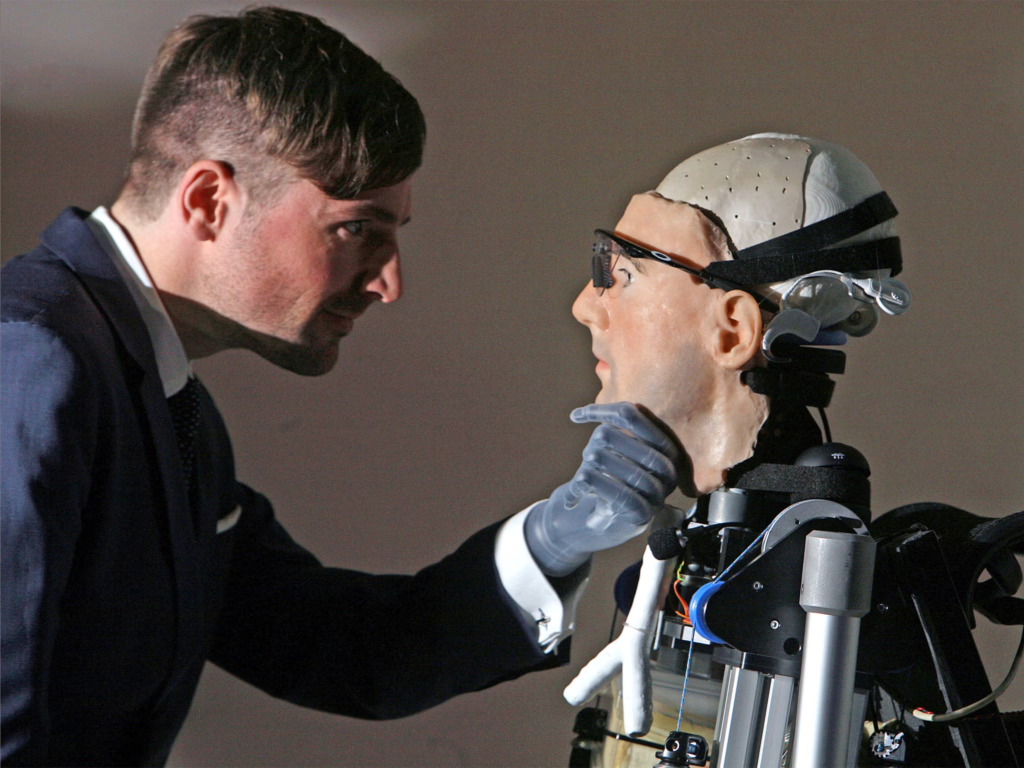
As bionc technology advances, ethical questions naturally arise.
Common concerns include:
- Accessibility and affordability
- Human enhancement beyond medical need
- Data privacy and neural interfaces
Balancing innovation with ethics is essential to ensure bioic technology benefits society fairly.
Bionc Future: What’s Next for Bionic Technology?
The future of bionc technology looks incredibly promising.
Expected advancements include:
- Direct brain-computer interfaces
- Fully sensory bionic limbs
- Regenerative bio-hybrid systems
Bionc Technology in Everyday Life
Bionc systems are slowly entering everyday life beyond medicine.
Examples include:
- Smart wearable health monitors
- Assistive devices for aging populations
- Advanced sports performance tools
As technology becomes more affordable, bionic solutions will become more common.
Bioni Research and Global Innovation
Countries around the world are investing heavily in bioni research.
Major focus areas include:
- Neural integration
- Long-term implant safety
- Human-machine interaction
This global effort is accelerating progress and expanding real-world applications.
Bioni vs Robotic: Understanding the Difference
Although often confused, bioni and robotic technologies are not the same.
- Bionc systems integrate with living organisms
- Robotics often operate independently
- Bionic devices rely on biological signals
This distinction helps clarify why bionc technology is uniquely human-centered.
Bioni Technology and Human Potential
Bionc innovation challenges traditional limits of the human body.
By restoring and enhancing abilities, bioni technology:
- Improves quality of life
- Promotes independence
- Redefines disability
It shows that technology, when used responsibly, can empower rather than replace humanity.
Bionc Final Thoughts: Why Bioni Technology Matters
Bionc technology represents one of the most meaningful intersections of science and humanity. From restoring movement to enhancing senses, bioni systems are reshaping lives across the globe.
As research continues and ethical frameworks evolve, bioni technology will likely become an essential part of future healthcare and human development. The journey of bionc innovation has only just begun—and its impact will be felt for generations.
