

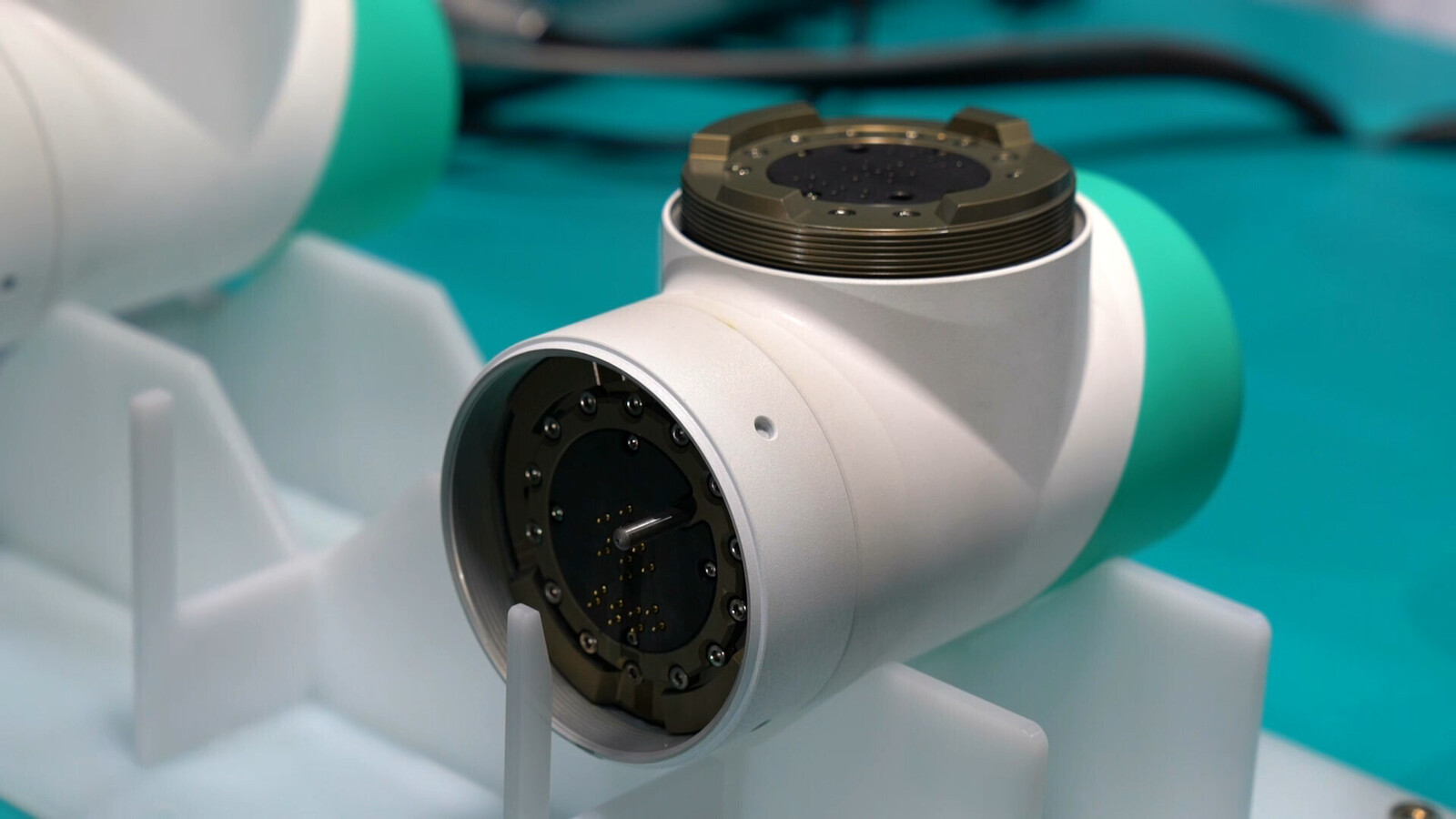
Robot joint module technology has become one of the most important drivers of progress in modern robotics. A robot joint module is the core mechanical and electromechanical unit that enables motion between two parts of a robot—similar to how human joints allow movement in arms and legs. Recent advancements in this field have significantly improved robot flexibility, precision, durability, and intelligence, enabling robots to operate in manufacturing, healthcare, logistics, exploration, and service industries.
Understanding Robot Joint Modules
A robot joint module typically integrates several components into a single compact system, including:
- Electric motor or actuator
- Gearbox or transmission system
- Sensors (position, torque, temperature)
- Controller electronics
- Structural housing
These modules are responsible for rotational or linear movement in robotic arms, legs, and mobile platforms. Traditional robot joints used to be bulky and externally assembled, but modern joint modules are increasingly integrated, compact, and intelligent.
Evolution of Robot Joint Technology
Earlier industrial robots relied on centralized motors connected through belts or mechanical linkages. This limited flexibility and increased maintenance complexity. Over time, the industry shifted toward modular joint systems that integrate actuation, sensing, and control in a single unit.
Today’s advanced robot joints are often referred to as “smart joints” because they can independently process data and respond in real time without relying heavily on a central controller.
Key Advancements in Robot Joint Modules
1. High-Torque Density Actuators
One of the biggest advancements is the development of high-torque density motors. These allow robots to generate more force while maintaining a compact size and low weight. This is particularly important for humanoid robots and collaborative robots (cobots) that must operate safely near humans.
Companies such as ABB Robotics and KUKA have integrated high-performance servo motors into robotic arms to improve precision and load handling.
2. Harmonic Drive and Precision Gear Systems
Modern joint modules often use harmonic drive gear systems or cycloidal gear mechanisms, which provide: robot joint module
- High reduction ratios in compact spaces
- Minimal backlash (improved accuracy)
- Smooth motion control
This advancement has dramatically improved the precision of robotic arms used in electronics manufacturing and surgical robotics.
3. Integrated Sensors and Feedback Systems
Today’s robot joints include embedded sensors that continuously monitor:
- Position (angle or displacement)
- Torque and force output
- Vibration levels
- Temperature conditions
This real-time feedback enables adaptive control systems that improve stability and prevent mechanical failure. For example, in collaborative robots, torque sensors ensure safe interaction with humans by detecting unexpected contact.
4. Smart and Distributed Control Systems
Earlier robotic systems relied on a central controller to manage all joints. Now, each joint module can contain its own microcontroller, enabling distributed intelligence.
This shift provides:
- Faster response times
- Reduced communication load
- Improved fault isolation
- Easier scalability of robotic systems
Companies like Boston Dynamics have leveraged distributed joint intelligence to create highly dynamic robots capable of complex movements such as running, jumping, and balancing on uneven terrain.
5. Lightweight Materials and Compact Design
Advancements in materials science have introduced:
- Carbon fiber composites
- Aluminum-magnesium alloys
- High-strength polymers
These materials reduce the weight of joint modules while maintaining strength. Lighter joints improve energy efficiency and allow robots to move more naturally, especially in humanoid designs.
6. Direct Drive and Frictionless Motion
Direct drive motors eliminate traditional gearboxes, allowing the motor to connect directly to the joint. This reduces mechanical complexity and backlash while improving smoothness.
Direct drive systems are especially useful in:
- Medical robotics
- Precision assembly
- Research and experimental robotics
Although they require more advanced motor control, they offer superior motion fidelity.
7. Energy Efficiency Improvements
Modern joint modules are designed to minimize energy consumption through:
- Regenerative braking systems
- Optimized motor control algorithms
- Low-friction bearings
- Adaptive power management
Energy efficiency is especially critical in mobile robots and humanoid systems where battery life is limited.
Applications of Advanced Joint Modules
Industrial Automation
Robotic arms with advanced joints are widely used in assembly lines for welding, painting, packaging, and material handling.
Humanoid Robots
Humanoid robots rely heavily on compact, high-performance joint modules to replicate human-like movement and balance.
Medical Robotics
Surgical robots require extremely precise and smooth joint motion for minimally invasive procedures.
Space and Exploration
Robotic systems used in space exploration demand high durability and autonomous joint intelligence due to communication delays and harsh environments.
Challenges in Robot Joint Development
Despite advancements, several challenges remain:
- Heat dissipation in compact motors
- Balancing power and weight
- High manufacturing costs
- Wear and long-term durability
- Complexity of control algorithms
Researchers are actively working on improving thermal management systems and developing more durable materials to extend joint lifespan.
Future Trends in Robot Joint Technology
The future of robot joint modules is moving toward even greater intelligence and integration. Key trends include:
- AI-driven adaptive joint control
- Soft robotics with flexible joints
- Fully sensorized “neural” robotic limbs
- Wireless power and communication within joints
- Bio-inspired designs mimicking human muscle structure
These innovations will enable robots to perform more delicate, adaptive, and human-like tasks across multiple industries.
Conclusion
Advancements in robot joint module technology are transforming robotics from rigid, industrial machines into intelligent, adaptable systems. With improvements in actuator design, sensor integration, control systems, and materials, modern robot joints are becoming more efficient, precise, and versatile. As research continues, these technologies will play a central role in shaping the next generation of robotics, from factory automation to humanoid assistants and beyond.
