

Introduction to Air Independent Propulsion
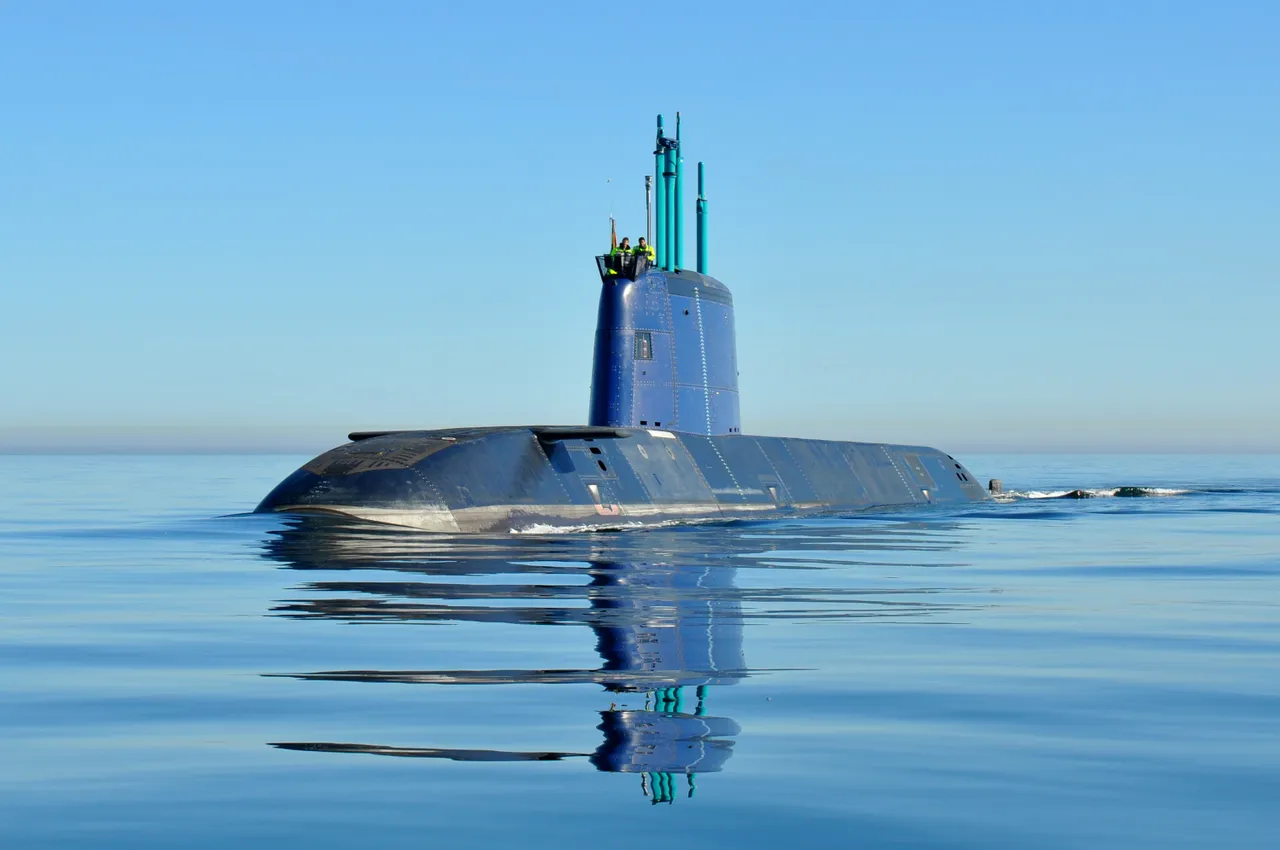
Modern naval warfare depends heavily on stealth, endurance, and technological superiority. One of the most revolutionary developments in submarine engineering is air independent propulsion (AIP). This technology allows submarines to operate underwater for extended periods without surfacing or using a snorkel to draw in atmospheric oxygen.
The concept of air independent propulsion has transformed how navies conduct surveillance, intelligence gathering, and underwater combat missions. Unlike traditional diesel-electric submarines that must surface frequently to recharge batteries, AIP-equipped submarines can remain submerged for weeks, dramatically improving stealth and survivability.
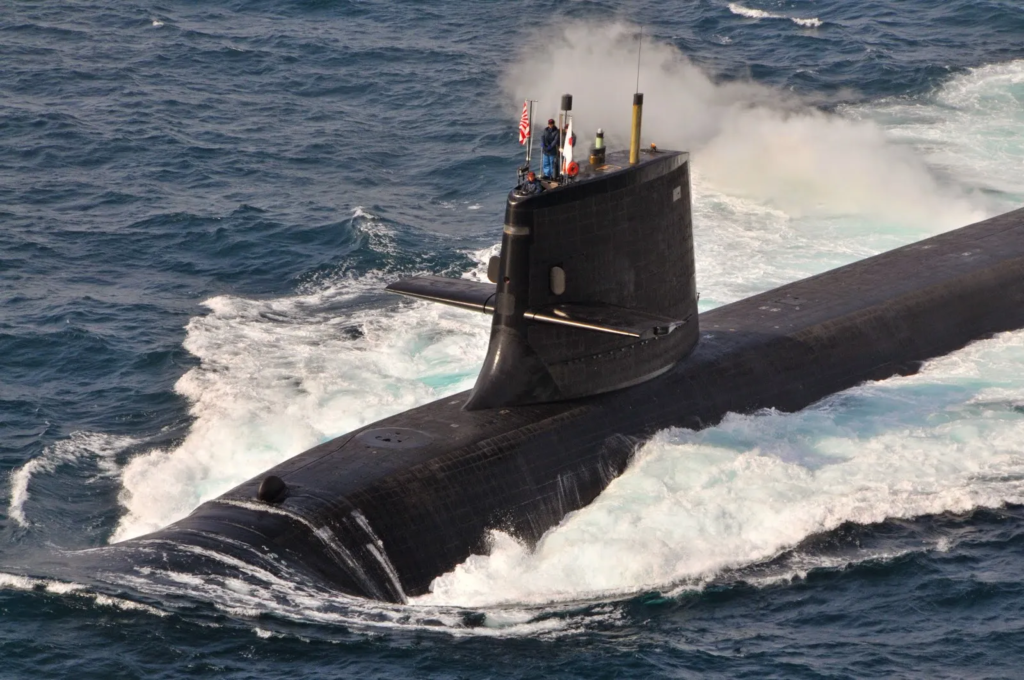
In this in-depth, SEO-optimized guide, we will explore what air independent propulsion is, how it works, its history, types, advantages, disadvantages, military significance, and future potential. The keyword is used naturally with low density to remain Rank Math friendly.
What Is Air Independent Propulsion?
Air independent propulsion refers to a set of submarine propulsion technologies that allow a vessel to operate underwater without access to atmospheric oxygen. These systems generate energy internally using stored oxygen or non-oxygen-dependent chemical reactions.
Unlike nuclear propulsion, air independent propulsion is designed for conventional submarines, offering a middle ground between traditional diesel-electric systems and expensive nuclear-powered vessels.
Why Air Independent Propulsion Matters in Modern Navies
The strategic value of air independent propulsion lies in its ability to:
- Enhance underwater endurance
- Reduce acoustic and radar signatures
- Improve tactical stealth
- Extend mission duration
- Strengthen coastal defense operations
With air independent propulsion, submarines can patrol critical waterways, monitor enemy movements, and conduct covert operations without revealing their position.
History and Evolution of Air Independent Propulsion
The roots of air independent propulsion trace back to World War II, when engineers experimented with closed-cycle diesel engines and hydrogen peroxide systems. However, early designs faced technical and safety challenges.
In the late 20th century, technological advancements in fuel cells, Stirling engines, and cryogenic oxygen storage revived interest in air independent propulsion. Countries such as Sweden, Germany, and Japan became pioneers in developing practical AIP systems.
How Air Independent Propulsion Works
The working principle of air independent propulsion varies by system type, but all designs share one common goal: to produce power underwater without external air intake.
Core Components
A typical air independent propulsion setup includes:
- Energy generation unit (fuel cell, engine, or turbine)
- Stored oxidizer (liquid oxygen or chemical compounds)
- Power conversion system
- Battery integration for hybrid operation
Types of Air Independent Propulsion Systems
Several AIP technologies are currently in use or under development. Each has unique advantages and limitations.
1. Stirling Engine Air Independent Propulsion
The Stirling-based air independent propulsion system uses a closed-cycle external combustion engine fueled by diesel and liquid oxygen.
Key Features:
- High reliability
- Low noise output
- Proven operational record
Used by: Swedish Gotland-class submarines.
2. Fuel Cell Air Independent Propulsion
Fuel cell air independent propulsion generates electricity through a chemical reaction between hydrogen and oxygen.
Key Features:
- Extremely quiet operation
- High efficiency
- Minimal thermal signature
Used by: German Type 212 and Type 214 submarines.
3. Closed-Cycle Diesel Air Independent Propulsion
This air independent propulsion variant modifies conventional diesel engines to operate using stored oxygen.
Key Features:
- Familiar technology base
- High power output
Challenges include safety risks and mechanical complexity.
4. MESMA Air-Independent Propulsion
The MESMA (Module d’Energie Sous-Marine Autonome) air-independent propulsion system is based on a steam turbine powered by ethanol and oxygen.
Key Features:
- High energy density
- Modular installation
Used by: French Scorpène-class submarines.
Advantages of Air-Independent Propulsion
The growing adoption of air-independent propulsion is driven by several key benefits:
1. Extended Submerged Endurance
Submarines equipped with air-independent propulsion can stay underwater for up to 2–4 weeks without surfacing.
2. Enhanced Stealth
By eliminating frequent snorkeling, air-independent propulsion reduces detection risk from radar and infrared sensors.
3. Lower Acoustic Signature
Most AIP systems operate quietly, making submarines harder to detect using sonar.
4. Cost Efficiency
Compared to nuclear submarines, air-independent propulsion offers a more affordable solution for smaller navies.
Disadvantages and Limitations of Air-Independent Propulsion
Despite its strengths, air-independent propulsion has some drawbacks.
1. Limited Power Output
AIP systems cannot match the sustained high-speed performance of nuclear propulsion.
2. Storage Constraints
Storing liquid oxygen and fuel limits operational flexibility.
3. Maintenance Complexity
AIP modules require specialized maintenance and trained personnel.
Air-Independent Propulsion vs Nuclear Propulsion
| Feature | Air Independent Propulsion | Nuclear Propulsion |
|---|---|---|
| Cost | Lower | Extremely high |
| Endurance | Weeks | Months |
| Stealth | Very high | High |
| Power Output | Moderate | Very high |
| Crew Size | Smaller | Larger |
Countries Using Air-Independent Propulsion Submarines
Several nations have adopted air-independent propulsion technology:
- Germany
- Sweden
- Japan
- South Korea
- India
- France
- China
Military Significance of Air-Independent Propulsion
The strategic value of air-independent propulsion extends beyond endurance.
Tactical Advantages
- Covert surveillance
- Anti-submarine warfare
- Intelligence gathering
- Sea denial operations
Future of Air-Independent Propulsion Technology
The future of air-independent propulsion looks promising as research focuses on:
- Advanced fuel cells
- Improved energy storage
- Safer oxidizer handling
- Hybrid propulsion systems
Next-generation air-independent propulsion designs aim to bridge the performance gap between conventional and nuclear submarines.
Civilian and Research Applications of Air-Independent Propulsion
While primarily military-focused, air-independent propulsion also shows potential in:
- Deep-sea research vessels
- Underwater drones
- Submersible tourism
Environmental Impact of Air-Independent Propulsion
Compared to traditional diesel engines, air-independent propulsion systems produce:
- Lower emissions
- Reduced fuel consumption
- Minimal ocean pollution
Fuel cell-based air-independent propulsion is particularly eco-friendly.
Safety Measures in Air-Independent Propulsion Systems
Safety is critical due to oxygen storage and chemical reactions.
Modern air-independent propulsion submarines include:
- Advanced fire suppression systems
- Pressure-resistant tanks
- Redundant safety valves
- Continuous monitoring sensors
Common Myths About Air-Independent Propulsion
Myth 1: AIP Makes Submarines Invisible
Reality: Air-independent propulsion improves stealth but does not make submarines undetectable.
Myth 2: AIP Replaces Nuclear Power
Reality: Air-independent propulsion complements nuclear propulsion but does not replace it.
FAQs About Air Independent Propulsion
Q1: What is air-independent propulsion?
It is a submarine technology that allows underwater operation without atmospheric oxygen.
Q2: How long can AIP submarines stay underwater?
Typically 2–4 weeks, depending on system type.
Q3: Is air-independent propulsion safe?
Yes, with modern safety systems and trained crews.
Q4: Which is the best AIP system?
Fuel cell-based air independent propulsion is considered the most advanced.
Final Thoughts on Air-Independent Propulsion
Air independent propulsion represents a critical advancement in submarine technology, offering a balance between stealth, endurance, and cost. As naval warfare continues to evolve, AIP systems will play an increasingly important role in shaping underwater defense strategies.
By enabling longer submerged operations and reducing detection risks, air-independent propulsion has become a cornerstone of modern conventional submarine design.
Bonus Insight
Many experts believe future submarines will combine air-independent propulsion with lithium-ion batteries for maximum efficiency.
