

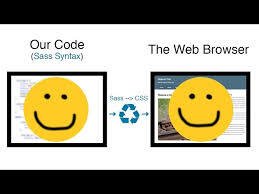
Modern web development has evolved rapidly, introducing new tools that improve productivity, design consistency, and workflow efficiency. One such concept gaining attention among developers and designers is the sass browser. While Sass itself is a well-known CSS preprocessor, the idea of a browser-friendly workflow for Sass has become increasingly important in today’s front-end development environment.
This detailed guide explores what a sass browser means, how it works, its benefits, practical use cases, and best practices. The article is designed for beginners, intermediate developers, and professionals looking to understand Sass-based workflows in a browser-oriented development setup.
Understanding Sass and the Role of Sass Browser
Before diving deeper into sass browser, it is essential to understand Sass. Sass (Syntactically Awesome Style Sheets) is a CSS preprocessor that extends standard CSS with powerful features such as variables, nesting, mixins, functions, and partials.
A sass browser workflow refers to how Sass files are compiled, previewed, and managed in browser-based development environments. Instead of writing plain CSS and refreshing endlessly, developers rely on tools that bridge Sass and the browser efficiently.
Sass Browser Explained in Simple Terms
The term sass browser generally describes the tools, extensions, and workflows that allow developers to:
- Write Sass code
- Compile it into CSS
- Instantly preview results in the browser
This workflow improves development speed and reduces repetitive tasks. Although browsers do not directly read Sass, modern tools make Sass integration seamless for browser-based testing.
Why Sass Browser Workflows Are Important
Using a sass browser setup brings several advantages compared to traditional CSS development.
Key Benefits
- Faster styling workflow
- Cleaner and more organized code
- Real-time browser updates
- Better scalability for large projects
These benefits make Sass-based browser workflows a preferred choice for modern web development teams.
How Sass Browser Works Behind the Scenes
A sass browser workflow typically involves three main components:
- Sass source files written by the developer
- A compiler or build tool that converts Sass into CSS
- A browser preview system that reloads styles instantly
Tools like task runners, build systems, and live-reload servers work together to make this process smooth.
Sass Browser and Live Preview Development
One of the biggest advantages of a sass browser setup is live preview. With live reload, any change made in a Sass file is instantly reflected in the browser without manual refreshing.
This real-time feedback helps developers:
- Spot layout issues quickly
- Experiment with colors and spacing
- Improve design accuracy
Live preview saves time and improves overall efficiency.
Sass Browser Tools Commonly Used by Developers
Although Sass itself is a language, the sass browser experience depends heavily on supporting tools.
Popular Tool Categories
- Build tools and compilers
- Code editors with Sass support
- Browser live-reload systems
- Local development servers
These tools together create a smooth development environment where Sass and browser testing work hand in hand.
Sass Browser Workflow for Beginners
For beginners, a sass browser workflow may sound complex, but it becomes simple with practice.
Beginner-Friendly Steps
- Install a Sass compiler
- Write Sass files using variables and nesting
- Compile Sass into CSS
- Open the project in a browser
- Enable live reload if available
This approach helps new developers transition from basic CSS to more advanced styling methods.
Sass Browser in Professional Web Development
In professional environments, sass browser workflows are often part of larger development pipelines. Teams rely on Sass to maintain consistent design systems across multiple pages or applications.
Professional benefits include:
- Shared variables for colors and fonts
- Reusable mixins for layouts
- Easier collaboration among team members
Performance Considerations in Sass Browser Usage
Although Sass improves development, performance still matters in the browser. A well-managed sass browser workflow ensures that compiled CSS is optimized.
Best Practices
- Minify compiled CSS
- Remove unused styles
- Avoid overly deep nesting
Following these practices ensures fast page loading and better user experience.
Sass Browser and Responsive Design
Responsive design is easier to manage with a sass browser workflow. Sass allows developers to define breakpoints using variables and mixins.
Responsive Advantages
- Consistent breakpoints
- Cleaner media queries
- Easier layout adjustments
These features simplify responsive styling across different devices.
Sass Browser for UI and Design Systems
Design systems rely heavily on consistency. A sass browser approach helps maintain uniform styles across components.
Use Cases
- Button libraries
- Typography systems
- Grid frameworks
By managing styles centrally, teams reduce duplication and errors.
Sass Browser and Cross-Browser Compatibility
Cross-browser compatibility remains an important concern. While Sass does not directly handle browser differences, a sass_browser workflow supports compatibility through structured CSS output.
Developers often combine Sass with post-processing tools to ensure styles work across modern browsers.
Common Mistakes in Sass Browser Workflows
Even experienced developers can make mistakes when working with a sass_browser setup.
Common Issues
- Over-nesting selectors
- Excessive use of mixins
- Poor file organization
Avoiding these mistakes keeps projects maintainable and efficient.
Proper file organization is critical for a smooth sass_browser experience.
Recommended Structure
- Base styles
- Components
- Layouts
- Utilities
Using partial files improves readability and simplifies long-term maintenance.
Sass Browser and Collaboration in Teams
Team collaboration improves significantly with a structured sass_browser workflow. Shared variables and mixins ensure consistent design decisions across contributors.
This reduces conflicts and improves code readability for everyone involved.
Sass_Browser in Modern Front-End Frameworks
Many modern front-end frameworks support Sass by default. A sass_browser workflow integrates easily with these systems.
Framework Benefits
- Component-based styling
- Scoped styles
- Faster development cycles
This makes Sass a natural choice for scalable applications.
Debugging Styles in a Sass_Browser Environment
Debugging styles can be challenging, but a sass_browser workflow simplifies the process using source maps.
Debugging Advantages
- View original Sass files in browser dev tools
- Trace styling issues accurately
- Faster error resolution
Source maps improve transparency between Sass and CSS.
Sass_Browser Security and Best Practices
While Sass itself does not introduce security risks, a sass_browser workflow should follow standard development security practices.
Security Tips
- Keep dependencies updated
- Avoid untrusted build scripts
- Use secure local servers
These measures ensure a safe development environment.
Learning Curve of Sass_Browser Workflows
The learning curve for a sass setup is moderate. Developers familiar with CSS can learn Sass quickly and benefit from browser-based workflows.
With consistent practice, productivity improves significantly over time.
Future of Sass_Browser Workflows
As web development evolves, sass_browser workflows continue to improve. Better tooling, faster build systems, and enhanced browser support are shaping the future.
Developers can expect:
- Faster compilation
- Improved debugging tools
- Better integration with modern platforms
Frequently Asked Questions About Sass_Browser
What is a sass_browser?
It refers to tools and workflows that allow Sass code to be compiled and previewed efficiently in the browser.
Can browsers read Sass directly?
No, browsers only read CSS. Sass must be compiled first.
Is Sass suitable for beginners?
Yes, especially when combined with a simple browser-based workflow.
Final Thoughts on Sass_Browser
A sass_browser workflow plays a crucial role in modern web development. By combining the power of Sass with efficient browser preview systems, developers can write cleaner code, work faster, and maintain scalable design systems.
