

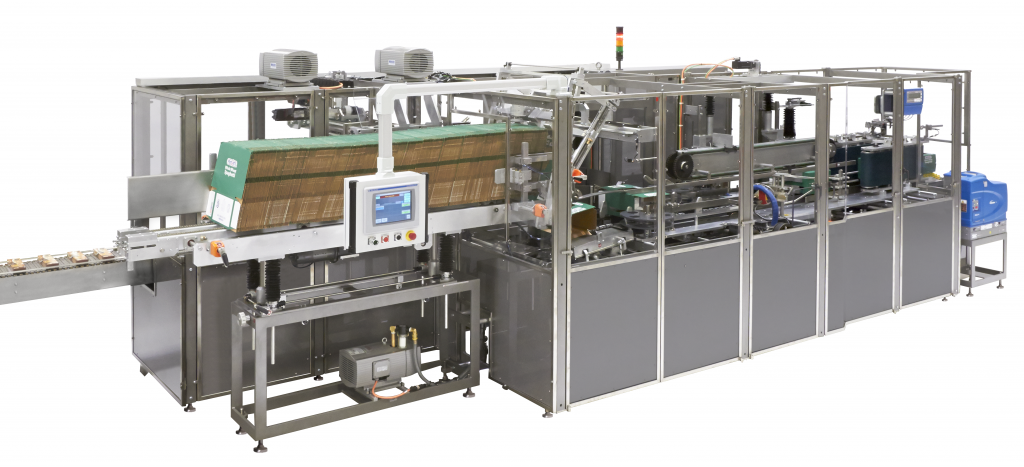
Imagine a busy factory where workers struggle to pack hundreds of boxes every single hour. Hands get tired, mistakes happen, and items sometimes break. This is exactly where a case packer comes in to save the day. A case packer is a smart, fast machine that takes products and places them neatly into cardboard boxes. It works without stopping, making sure everything is perfectly packed every single time.
Using an automatic case packer changes the way a company handles its shipping. It replaces slow manual labor with fast, reliable technology. Businesses that switch to a automatic case packer notice a massive jump in their daily output. It takes the stress away from the human workers and lets the machines do the heavy lifting. If you want your business to grow, this machine is a must-face tool for your factory floor.
The History of Packaging Automation and the Evolution of the Case Packer
Years ago, every single box was taped and filled by hand. It was a very slow process that required a lot of workers. As factories grew bigger, engineers realized they needed a faster way to prepare goods for shipping. This need led to the invention of the very first basic case packer machines decades ago. These early models were large, loud, and could only handle one specific size of box.
Over time, technology improved drastically. Today, a modern case packer uses smart sensors, advanced computers, and incredibly fast robotic arms. It can handle different shapes, sizes, and weights of products with ease. This evolution has made the case packer an essential piece of equipment for factories all over the world. It shows how far the manufacturing industry has come from the old days of manual labor.
Meet the Expert Behind This Ultimate Case Packer Guide
To give you the best advice, we talked to a top engineer in the packaging industry. Her name is Sarah Jenkins, and she has spent fifteen years designing automated machinery. Sarah has helped over one hundred factories install the perfect case packer for their unique products. She knows every single gear, sensor, and software program that makes these machines run smoothly.
“A good case packer should be the heartbeat of your packaging line. If it stops, everything stops. That is why choosing the right model is so important for long-term success.” — Sarah Jenkins, Packaging Engineer
Sarah’s deep experience ensures that the information in this guide is accurate, trustworthy, and practical. She believes that understanding your machinery helps you get the best return on your investment. Her insights will guide us through the technical details in a very simple way.
Quick Reference Biography of Our Packaging Machinery Expert
Expert Profile Details
| Full Name | Sarah Jenkins |
| Profession | Senior Packaging Automation Engineer |
| Experience | 15+ Years in Industrial Machinery |
| Core Expertise | Case packer integration, robotics, assembly line design |
| Industry Focus | Food, beverage, and consumer goods packaging |
| Key Achievement | Designed a custom high-speed case packer used by global brands |
| Education | Bachelor of Science in Mechanical Engineering |
How a Top-Load Case Packer Handles Sensitive Products
A top-load case packer is one of the most common types you will see in factories. This machine works by grabbing products from above using vacuum cups or special mechanical fingers. It gently lifts the items off a conveyor belt and lowers them down into an open box. This method is fantastic for products that need careful handling so they do not spill.
You will often see a top-load case packer inside food factories. It is perfect for bags of potato chips, jars of sauce, or tubs of yogurt. Because it lowers items gently, the risk of breaking a product is very low. It keeps your goods safe while moving at a very impressive speed
The Power of Side-Load Case Packer Systems for Rigid Goods
Another popular choice is the side-load case packer. Instead of dropping items from the top, this machine pushes products into the side of a horizontal box. The box stays open on its side, and a mechanical arm pushes the neat row of products right inside. Once the items are inside, the machine folds the flaps and seals the box tight.
A side-load case packer is ideal for rigid items like cereal boxes, tissues, or canned goods. These products can withstand a gentle push without losing their shape. This system is often very compact, which means it takes up less space on your factory floor. It is a fast and efficient way to box up sturdy goods.
Understanding Bottom-Load Case Packer Machines for Heavy Items
When you have heavy or very fragile items, a bottom-load case packer is the best tool for the job. This machine works in a unique way by forming a sleeve of cardboard around the product. Instead of dropping the item, the machine lifts the product up and builds the box around it. This prevents any dropping or sliding, which keeps heavy items totally secure.
Heavy bottles of juice or large electronic items often use a bottom-load case packer. It ensures that the weight of the product does not cause the box to break during the packing process. It is the safest choice for big, bulky goods that require extra care.
Key Benefits of Adding a Case Packer to Your Production Line
Investing in a case packer brings a long list of benefits to your business. The most obvious benefit is speed. A machine can pack boxes much faster than any human ever could. This means you can ship out more products every single day and make more money.
- Higher Speed: Packs more boxes per minute than manual packing.
- Better Consistency: Every box is packed exactly the same way every time.
- Less Waste: Reduces accidental damage to products and cardboard boxes.
- Lower Costs: Saves money on labor and reduces workplace injuries from heavy lifting.
Another huge benefit is safety. Repetitive lifting can hurt a worker’s back and hands. By letting a case packer do the hard work, you keep your human employees safe from injury. They can focus on easier tasks, like checking product quality.
How to Choose the Perfect Case Packer for Your Specific Factory
Choosing the right case packer can feel a bit overwhelming because there are so many options. The first thing you need to think about is your product. Is it heavy, light, fragile, or sturdy? The answer to this question will tell you if you need a top-load, side-load, or bottom-load machine.
You also need to measure the available space in your factory. Some machines are very long, while others are compact. Make sure to talk with a trusted manufacturer to find a case packer that fits your room and budget. Planning ahead will save you from making a costly mistake.
Common Industries that Rely on a Case Packer Every Single Day
You might be surprised by how many industries use a case packer to ship their goods. The food and beverage industry is the largest user of these automated machines. From soda cans to frozen pizzas, almost everything you eat was packed by a machine. It keeps the food clean and moves it quickly to grocery stores.
The medicine and cosmetic industries also rely heavily on a automatic case packer. Medicine bottles and makeup tubes need to be packed precisely to avoid leaks. Using a machine ensures that the right number of items goes into every single box, preventing shipping errors.
Maintenance Tips to Keep Your Case Packer Running Smoothly
Like a car, a case packer needs regular care to stay in tip-top shape. You should clean the machine daily to remove dust, dirt, or leftover packaging materials. A clean machine experiences fewer jams and runs much faster. It also helps you spot any loose parts before they cause a breakdown.
Lubrication is another vital step in keeping your case packer working perfectly. Make sure to grease the moving joints according to the instruction manual. If you take good care of your machine, it will last for many years and pack millions of boxes for your business.
Frequently Asked Questions About Case Packer Technology
What is the average speed of a modern case packer?
The speed depends on the model and your product type. A standard case packer can usually pack between fifteen and thirty cases every minute. High-speed robotic models can go even faster, handling up to sixty cases per minute.
Can a single case packer handle different sizes of boxes?
Yes, many modern machines offer quick-change features. This allows the operator to adjust the case packer guides for a new box size in just a few minutes. Always check with the manufacturer to see how flexible a specific model is.
Is it difficult for regular factory workers to operate a case packer?
Not at all. Most machines come with a simple touchscreen control panel. Workers can learn to start, stop, and adjust the case packer with just a few hours of basic training.
How much space does a case packer take up on the floor?
The size varies greatly by design. A side-load case packer is often quite compact and fits in small spaces. Top-load robotic systems usually require a bit more room for the safety guards and conveyor belts.
Does a case packer seal the boxes as well?
Many models include a built-in sealer that uses glue or heavy-duty tape. This means the case packer shapes the box, fills it with product, and seals it completely before sending it to the shipping dock.
What happens if a product gets jammed inside the machine?
Modern machines have smart sensors that detect a jam instantly. The case packer will stop running automatically and flash a warning light to alert the worker. This prevents any damage to the product or the machine.
Conclusion: Take Your Business to the Next Level with Automation
Bringing a case packer into your factory is a smart move that pays off quickly. It speeds up your packing line, protects your workers, and ensures your products look great when they arrive at stores. Automation is the best way to stay ahead of your competition in today’s fast-moving world.
If you are ready to grow your business, now is the perfect time to look into buying a case packer. Talk to a packaging expert today to find the ideal machine for your production line. Your team, your customers, and your bank account will thank you for making the upgrade.
