

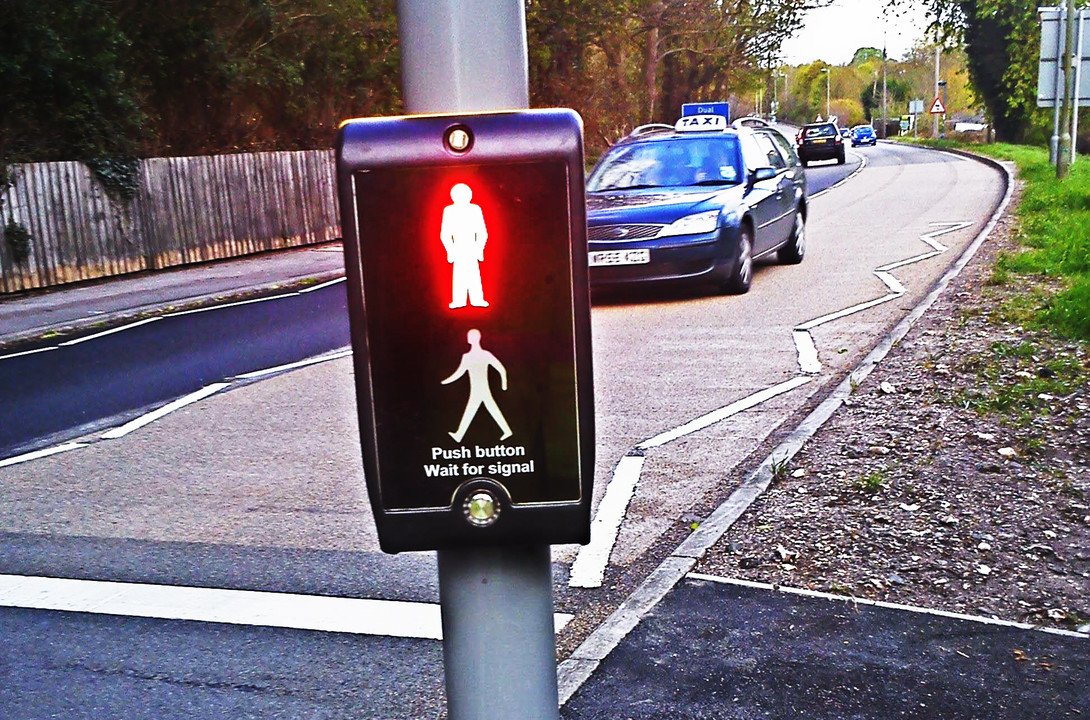
Have you ever stood at a busy street corner waiting to cross? You probably looked for a small metal box with a round button. This is the pedestrian crossing button. It is a simple tool designed to help people walk across roads safely. Without these buttons, walking in a big city would be very scary and dangerous. Drivers would just keep going, and walkers would have to wait forever.
The main job of a pedestrian crossing button is to tell the traffic system that someone is waiting. When you push it, you send a signal to a computer. This computer manages the lights for the cars and the walkers. It helps balance the flow of traffic so everyone gets a fair turn. It is all about sharing the road and making sure nobody gets hurt.
Understanding how a pedestrian crossing button works can change how you view your daily walk. It is not just a random piece of metal on a pole. It is a smart piece of technology that connects you directly to the city’s traffic grid. Let us dive deeper into the world of crosswalks to see how these cool buttons keep our neighborhoods safe every day.
The History and Inventors of the Pedestrian Crossing Button
The story of the pedestrian crossing button started a long time ago. Before cars, people just walked across the street whenever they wanted. But as cars became faster and more popular, streets became dangerous. Cities needed a way to protect people on foot. This led to the creation of the first traffic signals and walking helpers.
The very first pedestrian crossing button systems appeared in the 1920s and 1930s. Engineers in the United States and Great Britain wanted to give power back to the walkers. They created a mechanical switch that people could push to request a safe walking light. Over the decades, these simple switches grew into the modern pedestrian crossing button we see on almost every street corner today.
Many smart inventors worked hard to improve the pedestrian crossing button over the years. They added better wiring, stronger metals, and clearer signs. Today, these buttons are built to survive heavy rain, freezing snow, and thousands of pushes every single day. They are true wonders of modern city engineering.
Biography of Traffic Control Concepts and Key Inventors
| Developer / Era | Major Contribution to Pedestrian Safety | Key Feature Introduced | Impact on Modern Cities |
| Early 1920s Engineers | First traffic control signals for crowded streets | Manual hand switches for police officers | Stopped cars to let groups of walkers cross safely |
| 1930s Traffic Pioneers | First automated pedestrian crossing button systems | Pressure-sensitive pads and early wall buttons | Allowed walkers to request a green light on demand |
| Late 20th Century Designers | Accessible pedestrian signals with sounds and vibration | Audio beeps and shaking arrows underneath the box | Helped blind and visually impaired people cross safely |
| Modern Smart City Teams | Automated sensors and touchless crosswalk buttons | Infrared cameras and wave-to-activate panels | Reduced germs and adjusted crossing times automatically |
How Does a Pedestrian Crossing Button Actually Work?
It feels like magic when you press a pedestrian crossing button and the traffic stops. But it is actually just simple computer science. Inside the metal box, the pedestrian crossing button has a small electrical switch. When your finger pushes the button, it completes an electrical circuit. This sends a quick message down a wire straight into a large metal traffic control box nearby.
This control box holds the brain of the intersection. When it gets the message from the pedestrian crossing button, it reviews the current traffic plan. It cannot always stop the cars instantly because that would cause crashes. Instead, it waits for a safe moment. Then, it turns the car lights yellow and red, and gives you the walking sign.
In some quiet neighborhoods, pressing the pedestrian crossing button works almost right away. In busy downtown areas, the button just reminds the computer to include the walking turn during the next traffic cycle. Either way, pushing the pedestrian crossing button guarantees that your turn to cross the street is on the way.
Do Pedestrian Crossing Buttons Really Work or Are They Placebos?
You might have heard a rumor that the pedestrian crossing button does absolutely nothing. Some people call them placebo buttons. A placebo is something that makes you feel better but does not actually change anything. It is true that in a few massive cities, some buttons are turned off during the busiest rush hours. This happens because the traffic lights are already set on a perfect timer.
However, in most places, the pedestrian crossing button is fully active and very important. If you do not press the pedestrian crossing button at these intersections, the walking sign will never turn on. The computer will assume no one is waiting, and it will keep the lights green for the cars as long as possible.
To test this, you can watch a quiet intersection late at night. If you do not touch the pedestrian crossing button, the light for the cars stays green forever. But the moment you press the pedestrian crossing button, the system starts changing the lights for you. So, do not believe the rumors! Always press the button when you want to cross.
Different Types of Pedestrian Crossing Buttons Around the World
Not every pedestrian crossing button looks the same. Depending on where you travel, you will see many different designs. In the United States, the standard pedestrian crossing button is a sturdy metal box with a big round metal button. It usually has a sign above it showing a picture of a walking person and an arrow pointing toward the crosswalk.
If you travel to Europe, you might find a completely different pedestrian crossing button. In places like Germany or the United Kingdom, the buttons are often sleek, bright yellow boxes. Some of them do not even have a moving button. Instead, they use a touch sensor. You just place your hand near the sensor, and it registers your request instantly.
In Australia and New Zealand, the pedestrian crossing button makes a loud, steady thumping sound while you wait. This sound helps everyone find the button easily. When it is safe to cross, the sound changes to a very fast buzzing noise. It is amazing to see how different countries solve the same safety problem in unique ways.
How Accessible Buttons Help Blind and Visually Impaired Walkers
A great pedestrian crossing button does not just help people who can see well. It must help everyone in the community. This is why modern engineers created accessible pedestrian signals. These special systems add extra features to the standard pedestrian crossing button to help blind and visually impaired walkers navigate the streets safely.
If you look closely at the bottom of a modern pedestrian crossing button box, you will often find a small raised arrow. This arrow points in the exact direction of the crosswalk. When the walking sign turns green, this arrow starts to vibrate. A person who cannot see can keep their hand on the arrow and feel exactly when it is safe to walk.
These advanced pedestrian crossing button stations also use sounds. They might make a soft chirping sound or a clear beeping noise when the walk signal is active. Some high-tech buttons even speak out loud. They will say the name of the street you are crossing so you always know exactly where you are going.
The Secret Features Hidden Inside Crosswalk Buttons
Most people think a pedestrian crossing button only has one job. But many of them have secret features that most walkers never notice. For example, did you know that holding down some buttons changes how they work? In certain cities, if you press and hold the pedestrian crossing button for three seconds, it activates an extended crossing mode.
This hidden feature is wonderful for elderly people or individuals who walk slowly. It tells the traffic computer to keep the walking sign green for a few extra seconds. This gives everyone plenty of time to reach the other side of the road safely without feeling rushed by oncoming cars.
Another cool secret is the locator tone. Many pedestrian crossing button boxes emit a soft click or beep every one or two seconds. This quiet sound is designed to help people find the button in the dark or during a heavy rainstorm. Next time you wait at a street corner, listen closely to see what secrets your local button is sharing.
Why You Should Never Abuse or Abuse the Crosswalk Button
We have all seen someone stand at a street corner and hit the pedestrian crossing button twenty times in a row. They think pressing it faster will make the light change quicker. But that is not how a pedestrian crossing button works. The computer only needs to receive the signal one single time. Pressing it over and over will not speed up the system at all.
In fact, hitting the pedestrian crossing button too hard can break the delicate switch inside. If the button breaks, it stops working completely. This puts every future walker in danger because they will not be able to signal the traffic light. It can take days for city workers to come out and fix a broken button.
Treat the pedestrian crossing button with respect. Press it firmly once, make sure you feel or hear the click, and then wait patiently. Being kind to city property keeps the system working smoothly for everyone in your neighborhood.
The Future of the Pedestrian Crossing Button: Smart and Touchless
Technology is changing fast, and the humble pedestrian crossing button is changing too. In the future, you might never have to touch a dirty metal button again. Many cities are now testing touchless pedestrian crossing button designs. These systems use smart motion sensors that look like little cameras.
With a touchless pedestrian crossing button, you just wave your hand in front of the box. The sensor detects your movement and logs your request to cross the street. This is fantastic for health because it stops the spread of germs and viruses. It is also great for people who have their hands full with groceries or a baby stroller.
Other cities are testing completely automatic systems. These use smart cameras overhead to watch the sidewalk. If a person stands near the curb for more than a few seconds, the computer automatically triggers the crosswalk light. The traditional pedestrian crossing button might disappear one day, replaced by invisible smart technology.
Safety Tips for Using a Pedestrian Crossing Button Every Day
Using a pedestrian crossing button is easy, but you still need to practice good street safety habits. Just because you pressed the button does not mean it is instantly safe to step off the curb. Always wait until the official walking symbol appears on the screen across the street. Never cross when the red hand is still flashing.
Even when the walking light is bright green, you must look both ways before you step into the street. Sometimes drivers are distracted or do not see the red light. Look left, right, and left again to ensure every car has come to a complete stop. Make eye contact with drivers if you can, so you know they see you.
Finally, keep your eyes open and your ears clear while using the crosswalk. Put your phone away and turn down your headphones for just a few seconds. Using the pedestrian crossing button is your first line of defense, but staying alert is what truly keeps you safe on your journey.
Frequently Asked Questions About Crosswalk Buttons
Does pressing the pedestrian crossing button multiple times make the light change faster?
No, pressing the pedestrian crossing button multiple times does not make the light change any faster. The traffic computer only registers the first push. All the extra presses are ignored by the system, so one firm push is all you need.
Why do some pedestrian crossing buttons make a constant ticking noise?
The ticking or chirping noise is a locator tone. It is designed to help people who are blind or have low vision find the pedestrian crossing button box easily. The sound guides them to the button so they can cross the street safely.
Are there pedestrian crossing buttons that do not actually do anything?
Yes, in some huge downtown areas like New York City, some buttons are deactivated during busy hours because the lights run on a strict computer timer. However, in most towns and suburbs, the pedestrian crossing button is vital and must be pushed.
What should I do if a pedestrian crossing button appears to be broken?
If a pedestrian crossing button is broken, do not try to cross a busy street blindly. Wait for a gap in traffic or walk to the next safe intersection. You can report the broken button to your local city hall or public works department so they can fix it.
Can a pedestrian crossing button give you extra time to cross the street?
Yes, some modern pedestrian crossing button systems give you extra walking time if you hold the button down for a few seconds. This feature is designed to help seniors, parents with strollers, or anyone who needs a little more time to walk across.
How do touchless pedestrian crossing buttons know that I am waiting?
Touchless pedestrian crossing buttons use infrared sensors or small laser cameras. When you wave your hand close to the box, the sensor detects the change in light or heat and automatically sends the signal to the traffic controller.
