

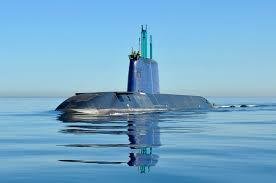
Modern naval warfare and underwater exploration rely heavily on advanced technologies that allow submarines to remain hidden and operational for long periods. One of the most important innovations in submarine engineering is Air Independent Propulsion. This technology has transformed the capabilities of conventional submarines by allowing them to operate underwater for extended durations without surfacing for oxygen.
In this detailed guide, we will explore Air Independent Propulsion, how it works, why it is important for modern submarines, the different types of AIP systems, and how it is shaping the future of underwater naval operations. This article is fully SEO optimized and designed to provide a clear understanding of this advanced technology.
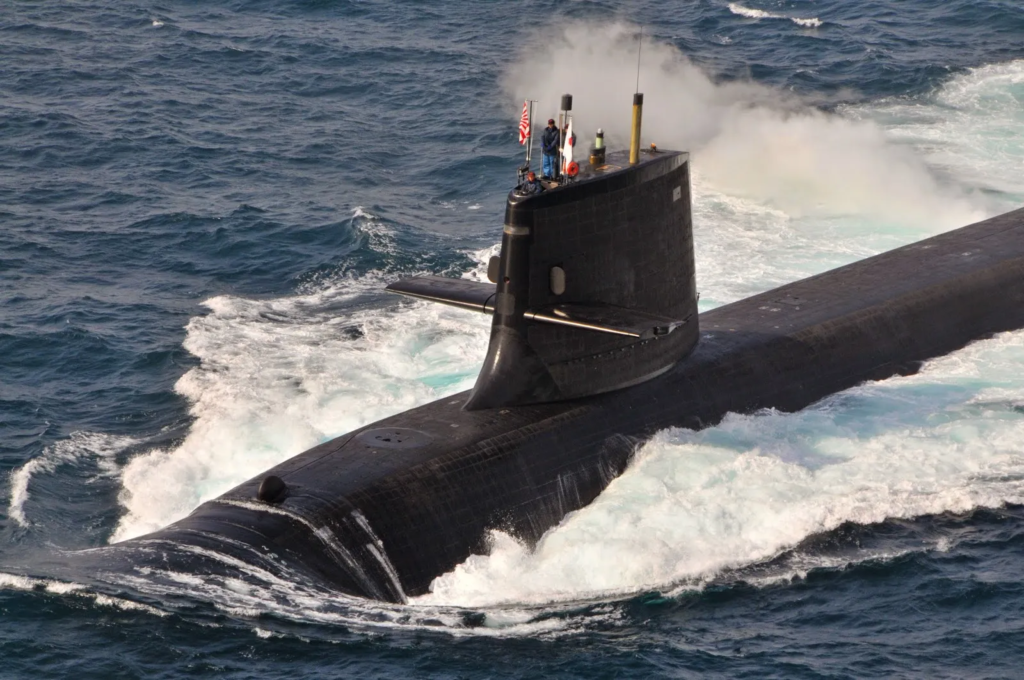
What Is Air Independent Propulsion?
Air Independent Propulsion is a technology used in non-nuclear submarines that allows them to operate underwater without needing atmospheric oxygen for their engines. Traditional diesel-electric submarines must surface or use a snorkel to access oxygen for combustion engines. However, with Air Independent Propulsion, submarines can remain submerged for much longer periods.
The primary goal of Air Independent Propulsion is to improve stealth and endurance. Since submarines do not need to surface frequently, they are less likely to be detected by enemy radar or surveillance systems.
This technology is particularly useful for navies that operate conventional submarines instead of nuclear-powered vessels.
Why Air Independent Propulsion Is Important
The development of Air Independent Propulsion has significantly enhanced the operational capabilities of conventional submarines.
Increased Underwater Endurance
With Air Independent Propulsion, submarines can stay submerged for several weeks rather than a few days.
Improved Stealth
Because submarines do not need to surface often, they become harder to detect.
Reduced Vulnerability
Surfacing exposes submarines to enemy detection. Air Independent Propulsion minimizes this risk.
Cost-Effective Alternative to Nuclear Power
Nuclear submarines offer long endurance but are extremely expensive. Air Independent Propulsion provides many benefits at a lower cost.
These advantages have made AIP technology highly attractive to many naval forces around the world.
How Air Independent Propulsion Works
The core concept behind Air Independent Propulsion is providing power to submarine systems without relying on atmospheric oxygen.
In traditional diesel-electric submarines, diesel engines require oxygen to generate power and charge batteries. When submerged, submarines rely on battery power, which has limited endurance.
Air Independent Propulsion systems solve this limitation by using alternative methods to generate energy underwater.
These systems may include:
- Fuel cells
- Closed-cycle diesel engines
- Stirling engines
- Hydrogen-based energy systems
Each method allows submarines to generate electricity without accessing outside air.
Types of Air Independent Propulsion Systems
Several different technologies fall under the umbrella of Air Independent Propulsion. Each has its own advantages and engineering design.
Stirling Engine Air Independent Propulsion
The Stirling engine is one of the earliest AIP technologies used in submarines.
In this system:
- Liquid oxygen and diesel fuel are used
- Heat generated from combustion powers the engine
- The engine produces electricity for submarine systems
Countries such as Sweden have successfully used Stirling-based Air Independent Propulsion systems in their submarines.
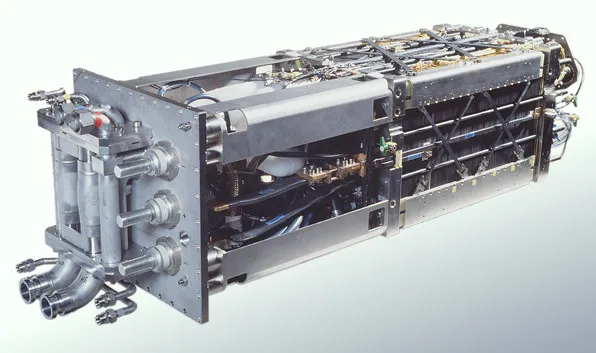
Fuel Cell Air Independent Propulsion
Fuel cell technology is one of the most advanced forms of Air Independent Propulsion.
Fuel cells generate electricity through chemical reactions between hydrogen and oxygen. The process produces electricity, water, and heat.
Benefits include:
- Quiet operation
- High efficiency
- Low vibration
Germany has been a leader in fuel cell Air Independent Propulsion technology.
Closed-Cycle Diesel Engines
Closed-cycle diesel engines allow submarines to operate diesel engines underwater using stored oxygen.
The system works by recycling exhaust gases and combining them with oxygen for combustion.
Although effective, this type of Air Independent Propulsion is less common today.
Advantages of Air Independent Propulsion in Modern Submarines
The introduction of Air Independent Propulsion has significantly improved the performance of conventional submarines.
Longer Submerged Missions
Submarines equipped with Air Independent Propulsion can remain underwater for weeks without surfacing.
Enhanced Tactical Flexibility
Naval forces can conduct longer surveillance and reconnaissance missions.
Quieter Operations
Many Air Independent Propulsion systems produce less noise than diesel engines, improving stealth capabilities.
Reduced Fuel Consumption
Advanced AIP systems can operate more efficiently than traditional propulsion methods.
These advantages make Air Independent Propulsion a valuable technology for modern naval fleets.
Countries Using Air Independent Propulsion Technology
Many nations have adopted Air Independnt Propulsion systems in their submarine fleets.
Germany
Germany’s Type 212 and Type 214 submarines use fuel cell-based Air Independet Propulsion technology.
Sweden
Sweden has pioneered Stirling engine Air Independnt Propulsion systems.
Japan
Japan has used AIP systems in several submarine classes before transitioning to lithium battery technology.
South Korea
South Korea uses Air Independnt Propulsion in advanced diesel-electric submarines.
India
India is developing its own indigenous Air Independnt Propulsion technology for naval use.
The growing adoption of AIP systems highlights their strategic importance.
Air Independent Propulsion vs Nuclear PropulsionIt is useful to compare Air Indepedent Propulsion with nuclear propulsion systems.
Nuclear Submarines
Nuclear submarines can remain underwater for months without refueling. They generate power through nuclear reactors.
However, they are extremely expensive and require complex infrastructure.
Air Independent Propulsion Submarines
Submarines using Air Independnt Prpulsion are less expensive and easier to maintain.
While they cannot match the unlimited endurance of nuclear submarines, they offer significant improvements over traditional diesel-electric designs.
For many navies, Air Indepenent Propulsion provides the perfect balance between cost and performance.
Challenges of Air Indepndent Propulsion
Despite its advantages, Air Indepeent Propulsion also has some limitations.
Limited Power Output
AIP systems generally produce less power than nuclear reactors.
Complex Engineering
Designing and maintaining Air Indepenent Propulsion systems requires specialized engineering expertise.
Storage Requirements
Some systems require storage of liquid oxygen or hydrogen, which must be handled carefully.
Even with these challenges, Air Independent Prpulsion remains a critical technology in modern naval design.
The Future of Air Indepndent Propulsion
The future of Air Independent Proplsion is closely tied to advancements in energy storage and propulsion systems.
Researchers are working on:
- Improved fuel cell efficiency
- Advanced hydrogen storage systems
- Hybrid propulsion systems
- Integration with lithium-ion battery technology
These innovations could further extend submarine endurance and reduce operational costs.
As global naval competition continues to grow, Air Inependent Propulsion will likely play an even greater role in submarine development.
Air Independnt Propulsion in Naval Strategy
From a strategic perspective, Air Indepedent Propulsion provides important advantages.
Submarines equipped with AIP technology can perform missions such as:
- Intelligence gathering
- Coastal defense
- Anti-submarine warfare
- Strategic deterrence
Because these submarines can remain hidden underwater for longer periods, they become highly effective assets in naval operations.
Environmental Impact of Air Indepndent Propulsion
Another important consideration is the environmental impact of Air Indepenent Propulsion.
Some AIP systems produce fewer emissions compared to traditional diesel engines.
Fuel cell systems, for example, generate electricity with minimal pollution, producing only water as a byproduct.
As environmental concerns grow worldwide, cleaner propulsion technologies like Air Indepedent Propulsion may become increasingly important.
Conclusion
Air Indepedent Propulsion represents one of the most significant technological advancements in conventional submarine design. By allowing submarines to remain underwater for extended periods without relying on atmospheric oxygen, AIP systems greatly improve stealth, endurance, and operational efficiency.
From Stirling engines to advanced fuel cell systems, different forms of Air Indepenent Propulsion continue to evolve as naval engineers develop more efficient and reliable technologies.
While nuclear-powered submarines still dominate in terms of unlimited endurance, Air Indeendent Propulsion offers a cost-effective and highly capable alternative for many naval forces.
