

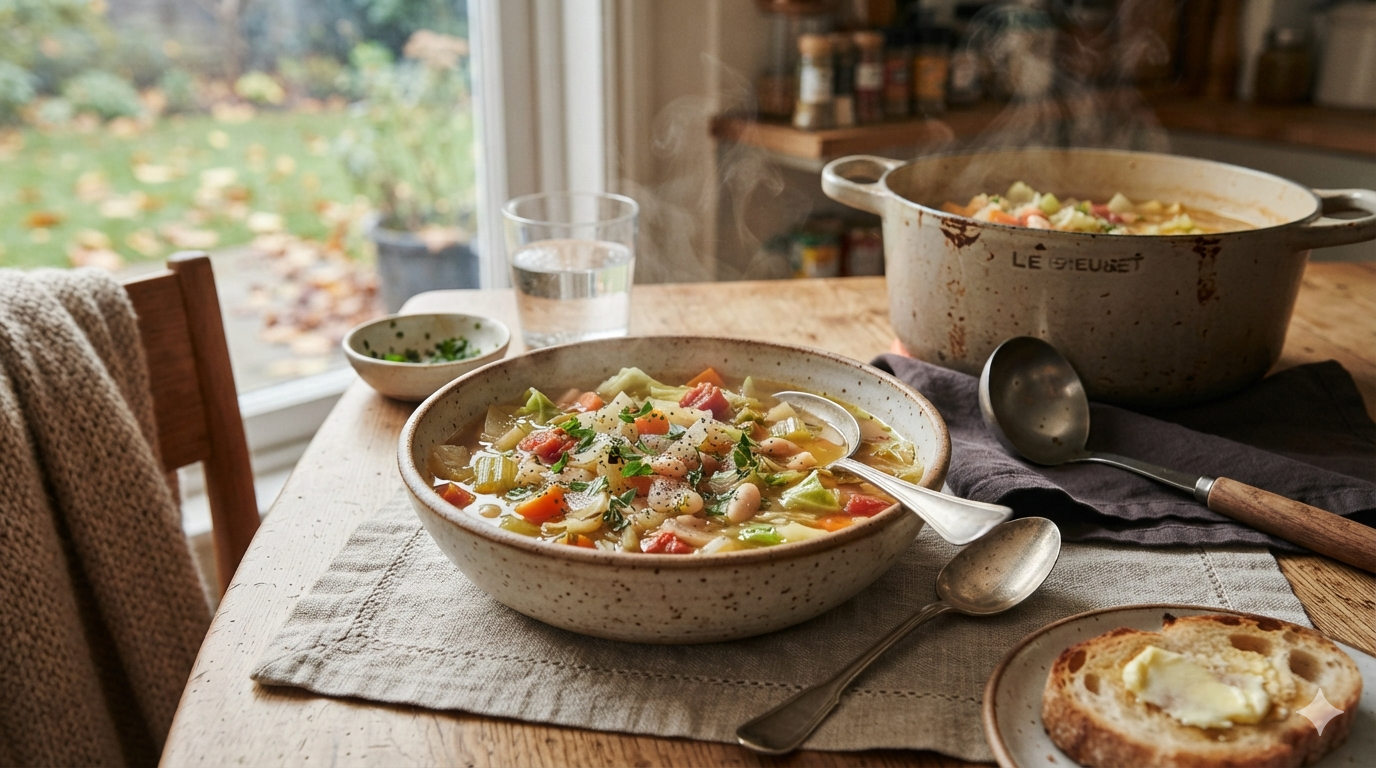
When the weather feels cool, a warm bowl of homemade soup can be very comforting. Cabbage soup is a simple dish that brings together fresh vegetables, broth, herbs, and gentle spices. It is easy to prepare and does not require expensive ingredients. The recipe can also fit many eating styles because you can change the vegetables, protein, and broth. Cabbage adds a mild sweetness as it cooks. It also gives the soup a pleasant texture without making it too heavy. You can prepare a large pot for family meals or save portions for later. This soup works well for lunch, dinner, or a light evening meal. It is also a useful recipe when you have extra vegetables in the kitchen. With a few basic cooking steps, you can create a warm and flavorful bowl that feels homemade and satisfying.
What Is Cabbage Soup?
Cabbage soup is a vegetable-based soup where cabbage is one of the main ingredients. Many versions include onions, carrots, tomatoes, celery, garlic, and broth. Some recipes also add potatoes, beans, beef, chicken, or other proteins. The final flavor depends on the ingredients and cooking method. Cabbage becomes tender while simmering and releases a gentle sweetness into the broth. This makes the soup taste richer without needing complicated seasonings. Some people enjoy a light vegetable version, while others prefer a hearty meal with meat or beans. There is no single way to prepare this comforting dish. That flexibility makes it useful for busy home cooks. You can also adjust the salt, herbs, spices, and vegetables to suit your taste. The result can be mild and simple or bold and hearty.
Cabbage Soup Quick Facts
| Detail | Information |
| Main ingredient | Cabbage |
| Cuisine style | Home-style comfort food |
| Preparation | Simple |
| Cooking method | Simmering |
| Main vegetables | Cabbage, carrots, onion, celery |
| Common broth | Vegetable, chicken, or beef broth |
| Texture | Light to hearty |
| Best for | Lunch, dinner, meal prep |
| Serving style | Hot |
| Flavor | Savory, fresh, and mildly sweet |
| Customization | Very flexible |
| Storage | Refrigerate or freeze |
Why Is Cabbage Soup So Popular?
One reason cabbage soup remains popular is its simplicity. You do not need advanced cooking skills to make a good pot. The ingredients are also easy to find in many grocery stores. Cabbage can stretch a meal because one head provides many servings. The soup is also flexible enough for different preferences. You can keep it vegetarian or add chicken, beef, beans, or sausage. Another benefit is that the recipe works well for meal preparation. A large pot can provide several meals during the week. The flavor may even improve after the ingredients sit together overnight. This makes it practical for busy families and home cooks. The soup also gives you an easy way to use vegetables before they become soft or wasteful. For these reasons, it has earned a lasting place in many home kitchens.
Ingredients You Need
A basic cabbage soup does not require a long shopping list. Start with fresh cabbage, onion, carrots, celery, garlic, and tomatoes. You will also need broth or stock to create the liquid base. Vegetable broth works well for a meat-free version. Chicken or beef broth can provide a deeper flavor. Add salt and black pepper according to your taste. Dried herbs such as thyme, parsley, oregano, or Italian seasoning can add extra aroma. You may also use bay leaves while the soup simmers. Potatoes can make the soup more filling. Beans can add extra texture and plant-based protein. If you want meat, cooked chicken, ground beef, or sausage can work nicely. Fresh ingredients usually give the best flavor, but frozen vegetables can also save time.
How to Make Cabbage Soup
To make cabbage soup, begin by preparing all your vegetables. Chop the onion, carrots, celery, cabbage, and garlic into small pieces. Heat a large pot with a little cooking oil. Add the onion, carrots, and celery first. Cook them until they begin to soften and smell fragrant. Add the garlic and cook it briefly. Next, add chopped cabbage, tomatoes, broth, herbs, salt, and pepper. Stir everything together and bring the mixture to a gentle boil. Reduce the heat and let the soup simmer. The cabbage should become tender without turning completely mushy. Taste the broth near the end of cooking. Add more seasoning if needed. If the soup feels too thick, add extra broth. If you prefer stronger flavor, allow it to simmer a little longer. Serve it hot with bread or your favorite side.
How Long Should Cabbage Cook?
The cooking time depends on the texture you prefer. For tender cabbage, a gentle simmer usually works well. Thinly sliced cabbage cooks faster than large chunks. You can add cabbage later if you want it to keep more texture. This method also helps prevent overcooking. For a softer soup, allow the cabbage to simmer longer with the other vegetables. Keep the heat moderate rather than using a rapid boil. A gentle simmer allows the flavors to develop gradually. If you add potatoes or meat, consider their cooking time as well. Potatoes may need more time to become tender. Raw meat should be cooked safely before serving. If using cooked meat, add it during the later part of cooking. Always taste the vegetables before serving. They should be tender but still pleasant to eat.
Best Vegetables to Add
One great feature of cabbage soup is how easily it accepts other vegetables. Carrots bring sweetness and bright color. Celery adds a fresh, savory note. Tomatoes give the broth acidity and depth. Potatoes create a thicker and more filling meal. Green beans can add texture and freshness. Corn provides natural sweetness and a pleasant bite. Zucchini works well when added closer to the end. Bell peppers can add a mild sweetness and extra aroma. You can also use spinach or kale for a leafy green addition. Avoid adding delicate vegetables too early because they may become overly soft. This recipe is especially useful when cleaning out your vegetable drawer. Start with cabbage as the base, then build around what you already have. That simple approach can reduce food waste while creating a different version every time.
Can You Add Meat or Beans?
Yes, meat and beans can turn cabbage soup into a more filling meal. Ground beef is a popular choice because it adds a rich and savory taste. Brown the meat before adding the remaining ingredients. Chicken is another good option, especially with chicken broth and herbs. Sausage can create a stronger and richer flavor. For a plant-based option, add kidney beans, cannellini beans, chickpeas, or lentils. Canned beans should be drained and rinsed before use. They can usually be added during the later cooking stage. If using dry beans, cook them separately or allow enough time for them to become tender. The amount of protein depends on how hearty you want the soup. A lighter version may use vegetables alone. A heartier version can combine cabbage, potatoes, beans, and meat. This flexibility makes the recipe easy to adapt.
How to Make It More Flavorful
Good seasoning can make a simple pot taste much better. Start by cooking onions, carrots, celery, and garlic before adding the liquid. This creates a stronger base than simply boiling everything together. Herbs can also change the character of the soup. Thyme gives a warm herbal note, while parsley adds freshness. Oregano can create a Mediterranean-style flavor. Black pepper adds gentle heat. A small amount of paprika can add warmth and color. Tomatoes can provide useful acidity and balance. If the soup tastes flat, check the salt first. A little lemon juice or vinegar can also brighten the finished broth. Do not add too much at once. Taste after every small adjustment. Homemade stock can provide extra depth, but regular broth works well too. Simple ingredients often produce the best result when each flavor has room to shine.
Healthy Ways to Serve Cabbage Soup
A bowl of cabbage soup can be part of a balanced meal when served with suitable foods. Add beans, chicken, or another protein if you want more staying power. Potatoes, whole-grain bread, or brown rice can provide additional carbohydrates. You can also serve the soup with a simple side salad. Fresh herbs make an easy topping without adding much effort. If you enjoy creamy textures, a small spoonful of plain yogurt can work well with some versions. The nutrition of the final dish depends on the ingredients and portion size. Broth, meat, oils, and toppings can change the overall nutrition. Rather than focusing on one ingredient, think about the whole meal. A colorful bowl with several vegetables can be both enjoyable and satisfying. If you have specific dietary needs, adjust ingredients according to your personal requirements.
Common Cabbage Soup Variations
There are many ways to create a new version of cabbage soup. A tomato-based version uses crushed tomatoes and vegetable broth for a bright flavor. A beef version can include ground beef, potatoes, and carrots. A chicken version works well with shredded cooked chicken and herbs. A bean version can use white beans or kidney beans for extra texture. You can also make a spicy version with chili flakes or fresh peppers. For a creamy style, blend part of the cooked vegetables and return them to the pot. This creates body without needing a large amount of cream. You can even add noodles or rice for a more filling meal. Each variation gives the same basic recipe a different personality. Start with a simple base, then change one or two ingredients. Small changes can create surprisingly different results.
Mistakes to Avoid When Making Cabbage Soup
Even a simple recipe can go wrong if a few details are missed. One common mistake is cutting all vegetables into very different sizes. Smaller pieces may become soft before larger pieces are ready. Try to keep similar vegetables close in size. Another mistake is adding too much salt early. Broth and canned tomatoes may already contain salt. Taste the soup before adding more seasoning. Overcooking cabbage can also create an unpleasant texture. Keep the soup at a gentle simmer instead of a hard boil. Adding too much liquid can make the flavor seem weak. If this happens, simmer the pot uncovered for a short time. Another issue is adding delicate greens too early. Spinach and herbs often need only a few minutes. Finally, taste the finished soup before serving. A final adjustment of pepper, herbs, or acidity can make a big difference.
How to Store and Reheat It
Proper storage helps cabbage soup remain enjoyable for later meals. Allow the soup to cool reasonably before placing it in storage containers. Use clean, airtight containers and refrigerate leftovers promptly. When reheating, warm only the amount you plan to eat. A saucepan works well for gentle reheating. You can also use a microwave-safe bowl for smaller portions. Stir the soup during reheating so the heat spreads evenly. If the broth becomes thicker after refrigeration, add a little water or broth. Frozen portions can also be useful for future meals. Leave enough space in the container if freezing because liquids expand. Thaw frozen soup safely before reheating. The texture of some vegetables may become softer after freezing. However, the flavor can still remain enjoyable. Labeling containers with the date can also help you manage leftovers.
What to Serve With Cabbage Soup
A warm bowl of cabbage soup pairs well with many simple sides. Crusty bread is one of the easiest choices. It can soak up the flavorful broth and make the meal feel more complete. Whole-grain bread can provide a hearty option. A fresh green salad can add crunch and contrast. You can also serve the soup with roasted vegetables. For a heartier dinner, add a sandwich or a small serving of cooked grains. Garlic bread works especially well with tomato-based soup. If your soup already contains potatoes and meat, you may prefer a lighter side. Fresh fruit can also provide a refreshing finish. The best pairing depends on how filling your main soup is. Keep the side simple when the soup contains many ingredients. This lets the soup remain the star of the meal.
Tips for Making the Recipe Faster
Busy cooks can make cabbage soup faster with a few simple shortcuts. Prepare your vegetables in advance and store them properly in the refrigerator. Pre-chopped vegetables can reduce preparation time. Frozen carrots, corn, peas, or mixed vegetables can also be useful. Canned tomatoes save time because they require no chopping. Pre-cooked beans are another convenient ingredient. If you want meat, use leftover cooked chicken instead of starting with raw meat. A large pot can also save time because you can prepare several servings together. Keep basic seasonings in your kitchen so you do not need special ingredients. Another useful tip is to wash and chop cabbage as soon as you bring it home. Store it safely until needed. These small habits make homemade cooking easier. You can then prepare a warm meal without spending hours in the kitchen.
Why Homemade Soup Feels So Special
There is something comforting about making soup from scratch. The kitchen slowly fills with the smell of onions, garlic, herbs, and simmering vegetables. Cabbage soup is especially friendly for home cooking because it feels simple rather than complicated. You can taste the broth as it cooks and make changes along the way. That gives you more control over the final flavor. Homemade soup also lets you use ingredients that your family enjoys. You can make it mild for children or add spices for adults. You can also create smaller portions when cooking for one or two people. From my cooking perspective, the best recipes are often the flexible ones. They allow small changes without ruining the meal. This soup fits that idea perfectly. It is not about following strict rules. It is about building a warm, tasty bowl with ingredients you already enjoy.
Frequently Asked Questions
1. Is cabbage soup easy to make?
Yes, cabbage soup is one of the easier homemade soups to prepare. Most of the work involves chopping vegetables and adding them to a pot. After that, the soup mainly needs time to simmer. You can also simplify the process with canned tomatoes, frozen vegetables, and prepared broth. The recipe does not require special cooking equipment. A large saucepan or soup pot is usually enough. Beginners can start with cabbage, onions, carrots, tomatoes, broth, salt, and pepper. Once comfortable, they can add beans, meat, potatoes, herbs, or other vegetables. The flexible nature of the recipe makes it suitable for new cooks. It also gives experienced cooks plenty of room to experiment.
2. Can I make cabbage soup without meat?
Yes, you can easily make a meat-free version. Use vegetable broth as the main liquid and add plenty of vegetables. Beans, lentils, or chickpeas can provide extra texture and protein. Potatoes can also make the soup more filling. Mushrooms are another useful ingredient because they provide a savory taste. Add herbs such as thyme, parsley, or oregano for extra flavor. You can also use tomatoes to create a rich base. A vegetarian version can be light while still feeling satisfying. If you prefer a fully plant-based recipe, check the labels on broth and other packaged ingredients. Some products may contain animal-based ingredients. With simple substitutions, the recipe can fit many different meal preferences.
3. Can I freeze cabbage soup?
Yes, cabbage soup can generally be frozen for later meals. Allow the soup to cool before placing it into suitable freezer containers. Leave some empty space because liquid expands when frozen. Divide the soup into smaller portions if you want easy individual meals. When ready to eat, thaw it safely and reheat it thoroughly. Some vegetables may become softer after freezing and thawing. Potatoes can also change texture slightly. If texture matters to you, consider adding fresh potatoes during reheating. Label the containers with the date so older portions are easy to identify. Freezing can be especially useful when you make a large batch. It helps reduce food waste and gives you a quick homemade meal for busy days.
4. How can I thicken cabbage soup?
There are several simple ways to thicken the soup. Adding potatoes is one natural option. As they cook, some potatoes soften and add body to the broth. Beans can also make the soup thicker and more filling. Another method is to blend a small portion of the cooked vegetables. Return the blended mixture to the pot and stir well. You can also use a suitable thickener if your recipe calls for one. Avoid adding too much thickener because it can hide the flavor of the broth. If you want a lighter soup, simply simmer it uncovered for a while. Some liquid will evaporate and concentrate the flavor. Always make changes slowly and taste the soup between adjustments.
5. What cabbage is best for soup?
Green cabbage is a popular choice because it is affordable, easy to find, and mild in flavor. It becomes tender during simmering while still providing useful texture. Savoy cabbage can also work well and has softer, crinkled leaves. Red cabbage can be used, but it may change the color of the broth. Napa cabbage is another option and cooks more quickly. The best choice depends on the texture and flavor you want. For a traditional-style vegetable soup, green cabbage is a simple starting point. Remove damaged outer leaves before preparing the cabbage. Wash it well and cut it into manageable pieces. If you prefer larger cabbage pieces, add them early enough for proper cooking.
6. Can I prepare cabbage soup ahead of time?
Yes, preparing the soup ahead can make meal planning much easier. In fact, many soups taste even better after resting because the flavors have time to combine. Cook the soup as usual and store it safely once it has cooled. Refrigerate the amount you plan to eat soon. Freeze extra portions if you want to keep them for later. When serving, reheat the soup until it is thoroughly hot. Add a little broth or water if the liquid becomes too thick. Fresh herbs can be added after reheating for a brighter taste. You can also prepare the vegetables ahead of time and cook the soup the next day. This approach can reduce kitchen work during busy weekdays.
Final Thoughts
Cabbage soup is a wonderful example of how simple ingredients can create a comforting homemade meal. You do not need expensive products or advanced cooking skills. Fresh cabbage, vegetables, broth, herbs, and a little patience can create a satisfying pot of soup. The recipe is also easy to change based on what you have available. Add beans for a plant-based meal, chicken for extra protein, or potatoes for more comfort. You can make it mild, spicy, tomato-rich, or packed with vegetables. That flexibility is one of the reasons this recipe works so well for everyday cooking. Start with the basic method and make it your own. Try different vegetables, herbs, and toppings until you find your favorite combination. If you enjoy homemade comfort food, this simple soup deserves a place in your regular meal rotation.
