

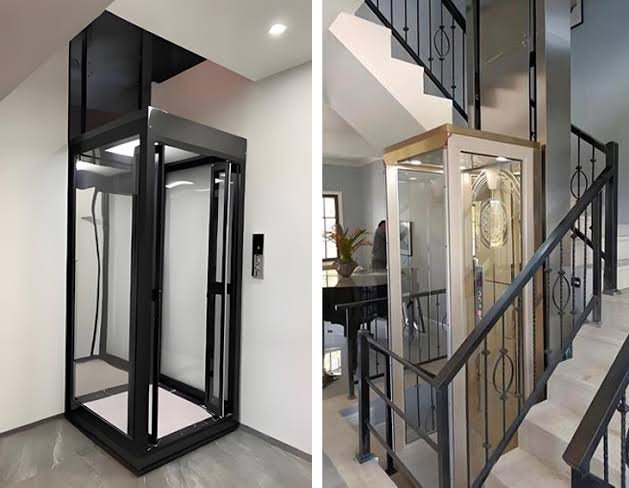
Home elevators are becoming an essential feature in modern homes. They offer convenience, improve accessibility, and increase property value. Whether you are building a new house or upgrading an existing one, selecting the right home elevator manufacturer is one of the most important decisions you will make. A reliable manufacturer provides high-quality products, advanced safety features, and dependable customer support.
In this guide, you will learn what a home elevator manufacturer does, the different types of residential elevators, key features to consider, and how to choose the best company for your needs.
What Is a Home Elevator Manufacturer?
A home elevator manufacturer designs, engineers, and produces residential elevators for private homes. These companies focus on creating safe, efficient, and stylish elevator systems that meet homeowners’ needs. Many manufacturers also provide installation, customization, maintenance, and technical support.
Leading manufacturers use advanced technology, durable materials, and strict quality control processes. They ensure every elevator meets local building regulations and international safety standards. A professional manufacturer also offers various cabin designs, finishes, and customization options to match your home’s interior.
Why Home Elevators Are Becoming More Popular
Home elevators are no longer considered luxury products. They are becoming practical solutions for families of all sizes. Aging homeowners can move safely between floors without using stairs. People with mobility challenges gain greater independence, while families appreciate the added convenience of transporting groceries, luggage, and other heavy items.
Another reason for their popularity is increased property value. Homes equipped with elevators often attract more buyers, especially those planning for long-term living. Modern home elevators also require less space and consume less energy than older systems, making them suitable for many residential properties.
Types of Home Elevators
Different homes require different elevator systems. A trusted home elevator manufacturer offers several options to fit various building designs and budgets.
Hydraulic Elevators
Hydraulic elevators use fluid pressure to move the cabin. They provide smooth operation and excellent lifting capacity. These elevators are ideal for homes with enough space for the required machinery.
Traction Elevators
Traction elevators use steel ropes and counterweights. They are energy-efficient, quiet, and suitable for multi-story homes. Many homeowners choose traction systems because of their long lifespan and low maintenance needs.
Vacuum Elevators
Vacuum elevators operate using air pressure. They have a modern appearance and require minimal construction work. Their compact design makes them ideal for existing homes where space is limited.
Screw Drive Elevators
These elevators move along a threaded steel shaft. They are reliable, compact, and require very little maintenance. Screw drive systems are becoming increasingly popular for residential applications.
Key Features to Look for in a Home Elevator
Choosing the right elevator involves more than selecting a beautiful cabin. Consider these important features before making your decision.
- Advanced safety brakes
- Emergency battery backup
- Automatic rescue operation
- Quiet motor technology
- Energy-efficient operation
- Smooth start and stop
- Easy-to-use control panel
- Custom cabin designs
- Remote monitoring capabilities
- Low maintenance requirements
A reputable home elevator manufacturer will explain these features clearly and recommend the best solution based on your home’s layout.
How to Choose the Best Home Elevator Manufacturer
Finding the right manufacturer requires careful research. Start by evaluating the company’s experience and reputation in the residential elevator industry. Look for manufacturers with positive customer reviews and successful installation projects.
Product quality should always be a priority. High-quality elevators last longer, require fewer repairs, and provide better safety. Ask about warranty coverage, available customization options, and maintenance services.
Customer support is equally important. Reliable manufacturers offer professional consultation before purchase and responsive technical support after installation. Choosing an experienced company reduces the risk of future problems.
Benefits of Working with a Trusted Manufacturer
Partnering with an experienced home elevator manufacturer offers many long-term advantages.
First, you receive a product designed specifically for residential use. Professional manufacturers understand the unique challenges of home installations and provide customized solutions.
Second, you benefit from advanced engineering and strict quality standards. This results in smoother performance, lower operating costs, and improved reliability.
Finally, trusted manufacturers continue supporting customers through maintenance, repairs, spare parts availability, and software updates when applicable.
Safety Standards and Certifications
Safety remains the highest priority in every residential elevator installation. Reputable manufacturers follow national and international safety regulations throughout the design and manufacturing process.
Important safety features include emergency alarms, overload protection, door interlocks, emergency lowering systems, and backup power supplies. Many manufacturers also conduct extensive testing before shipping each elevator.
Always verify that your chosen manufacturer complies with local building codes and recognized industry certifications. This ensures safe operation for years to come.
Installation Process Explained
Installing a home elevator involves several carefully planned steps. The manufacturer usually begins with a site inspection to assess available space and structural requirements.
After finalizing the design, engineers prepare detailed plans for construction. Installation professionals then assemble the elevator, install safety systems, and perform operational testing.
The final stage includes inspection, certification, and homeowner training. Most residential elevator installations can be completed within a few days to several weeks, depending on the project complexity.
Maintenance and After-Sales Support
Routine maintenance keeps your elevator operating safely and efficiently. A reliable home elevator manufacturer offers scheduled maintenance programs that include inspections, lubrication, component testing, and software updates if required.
Regular servicing helps identify potential issues before they become expensive repairs. Many manufacturers also provide emergency repair services and technical support whenever needed.
Choosing a manufacturer with strong after-sales service ensures peace of mind throughout the elevator’s lifespan.
Cost Factors for Home Elevators
The price of a residential elevator depends on several factors.
- Elevator type
- Number of floors served
- Cabin size
- Interior finishes
- Drive system
- Installation complexity
- Custom design features
- Maintenance package
- Safety upgrades
Although premium models may cost more initially, they often provide better efficiency, durability, and lower maintenance expenses over time.
Future Trends in Home Elevator Technology
The residential elevator industry continues to evolve rapidly. Smart technology is making elevators safer, more efficient, and easier to maintain.
Modern systems now include smartphone controls, predictive maintenance, remote diagnostics, energy-saving motors, and voice-command compatibility. Manufacturers are also using environmentally friendly materials and compact machine-room-less designs to improve installation flexibility.
These innovations help homeowners enjoy greater comfort while reducing operating costs.
Frequently Asked Questions
What does a home elevator manufacturer do?
A home elevator manufacturer designs, produces, tests, and supports residential elevator systems for private homes.
Are home elevators safe?
Yes. Modern residential elevators include multiple safety systems such as emergency brakes, backup power, alarms, and automatic rescue functions.
How long does a home elevator last?
With proper maintenance, a quality home elevator can operate efficiently for 20 to 30 years or longer.
Can an elevator be installed in an existing home?
Yes. Many compact elevator systems are specifically designed for retrofit installations.
How often should a home elevator be serviced?
Most manufacturers recommend professional maintenance at least once or twice each year.
Do home elevators increase property value?
Yes. A residential elevator can improve accessibility, convenience, and resale value, especially in multi-story homes.
Conclusion
Choosing the right home elevator manufacturer is essential for safety, performance, and long-term reliability. A trusted manufacturer provides high-quality products, expert installation, comprehensive warranties, and dependable after-sales support. By comparing manufacturers carefully and considering factors such as safety, customization, maintenance, and technology, homeowners can invest confidently in an elevator that improves comfort, accessibility, and property value for many years to come.
