

In today’s rapidly evolving digital world, startups face an increasing number of cybersecurity threats. Protecting sensitive information is no longer optional but essential for survival and growth. This is where ISO 27001 for startups becomes a vital tool. It is an international standard that helps organizations manage and protect their information assets systematically.
What is ISO 27001?
ISO 27001 is a comprehensive framework for an Information Security Management System (ISMS). It provides guidelines and best practices to protect data confidentiality, integrity, and availability. For startups, this standard ensures a structured approach to identifying risks and implementing controls to mitigate them effectively.
Why Should Startups Adopt ISO 27001?
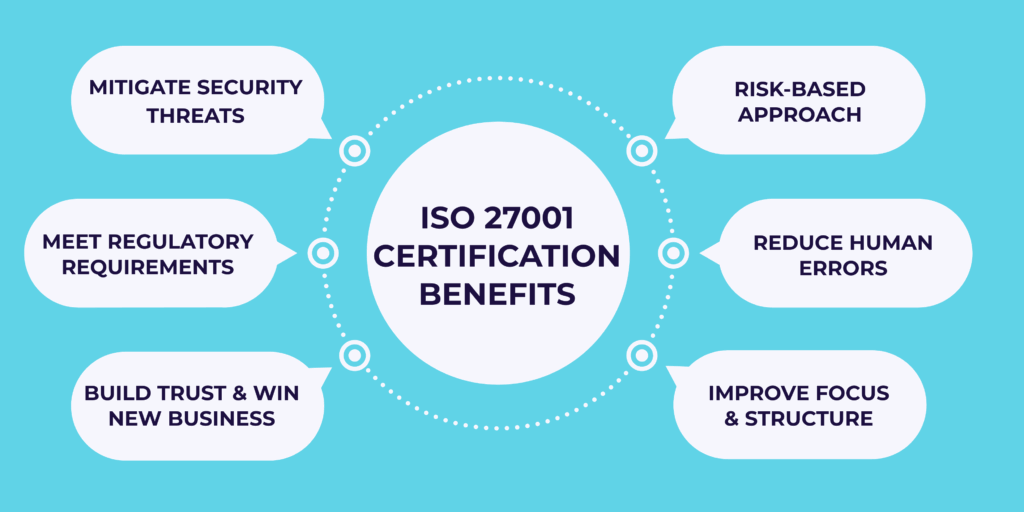
Startups often deal with critical business data, including client information, intellectual property, and financial records. Without proper security measures, this data is vulnerable to breaches, which can cause severe financial and reputational damage. Implementing ISO 27001 for startups helps mitigate these risks by:
- Establishing strong security policies and procedures
- Ensuring compliance with legal regulations and customer requirements
- Building trust with clients and partners by demonstrating commitment to security
Key Benefits of ISO 27001 for Startups
Implementing ISO 27001 offers multiple benefits for startups, such as:
- Enhanced Data Protection: Helps safeguard sensitive business and customer information.
- Competitive Edge: Certification can differentiate startups in competitive markets.
- Risk Management: Provides a clear process for identifying and addressing security vulnerabilities.
- Improved Operational Efficiency: Encourages streamlined processes and employee awareness.
How Can Startups Implement ISO 27001?
While the certification process may seem overwhelming, startups can follow these steps:
- Conduct a Risk Assessment: Identify and evaluate risks to information assets.
- Develop Policies and Controls: Create security policies aligned with ISO 27001 standards.
- Train Employees: Ensure the entire team understands security protocols and their roles.
- Monitor and Review: Continuously assess and improve the ISMS to adapt to new threats.
Challenges Faced by Startups
Startups may find the ISO 27001 implementation challenging due to limited resources and expertise. However, prioritizing critical assets and seeking expert guidance can simplify the process. Many startups start small and gradually expand their ISMS as they grow.
Conclusion
For startups aiming to build a secure and trusted brand, ISO 27001 for startups is an essential investment. It not only protects valuable information but also enhances credibility and business opportunities. Adopting ISO 27001 early can help startups avoid costly data breaches and position themselves for long-term success.
By integrating ISO 27001 for startups into their business model, startups demonstrate a serious commitment to information security, earning the confidence of clients and investors alike.
