

Introduction
A 100-120 PPM Shisha Tobacco Packaging Line is a modern automated system designed for manufacturers that require high production efficiency, consistent packaging quality, and reduced labor costs. Producing between 100 and 120 packs per minute (PPM), this packaging line is ideal for medium to large-scale shisha tobacco production facilities.
With the growing global demand for premium shisha tobacco products, manufacturers need reliable packaging equipment that delivers speed, accuracy, and flexibility. A high-performance packaging line ensures every pouch, box, or container is filled, sealed, labeled, and packed according to industry standards while maintaining product freshness.
What Is a 100-120 PPM Shisha Tobacco Packaging Line?
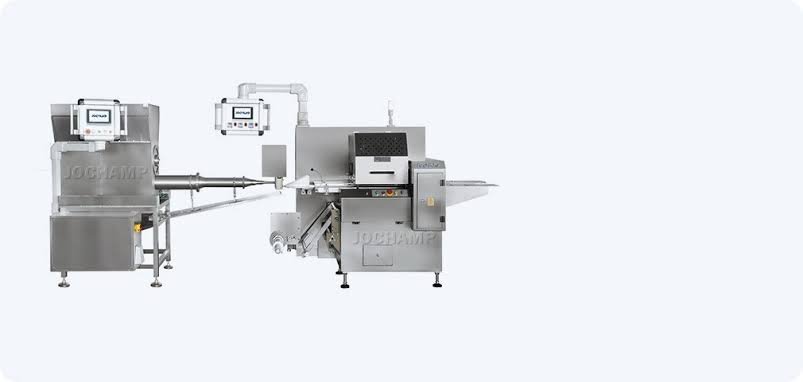
A 100-120 PPM Shisha Tobacco Packaging Line is an integrated packaging system that automates the complete packaging process. It combines multiple machines into one efficient production line, including filling, sealing, coding, labeling, inspection, and final case packing.
The system is designed to handle different packaging materials and container sizes while maintaining high productivity and consistent package quality.
Main Components of the Packaging Line
The packaging line consists of several advanced machines working together.
Tobacco Feeding System
The feeding system transfers shisha tobacco evenly into the filling machine. It minimizes waste while ensuring a continuous supply of product.
Automatic Filling Machine
The filling machine accurately dispenses the required amount of tobacco into each package using precision weighing technology.
Sealing Machine
The sealing unit securely closes each package, protecting the tobacco from moisture, air, and contamination.
Date Coding Machine
This machine prints production dates, expiration dates, batch numbers, and QR codes on every package for traceability.
Labeling Machine
Automatic labeling equipment applies product labels quickly and accurately while maintaining perfect alignment.
Inspection System
Vision cameras and checkweighers inspect every package for filling accuracy, seal quality, and label positioning.
Cartoning Machine
Finished packages are automatically placed into retail cartons for convenient transportation and display.
Case Packing Machine
Multiple cartons are packed into shipping cases before palletizing and warehouse storage.
Features of a 100-120 PPM Shisha Tobacco Packaging Line
Modern packaging lines include many advanced features.
- Production speed of 100-120 packs per minute
- Fully automated operation
- High filling accuracy
- PLC touchscreen control
- Servo motor technology
- Stainless steel construction
- Easy cleaning and maintenance
- Multiple package size compatibility
- Quick changeover between products
- Energy-efficient operation
- Automatic fault detection
- Real-time production monitoring
These features improve production efficiency while maintaining excellent product quality.
Benefits of Using a High-Speed Packaging Line
Investing in an automated packaging system offers numerous advantages for manufacturers.
Increased Production Capacity
Producing up to 120 packs every minute significantly increases daily output without requiring additional workers.
Consistent Product Quality
Automated systems ensure every package receives the correct weight, proper sealing, and professional appearance.
Lower Labor Costs
Automation reduces manual handling and minimizes workforce requirements.
Reduced Material Waste
Accurate filling systems prevent overfilling and reduce product loss during packaging.
Improved Food Safety
The enclosed production process reduces contamination risks and maintains hygienic manufacturing standards.
Better Brand Image
Professionally packaged products enhance customer confidence and improve shelf appeal.
Packaging Materials Supported
A 100-120 PPM Shisha Tobacco Packaging Line can process various packaging materials.
- Aluminum foil pouches
- Laminated film
- Plastic containers
- Composite cans
- Plastic cups
- Stand-up pouches
- Zip-lock bags
- Paper cartons
- Metal tins
This flexibility allows manufacturers to serve different market requirements.
Industries That Use These Packaging Lines
Although designed for shisha tobacco, these packaging systems are also suitable for several industries.
- Shisha tobacco manufacturing
- Herbal smoking products
- Tea packaging
- Coffee packaging
- Spice packaging
- Dry food products
- Powder products
- Granule packaging
The versatility of the equipment increases its value across multiple production sectors.
Automation Technology
Modern packaging lines use intelligent automation systems for maximum efficiency.
Advanced PLC controllers coordinate every machine in the production line. Touchscreen interfaces allow operators to adjust production settings easily. Servo motors improve movement precision while reducing energy consumption.
Some systems also include remote monitoring, automatic diagnostics, and predictive maintenance features that reduce downtime and improve overall productivity.
Packaging Accuracy
Accurate filling is essential in tobacco packaging.
Modern weighing systems maintain extremely consistent filling weights while minimizing product giveaway. Automatic correction systems continuously adjust filling volumes based on real-time measurements.
This precision improves customer satisfaction while reducing production costs.
Hygienic Design
Food-grade stainless steel construction makes cleaning easier and prevents contamination.
Smooth machine surfaces eliminate dust accumulation while enclosed components protect the tobacco during packaging.
Many machines also comply with GMP and food safety manufacturing standards.
Energy Efficiency
Energy-saving technologies reduce operating costs without affecting production speed.
Efficient servo motors, optimized air consumption, and intelligent power management systems help manufacturers lower electricity usage while maintaining high productivity.
This contributes to sustainable manufacturing practices.
Easy Maintenance
Maintenance requirements are simplified through modular machine design.
Operators can quickly access critical components for inspection, cleaning, and replacement. Automatic lubrication systems further reduce maintenance time and extend equipment lifespan.
Routine maintenance ensures reliable long-term operation.
Quality Control Features
Quality assurance is integrated throughout the packaging process.
Inspection systems automatically detect underfilled packages, damaged seals, missing labels, incorrect date codes, and foreign objects.
Defective products are automatically rejected before reaching final packaging.
This reduces customer complaints and protects brand reputation.
Choosing the Right Packaging Line
When selecting a 100-120 PPM Shisha Tobacco Packaging Line, manufacturers should evaluate several important factors.
- Required production capacity
- Packaging material compatibility
- Filling accuracy
- Machine reliability
- Automation level
- Available factory space
- Maintenance support
- Energy consumption
- Future production expansion
- Supplier experience
Choosing the right system ensures maximum return on investment.
Future Trends in Shisha Tobacco Packaging
Packaging technology continues to evolve rapidly.
Future packaging lines are expected to include artificial intelligence, robotic handling systems, cloud-based monitoring, predictive maintenance, and smart factory integration.
Sustainable packaging materials and recyclable packaging solutions are also becoming increasingly important as manufacturers work toward environmentally friendly production.
Conclusion
A 100-120 PPM Shisha Tobacco Packaging Line is an excellent investment for manufacturers seeking higher productivity, improved packaging quality, and lower operating costs. With advanced automation, precise filling systems, intelligent quality control, and flexible packaging capabilities, these production lines meet the demands of today’s competitive tobacco industry.
By investing in a reliable automated packaging solution, manufacturers can improve efficiency, reduce waste, maintain product freshness, and strengthen their market position while preparing for future production growth.
