

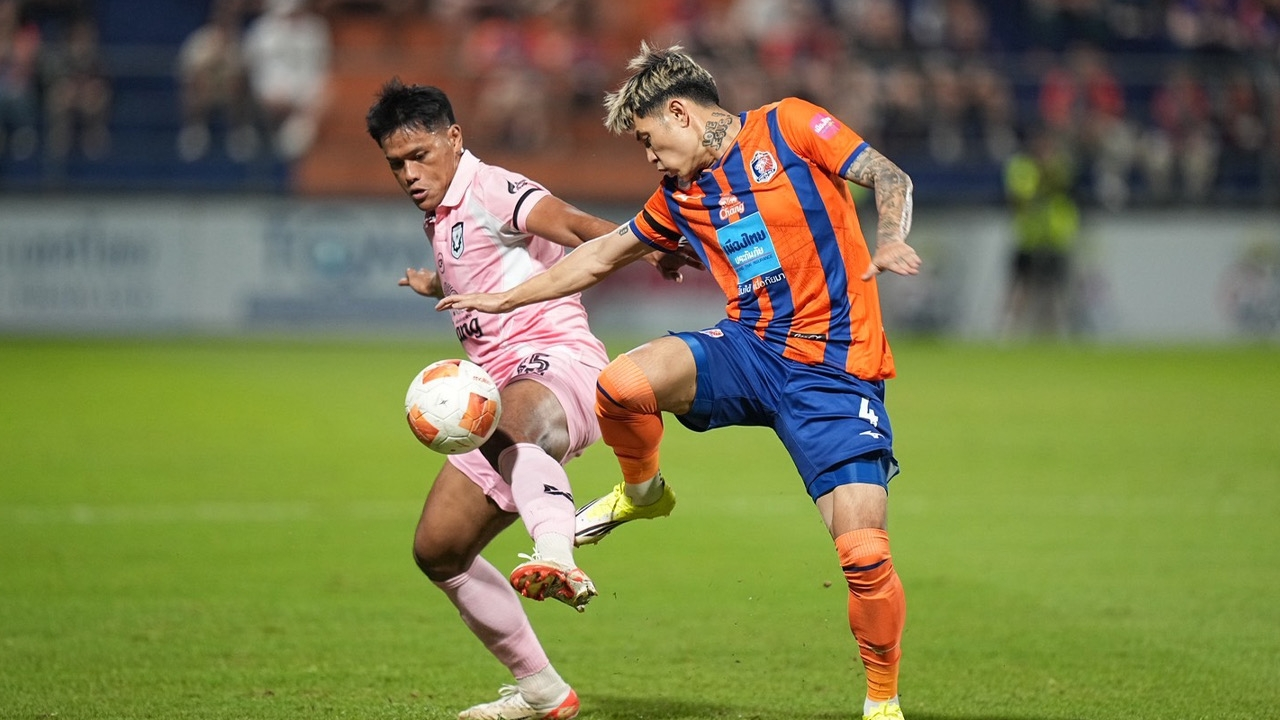
Across the 2016 Thai League season, several clubs moved away from their previous patterns and adopted far more distinct attacking or defensive identities. For bettors who were watching numbers instead of reputation, these style shifts created early opportunities in markets for goals, handicaps, and streak‑based betting before odds fully adjusted.
Why sudden style shifts matter so much in a betting context
A team that changes how it plays forces the market to re‑estimate everything from expected goals to the reliability of home advantage. In Thai League 2016, style alterations affected how often clubs generated corners, how aggressively they pressed, and whether they chased matches or defended leads, all of which left fingerprints on statistics. Bettors who continued to price matches based on 2015 reputations were effectively betting against the data, while those who recognised the new patterns could adjust their models faster than the broader market.
Muangthong United’s transformation into a relentless front-foot side
Muangthong United did not appear from nowhere as a strong club, but the way they dominated the 2016 campaign represented a significant sharpening of their attacking profile. Performance data shows they put together the longest winning and unbeaten streaks in the league, with a run of 14 straight victories and a goal difference that reflected consistent multi‑goal wins. When you pair this with match‑level stats showing heavy home scoring—such as an 8–3 home win over Osotspa—it becomes clear that their style tilted toward sustained pressure rather than marginal victories.
How Muangthong’s change translated into betting angles
Once Muangthong shifted into this high‑output mode, several markets became more attractive than they had been in previous seasons. Handicaps that previously looked steep became more realistic as they regularly cleared big lines, and totals on their matches leaned towards overs because their games often turned lopsided once they broke resistance. Bettors who noticed early that this was a structural change, not just a short purple patch, could treat short‑priced 1X2 odds as a baseline and look for value around goal lines, Asian handicaps, and even first‑half markets instead of forcing underdog narratives.
Bangkok United’s evolution into a sustained high-intensity attacking force
Bangkok United’s 2016 season marked a clear step up from their earlier status as a mid‑table or secondary contender. Performance tables show they produced a 20‑game unbeaten run and finished as runners‑up with an attacking unit that included forwards like Dragan Boskovic contributing heavily to their goal tally. Their league and cup scoring logs reveal frequent multi‑goal performances, both at home and away, indicating a more assertive approach rather than the intermittent threat seen in some previous campaigns.
Conditional scenarios where Bangkok United became a different kind of bet
Under this new style, Bangkok United’s away games in 2016 were no longer automatic under or cautious‑favourite spots. When they travelled to mid‑table sides, their willingness to attack raised the probability of both teams scoring and of higher totals, especially once opponents realised they needed to play proactively to compete. Bettors who updated their priors treated Bangkok United less as a “traditional Thai League away underdog” and more as a side capable of turning matches open regardless of venue, shifting their focus toward BTTS and over 2.5 goals when matchup conditions supported it.
Defensive collapses and openness: Osotspa, BBCU and the rise of high-variance fixtures
Style shifts are not always positive; some teams deteriorate defensively and unintentionally become magnets for chaotic scorelines. In 2016, Osotspa M‑150 endured the league’s longest losing streak, while BBCU suffered the longest winless run, patterns that rarely occur without significant structural weakness at the back. Defensive stats indicate that these clubs conceded heavily across multiple matches, and they appeared on the wrong side of some of the season’s biggest margins, signalling more than just normal variance.
Mechanism: from defensive decline to betting volatility
For bettors, the key question was not only whether these teams would lose but how they would lose. Once it became clear that they struggled to protect their box or manage game states, their matches tended to feature late goals, broken shapes, and large gaps between lines, all of which pushed probabilities towards overs and big handicaps. Those who recognised that this behaviour was repeating—rather than treating each defeat as isolated—could exploit markets that still priced their games as if they were conventional relegation sides capable of grinding low‑scoring losses.
Where UFABET-style consolidated records help track emerging style changes
When you are trying to detect these style shifts live during a season, raw memory of results is rarely enough; you need consistent exposure to both odds and outcomes across many matchdays. In practice, some Thai League followers centralised their wagers through a single sports betting service so they could see their past slips, stake patterns, and market choices in one timeline, and for many domestic bettors this often meant using แทงบอล ufabet as their recurring online betting site. Over the 2016 campaign, that kind of consolidated record allowed them to notice, for example, that Muangthong and Bangkok United were hitting certain overs or handicaps far more frequently than their pre‑season reputations suggested, prompting a deliberate shift in how those teams were priced in personal models even before bookmakers fully caught up.
Using corner and tempo stats to confirm stylistic narratives
Style is not just about goals; it is also about how often teams push the ball into advanced areas and how many sustained attacks they generate. Corner statistics from the 2016 Thai League season show clear gaps between sides that drove persistent attacking sequences—such as high‑energy pressing teams—and those that struggled to force opponents back. Combining these figures with defensive data on shots and goals conceded helps you distinguish between clubs that merely finished chances well and those that genuinely changed their tempo and territorial control compared with previous years.
Conditional use of corner data in betting decisions
In matches where two high‑corner 2016 sides met, their combined style often justified higher expectations for offensive volume, which affected markets beyond just corner counts. High‑tempo teams facing defensively fragile opponents offered opportunities not only on corner totals but also on first‑half goals and alternative handicaps, especially when bookmakers still anchored their lines on older, slower identities. Conversely, when a formerly attacking club showed a sustained drop in corners and final‑third entries relative to pre‑2016 numbers, it signalled a tactical retreat that made historical over trends less reliable.
Comparison table: types of style shifts and their betting implications
Different teams changed in different ways, and mapping those patterns clarifies what a bettor should watch for when scanning Thai League cards.
| Type of shift | Example 2016 profile | Betting impact when recognised early |
| Dominant attacking surge | Muangthong’s long winning run and heavy scoring | Stronger case for overs and big handicaps, less value fading favourites |
| Emerging high‑intensity rival | Bangkok United’s long unbeaten stretch and output | More BTTS and away overs, fewer assumptions of cautious road games |
| Defensive collapse | Osotspa and BBCU’s extended losing/winless runs | More high‑variance scorelines, value on opposing handicaps and overs |
This kind of mapping helps you separate narrative excitement from actual, measurable change. Once you know which bucket a team sits in, you can build consistent rules for how to treat their matches instead of improvising a new story every week.
Where style-based interpretations can mislead bettors
Even genuine tactical shifts can be over‑extrapolated if you ignore sample size and context. The 2016 Thai League season ended early and the final table was based on 31 matches, which slightly compresses what would normally be a 34‑game data set and can magnify the apparent impact of a few big wins or heavy losses. Injuries, red cards and schedule quirks also produced short sequences that looked like style changes but faded once conditions normalised, so bettors who demanded multi‑round confirmation before changing their models were less likely to chase mirages.
Mechanism: separating sustainable trends from noise
To decide whether a perceived shift is real, you need to see it reflected in multiple independent metrics—goals, x‑style stats like corners or shots, and streak data—rather than in a single highlight result. If Muangthong’s attacking spike had been limited to a few blowouts without sustained streaks or consistent territorial dominance, treating it as a permanent upgrade would have been risky. The fact that their dominance appeared across win runs, scoring margins and match‑flow stats is what made the betting implications robust rather than speculative.
Summary
Across Thai League 2016, teams that genuinely altered their style—whether through intensified attacking, upgraded tempo, or defensive collapse—left measurable footprints in streaks, goals, and corner statistics that bettors could exploit. Clubs like Muangthong United and Bangkok United became more dangerous than their pre‑2016 reputations suggested, while struggling sides such as Osotspa and BBCU turned into high‑variance opponents whose matches demanded different risk assumptions. For anyone betting on the league, the real edge lay in identifying these shifts earlier than the market and grounding decisions in multi‑metric confirmation rather than in one‑off narratives.
