

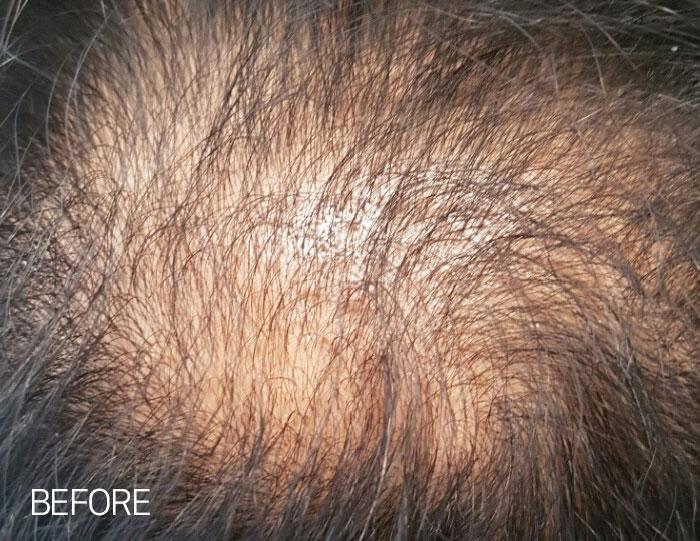
Hair loss affects millions of men and women worldwide and can occur for many different reasons, including genetics, hormonal changes, aging, stress, and certain medical conditions. Although hair loss is not usually dangerous, it can have a significant impact on self-confidence and emotional well-being.
While topical minoxidil has long been one of the most recognized treatments for hair loss, low-dose oral minoxidil has gained increasing attention as an alternative for people who struggle with topical applications or have not achieved satisfactory results. Under medical supervision, oral minoxidil has become an important option in modern hair restoration therapy.
Understanding Hair Loss
Hair naturally grows in repeating cycles of growth, transition, and rest. Various factors can interrupt this cycle, causing hair follicles to produce thinner hairs or stop producing visible hair altogether.
Common types of hair loss include:
- Male pattern hair loss (androgenetic alopecia)
- Female pattern hair loss
- Diffuse hair thinning
- Hair shedding after illness or stress
- Age-related hair thinning
Early treatment often provides better long-term outcomes because hair follicles may become less responsive over time.
How Hair Growth Changes Over Time
Healthy hair follicles continuously produce new hairs during the active growth phase.
In pattern hair loss:
- Hair follicles gradually shrink.
- Individual hairs become thinner.
- The growth phase becomes shorter.
- More hairs enter the resting phase.
- Overall hair density decreases.
These changes usually occur gradually over several years.
What Is Oral Minoxidil?
Minoxidil was originally developed as a medication for high blood pressure. During clinical use, researchers observed that many patients experienced increased hair growth, leading to its widespread use in hair restoration.
Today, low-dose oral minoxidil is prescribed by many dermatologists as an alternative treatment for certain types of hair loss. It works differently from hormone-based medications because it does not alter testosterone levels or block DHT.
Instead, minoxidil is believed to improve blood flow around hair follicles and prolong the active growth phase of the hair cycle, helping support thicker, healthier hair growth over time.
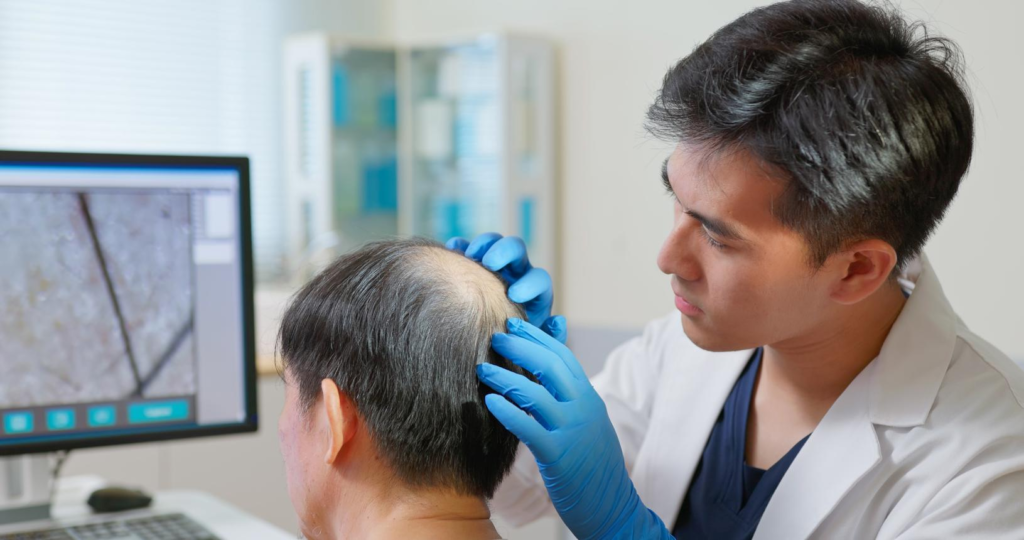
Who May Benefit From Oral Minoxidil?
Healthcare professionals may consider oral minoxidil for adults experiencing various forms of hair loss, particularly when topical treatments are difficult to use consistently.
It may be considered for:
- Male pattern hair loss
- Female pattern hair loss
- Diffuse hair thinning
- Patients with scalp irritation from topical products
- Individuals seeking an alternative to topical therapy
The suitability of treatment depends on a person’s medical history and should always be evaluated by a qualified healthcare professional.
What Results Can Patients Expect?
Hair growth is a gradual process, and improvement does not occur overnight.
Many patients notice:
- Reduced daily hair shedding
- Increased hair density
- Thicker individual hairs
- Improved scalp coverage
- Better overall hair appearance
Visible improvements generally develop over several months of consistent treatment.
Supporting Healthy Hair Growth
Medication works best when combined with healthy lifestyle habits.
Maintain a Balanced Diet
Hair follicles require adequate protein, vitamins, minerals, and healthy fats to function normally.
Manage Stress
Chronic stress may contribute to increased hair shedding in susceptible individuals.
Get Enough Sleep
Healthy sleep supports normal hormone regulation and overall body recovery.
Follow Treatment Consistently
Regular use according to medical advice gives hair follicles the best opportunity to respond.
Possible Side Effects
Like any medication, oral minoxidil may cause side effects in some individuals.
Possible side effects include:
- Mild swelling of the ankles
- Increased body or facial hair growth
- Headache
- Lightheadedness
- Temporary increase in hair shedding during early treatment
Patients should report persistent or concerning symptoms to their healthcare provider.
Long-Term Hair Care
Successful hair restoration often requires patience and consistency.
Many healthcare professionals recommend:
- Regular follow-up appointments
- Monitoring treatment response
- Maintaining a healthy lifestyle
- Continuing therapy as advised
- Protecting the scalp from excessive sun exposure
Long-term consistency is often one of the most important factors influencing results.
Finding Quality Treatment Options
Obtaining medications from trusted suppliers helps ensure product quality and authenticity.
Patients interested in learning more about Lonitab (Minoxidil Tablets) can review detailed product information, available strengths, and usage recommendations before discussing treatment options with their healthcare provider.
Final Thoughts
Hair loss is a common condition that affects people of all ages, but effective treatment options continue to evolve. Oral minoxidil has become an increasingly recognized option for selected patients seeking an alternative to topical therapies.
When prescribed appropriately and combined with healthy lifestyle habits and regular medical supervision, oral minoxidil can play an important role in supporting healthier hair growth and improving overall hair density over time.
