

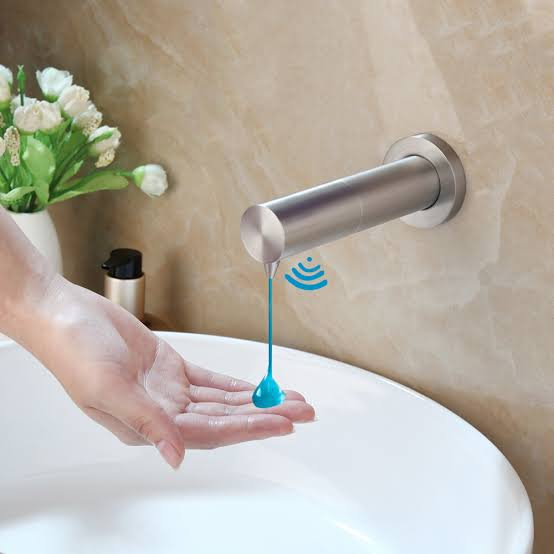
A wall mounted automatic soap dispenser is a simple and useful device that makes handwashing easier, cleaner, and more convenient. Unlike traditional soap bottles, it releases soap automatically when a person places their hand under the sensor. This touch-free design helps reduce contact with surfaces and can make a bathroom feel more modern.
These dispensers are now common in homes, offices, hotels, restaurants, schools, hospitals, and other public places. They are easy to install on a wall and help keep soap organized in one place. With many styles and sizes available, it is easy to find a dispenser that matches the needs of a particular space.
What Is a Wall Mounted Automatic Soap Dispenser?
A wall mounted automatic soap dispenser is a device that stores liquid soap and releases a small amount when it detects a hand. It normally uses an infrared or motion sensor to identify when someone is ready to wash their hands. Because users do not need to touch the dispenser, it can provide a more hygienic handwashing experience.
The wall mounted design also saves counter space. This can be especially helpful in small bathrooms where every inch of space matters. The dispenser stays fixed to the wall, making it less likely to fall, move, or become misplaced.
Many models are designed with a simple appearance. They may have a clear container that shows the remaining soap, while others have a solid outer body for a cleaner look. Depending on the model, the dispenser may work with liquid soap, hand sanitizer, or other suitable cleaning products.
Benefits of Using an Automatic Soap Dispenser
One of the biggest benefits is improved hygiene. Traditional soap pumps require people to touch the same surface repeatedly. A touch-free dispenser reduces this shared contact, which can help create a cleaner environment.
Another benefit is controlled soap use. Automatic dispensers usually release a measured amount of soap each time. This can reduce waste because users are less likely to pump too much soap. Over time, controlled dispensing can also help reduce operating costs.
The dispenser can also make handwashing more convenient. Users simply place their hands below the sensor and receive soap without pressing a button. This is useful for children, older adults, and people who may find traditional pumps difficult to operate.
Why Wall Mounted Design Is Useful
A wall mounted automatic soap dispenser keeps the sink area neat and organized. Instead of placing a soap bottle beside the sink, the dispenser can be installed at a convenient height on the wall. This leaves more space around the sink for other items.
Wall mounting can also make cleaning easier. With fewer objects sitting on the counter, there are fewer areas where water, dirt, and soap residue can collect. The surrounding surface can be wiped more quickly.
This type of dispenser is also a good option for busy commercial spaces. In offices, hotels, restaurants, and public bathrooms, wall mounted units can provide a professional appearance while making soap easily available to visitors.
Important Features to Look For
When choosing a wall mounted automatic soap dispenser, it is important to consider its main features. The sensor should respond quickly and dispense soap without requiring repeated hand movements.
The capacity of the container is another important point. A small dispenser may work well in a home bathroom, while a larger unit may be better for a busy workplace or public facility. A larger capacity means the soap does not need to be refilled as often.
Battery life should also be considered. Many automatic dispensers use batteries, so choosing an efficient model can reduce the need for frequent battery replacement. Some modern models may use rechargeable power.
It is also useful to choose a dispenser with an easy-to-clean surface and a refill container that can be removed without difficulty. These small details can make everyday maintenance much easier.
Where Can You Use an Automatic Soap Dispenser?
A wall mounted automatic soap dispenser can be used in many different places. In homes, it can be installed in the kitchen, guest bathroom, or main bathroom. It can help family members develop better handwashing habits.
In offices, automatic dispensers can be placed in employee and visitor bathrooms. Hotels can use them to provide guests with a clean and modern bathroom experience. Restaurants and cafés can also use them in customer and staff areas.
Healthcare facilities and schools can benefit from touch-free soap dispensing as well. Since many people may use the same bathroom facilities, reducing unnecessary contact with shared surfaces can be useful.
Installation and Maintenance Tips
Installing the dispenser at a comfortable height is important. It should be easy for adults and children to place their hands beneath the sensor. The unit should also be positioned where it is protected from unnecessary water exposure.
Before installation, check the wall surface and follow the manufacturer’s instructions. Some dispensers use screws, while others may use strong adhesive mounting systems. A secure installation helps prevent the unit from falling.
Regular maintenance is also important. The outside should be cleaned with a suitable cloth and cleaning product. The sensor area should be kept free from soap buildup and dirt so that it can continue detecting hands properly.
The soap container should be refilled before it becomes completely empty. Batteries should also be replaced or recharged when required. Regular care can help the dispenser work properly for a longer time.
How to Choose the Right Dispenser
The right dispenser depends on where it will be used and how many people will use it. For a small home bathroom, a compact model with a simple design may be enough. For a busy commercial bathroom, a larger and stronger unit may be a better choice.
Consider the dispenser’s capacity, sensor performance, power source, mounting method, and cleaning requirements. It is also wise to check whether replacement parts and compatible soap are easy to find.
Appearance can matter too. A modern stainless-steel or simple plastic design can fit well with different bathroom styles. Choosing a dispenser that looks good while offering reliable performance can improve the overall appearance of the space.
Common Problems and Simple Solutions
Like any electronic device, an automatic soap dispenser can sometimes experience problems. If it does not release soap, check the batteries first. Weak batteries may prevent the sensor or pump from working correctly.
If the sensor works but little or no soap comes out, the container may be empty or the soap may be too thick for the dispenser. Cleaning the pump and checking the manufacturer’s recommended soap type may solve the problem.
A sensor may also fail to detect hands if it is dirty or blocked. Cleaning the sensor area gently can help restore normal operation. If the problem continues, checking the manufacturer’s instructions is recommended.
Conclusion
A wall mounted automatic soap dispenser is a practical addition to modern bathrooms and other handwashing areas. Its touch-free operation can improve convenience and reduce contact with shared surfaces. The wall mounted design also saves counter space and helps keep the sink area neat.
When selecting a dispenser, consider capacity, sensor quality, power source, installation method, and maintenance needs. With the right model and regular care, an automatic soap dispenser can provide a simple, clean, and convenient solution for everyday handwashing.
