

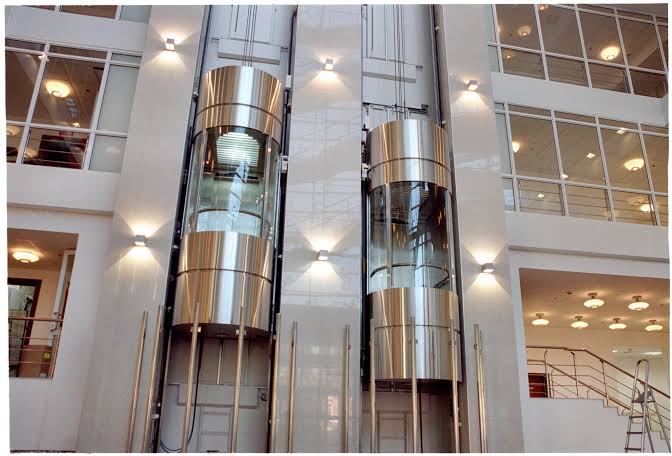
Elevators are an important part of modern buildings. They help people and goods move safely between different floors. From residential towers and hotels to hospitals, offices, shopping centers, and industrial facilities, elevators make buildings more accessible and convenient. Behind every reliable elevator is an experienced elevator manufacturer that designs, produces, tests, and supports the equipment.
Choosing the right manufacturer is an important decision for any construction or building project. A good company should offer safe products, modern technology, strong engineering, and dependable after-sales service. It should also understand the specific needs of different buildings and users. With many elevator manufacturers available in the global market, buyers should carefully compare product quality, customization options, certifications, maintenance services, and overall value.
What Is an Elevator Manufacturer?
An elevator manufacturer is a company that designs and produces elevator systems and their major components. These systems can include passenger elevators, freight elevators, hospital elevators, panoramic elevators, home elevators, and specialized industrial solutions.
A professional manufacturer normally handles several stages of production. These include engineering design, material selection, manufacturing, assembly, quality testing, and technical support. Some manufacturers also provide installation and maintenance services through their own teams or authorized partners.
Modern manufacturers use advanced technology to improve elevator performance. Computerized controls, energy-efficient motors, smart monitoring systems, automatic doors, and safety sensors are now common features. The right manufacturer can provide a solution that matches the building’s size, traffic level, design, and budget.
Types of Elevators Offered by Manufacturers
Different buildings require different elevator solutions. A reliable manufacturer usually provides several product categories to meet these requirements.
Common types include:
- Passenger elevators for residential and commercial buildings
- Freight elevators for transporting heavy materials
- Hospital elevators designed for beds and medical equipment
- Home elevators for private residences
- Panoramic elevators with glass or transparent sections
- Hydraulic elevators for specific building applications
- Machine-room-less elevators for space-saving projects
- High-speed elevators for tall buildings
- Service elevators for hotels, restaurants, and commercial facilities
- Automobile elevators for parking and vehicle transportation
Each type has different specifications. A professional manufacturer can help customers select the appropriate capacity, speed, dimensions, control system, and safety features.
Why Elevator Quality Matters
Elevator quality directly affects safety, comfort, and operating costs. A poorly designed elevator may experience frequent breakdowns, uncomfortable movement, excessive noise, or higher maintenance requirements.
A trusted elevator manufacturer uses quality materials and carefully engineered components. Strong cabin structures, reliable door systems, durable cables, efficient motors, and accurate control systems contribute to long-term performance.
Quality testing is also essential. Elevators should be tested under different operating conditions before delivery. Proper testing helps identify potential problems and ensures that the system performs according to its intended specifications.
Important Safety Features
Safety should always be a priority when selecting an elevator. Modern systems include several features designed to protect passengers and equipment.
Important safety technologies can include emergency brakes, door sensors, overload protection, emergency alarms, backup power systems, and automatic leveling controls. Some elevators also include emergency communication systems that allow passengers to contact building personnel.
The manufacturer should design the elevator according to applicable local and international safety requirements. Buyers should ask for technical documentation and certification information before purchasing an elevator system.
Energy-Efficient Elevator Technology
Energy efficiency has become increasingly important for modern buildings. Elevators operate many times each day, so efficient technology can help reduce electricity consumption.
Modern manufacturers may use gearless traction machines, regenerative drives, LED lighting, efficient motors, and standby modes. Regenerative systems can recover some energy generated during elevator operation and return it to the building’s electrical system.
Energy-efficient elevators can be especially useful in hotels, offices, shopping centers, and residential towers where elevators experience heavy daily use. Lower energy consumption can contribute to reduced operating costs over the lifetime of the equipment.
Customization Options
Every building has different requirements. For this reason, customization is an important service offered by many elevator manufacturers.
Customers may be able to select cabin dimensions, finishes, flooring, lighting, control panels, doors, handrails, and exterior designs. The elevator can also be configured according to required speed and passenger capacity.
Architectural projects may require special finishes that match the building’s interior. For example, luxury hotels may prefer premium materials, while industrial buildings may prioritize durability and load capacity.
The Role of Smart Elevator Technology
Technology has changed the way elevators operate. Smart elevator systems can provide useful information about usage, maintenance, and performance.
Internet-connected monitoring systems can help building managers identify problems before they become serious failures. Some systems collect information about operating cycles, door performance, motor activity, and error conditions.
Destination-control systems can also improve traffic management in busy buildings. Instead of simply pressing a floor button inside the cabin, passengers select their destination before entering. The system can then group passengers traveling to similar floors.
How to Choose the Right Elevator Manufacturer
Selecting a manufacturer requires careful research. Buyers should consider several factors before making a final decision.
A useful checklist includes:
- Product quality and durability
- Industry experience
- Safety certifications
- Available elevator types
- Customization options
- Energy efficiency
- Installation support
- Spare parts availability
- Maintenance services
- Warranty coverage
- Technical support
- Delivery times
- Total project cost
Price should not be the only deciding factor. A cheaper elevator may become more expensive if it requires frequent repairs or has limited spare-part availability. Buyers should consider the total cost of ownership instead.
Installation and Maintenance Services
Professional installation is essential for elevator safety and performance. Even a high-quality elevator can develop problems if it is installed incorrectly.
An experienced manufacturer or authorized installation team should follow proper installation procedures. After installation, the system should be inspected and tested before regular use.
Maintenance is equally important. Regular inspections can help identify worn components, door problems, electrical issues, and other potential faults. Preventive maintenance can reduce unexpected downtime and extend equipment life.
Elevator Manufacturer and Long-Term Support
A strong relationship with the manufacturer can continue for many years after installation. Elevators are long-term building investments, so reliable technical support is valuable.
Manufacturers should provide replacement parts, maintenance guidance, troubleshooting assistance, and technical documentation. Fast access to genuine parts can reduce repair delays.
Customers should also ask about warranty terms and service coverage before signing a purchase agreement. Clear communication about responsibilities can prevent problems later.
Cost Factors to Consider
Elevator prices vary depending on several factors. Capacity, speed, building height, technology, cabin materials, doors, control systems, installation requirements, and customization can all affect the final cost.
A complete project budget should include more than the purchase price. Installation, electrical work, maintenance, inspections, replacement parts, and energy consumption may also contribute to the total cost.
The best approach is to compare several detailed quotations. Buyers should ensure that each quotation covers similar specifications so they can make a fair comparison.
Future Trends in Elevator Manufacturing
The elevator industry continues to develop with new technologies and building requirements. Smart monitoring, energy-efficient systems, touchless controls, advanced destination management, and improved connectivity are becoming more important.
Sustainability is also influencing elevator design. Manufacturers are developing systems that consume less energy and use more efficient components.
As cities become more crowded and buildings become taller, elevators will continue to play a major role in urban transportation. Manufacturers that combine safety, efficiency, connectivity, and attractive design will remain important partners for modern construction projects.
Conclusion
Choosing the right elevator manufacturer is an important step toward creating a safe, efficient, and comfortable building. A reliable manufacturer should offer high-quality equipment, modern technology, strong safety systems, customization, professional installation, and dependable after-sales support.
Before making a decision, buyers should compare manufacturers based on experience, certifications, product quality, maintenance services, energy efficiency, spare parts, warranty coverage, and total operating costs. The right partner can provide an elevator system that performs reliably for many years.
Whether the project involves a residential building, hospital, hotel, office tower, factory, or private home, working with an experienced manufacturer can make the entire elevator installation process smoother. A carefully selected elevator system is not only a transportation solution but also a long-term investment in building safety, accessibility, and convenience.
