

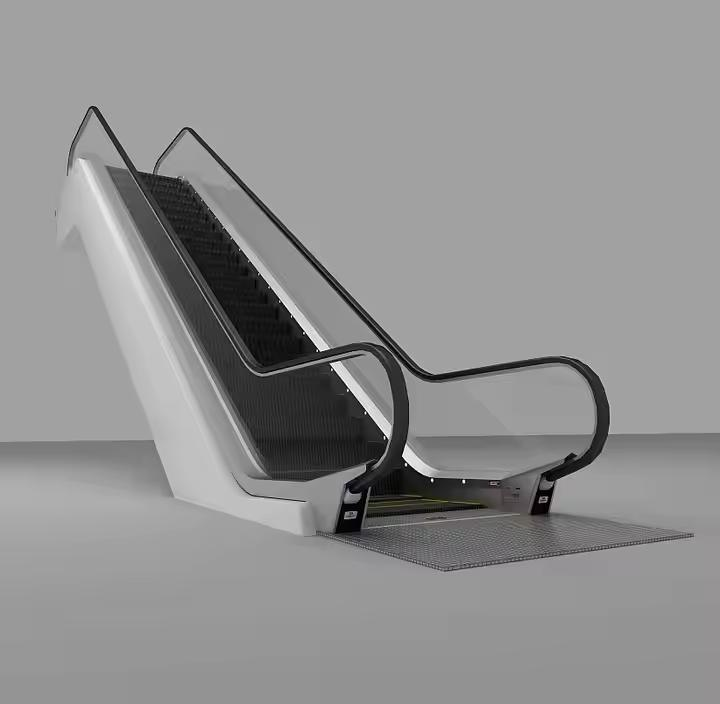
Escalators are an important part of modern transportation systems, helping people move efficiently between different floors in shopping malls, airports, railway stations, hotels, office buildings, hospitals, and other large public spaces. Behind every reliable escalator is an experienced escalator manufacturer that designs, produces, tests, and supports the equipment. Choosing the right manufacturer is essential because escalators must provide safe, comfortable, and continuous service while meeting strict technical requirements.
What Is an Escalator Manufacturer?
An escalator manufacturer is a company that specializes in designing and producing escalator systems for commercial, industrial, and public buildings. Manufacturers may offer complete escalator solutions, including engineering, manufacturing, installation support, testing, maintenance, and replacement parts.
A professional manufacturer focuses on more than simply producing an escalator. It considers the building’s structure, expected passenger volume, available space, travel height, operating environment, energy requirements, safety standards, and aesthetic preferences. This approach helps ensure that the final system performs effectively throughout its expected service life.
Why Choosing the Right Escalator Manufacturer Matters
Selecting an experienced escalator manufacturer can have a major effect on safety, reliability, maintenance costs, and passenger experience. Escalators operate continuously in many busy environments, meaning even a small technical problem can cause inconvenience and costly downtime.
A reliable manufacturer generally uses quality materials, modern engineering methods, advanced safety systems, and controlled manufacturing processes. It should also provide clear technical documentation and dependable after-sales support.
The right manufacturer can help building owners select equipment that matches their requirements instead of purchasing a system based only on price. A properly selected escalator can provide smoother operation, better energy efficiency, and lower maintenance requirements over time.
Key Features of Modern Escalators
Today’s escalators include several technologies designed to improve safety, performance, comfort, and efficiency. Modern systems may include automatic braking systems, emergency stop buttons, handrail speed monitoring, step monitoring, obstruction detection, and other protective features.
Energy-saving technologies are also becoming increasingly important. Some escalators can reduce their operating speed when passenger demand is low and return to normal speed when passengers approach. Efficient motors, improved control systems, and LED lighting can further reduce energy consumption.
Manufacturers also offer different finishes and design options. Stainless steel, glass balustrades, customized lighting, and decorative panels can help an escalator complement the architectural design of a modern building.
Escalator Types Available From Manufacturers
An experienced escalator manufacturer may provide several types of systems depending on the project.
Commercial escalators are commonly installed in shopping centers, department stores, and retail complexes where passenger traffic can be high. Heavy-duty escalators are designed for environments such as airports, metro stations, and railway terminals where the equipment may operate for long periods with large numbers of passengers.
Outdoor escalators require additional protection against weather conditions, moisture, temperature changes, and corrosion. Indoor escalators are generally designed for controlled environments and can provide greater flexibility in appearance and materials.
Manufacturers may also produce different configurations based on the available space and floor layout. Selecting the appropriate type requires careful evaluation of the building and expected traffic.
Safety Standards and Quality Control
Safety should always be one of the most important considerations when selecting an escalator manufacturer. Escalators carry large numbers of people, so manufacturers must follow applicable safety requirements and industry standards.
Quality control should be applied throughout the manufacturing process. Components such as steps, chains, motors, handrails, braking systems, sensors, and control equipment should be carefully inspected and tested.
A reputable manufacturer should be able to explain the safety features incorporated into its products and provide appropriate documentation. Buyers should also confirm that the equipment is suitable for the regulations and requirements applicable to the intended installation location.
How to Choose an Escalator Manufacturer
There are several factors businesses should consider before selecting a manufacturer. First, examine the company’s experience and history in the vertical transportation industry. An established manufacturer may have experience with different building types and challenging installation environments.
Next, evaluate the product range. A manufacturer that offers multiple escalator configurations may be better positioned to provide a solution suited to a specific project.
Technical support is another important factor. Ask about installation assistance, maintenance services, spare parts availability, troubleshooting, and warranty coverage. Reliable support can reduce downtime and make long-term ownership easier.
It is also useful to review previous projects and customer feedback. Successful installations in similar buildings can provide valuable insight into the manufacturer’s capabilities.
Importance of Installation and Maintenance
Even a high-quality escalator requires professional installation and regular maintenance. Incorrect installation can affect performance and may create unnecessary safety risks.
Routine maintenance helps identify worn components before they become major problems. Maintenance teams can inspect steps, chains, handrails, motors, brakes, sensors, and other important components. Cleaning and lubrication may also be required according to the manufacturer’s recommendations.
A good escalator manufacturer should provide maintenance guidelines and make replacement parts available when needed. Long-term support is particularly important for large facilities where escalators may operate for many hours each day.
Energy Efficiency in Escalator Design
Energy efficiency has become an important consideration for modern buildings. Escalators can consume significant amounts of electricity when operating continuously, particularly in busy commercial and transportation facilities.
Modern manufacturers are developing systems that use intelligent controls to match escalator operation with passenger demand. Standby modes, variable-speed operation, efficient motors, and improved control technology can help reduce unnecessary energy consumption.
Choosing an energy-efficient escalator can contribute to lower operating costs and support broader building sustainability goals. For large facilities with several escalators, even small efficiency improvements can result in meaningful long-term savings.
Customization and Architectural Design
Escalators are functional transportation systems, but they can also become an important part of a building’s visual appearance. Many manufacturers provide customization options to match different architectural styles.
Glass balustrades can create an open and modern appearance, while stainless-steel finishes can provide a clean and professional look. Lighting systems and customized panels can also be incorporated into certain designs.
For shopping centers, airports, luxury hotels, and other high-profile buildings, customized escalator designs can help create a distinctive passenger environment while maintaining the required technical performance.
The Future of Escalator Manufacturing
The escalator industry continues to evolve as buildings become smarter and more energy efficient. Digital monitoring, connected control systems, predictive maintenance, and improved sensor technology are expected to play an increasingly important role.
Smart monitoring systems can help operators identify unusual equipment behavior and schedule maintenance before a serious failure occurs. This can improve reliability and reduce unexpected downtime.
Manufacturers are also likely to continue focusing on energy efficiency, durable materials, improved passenger comfort, and environmentally responsible production processes.
Conclusion
Choosing the right escalator manufacturer is an important decision for any project that requires reliable vertical transportation. A professional manufacturer can provide much more than equipment by offering engineering expertise, safety-focused design, quality control, installation support, maintenance guidance, and long-term technical assistance.
When comparing manufacturers, consider experience, product quality, safety features, customization options, energy efficiency, warranty terms, spare parts availability, and after-sales service. By selecting a capable and dependable escalator manufacturer, building owners and developers can create a transportation system that provides safe, comfortable, efficient, and reliable service for many years.
