

For decades, Mad Magazine has stood as one of the most influential satirical publications in modern history. Known for its sharp humor, fearless parody, and cultural commentary, Mad Magazine reshaped how audiences consumed comedy, politics, entertainment, and media criticism. What began as a comic book in the early 1950s evolved into a cultural institution that influenced generations of writers, comedians, and artists.
This article explores the full story of Mad Magazine—its origins, evolution, iconic characters, cultural impact, controversies, decline in print, and lasting legacy in today’s digital world.
Mad Magazine and Its Origins
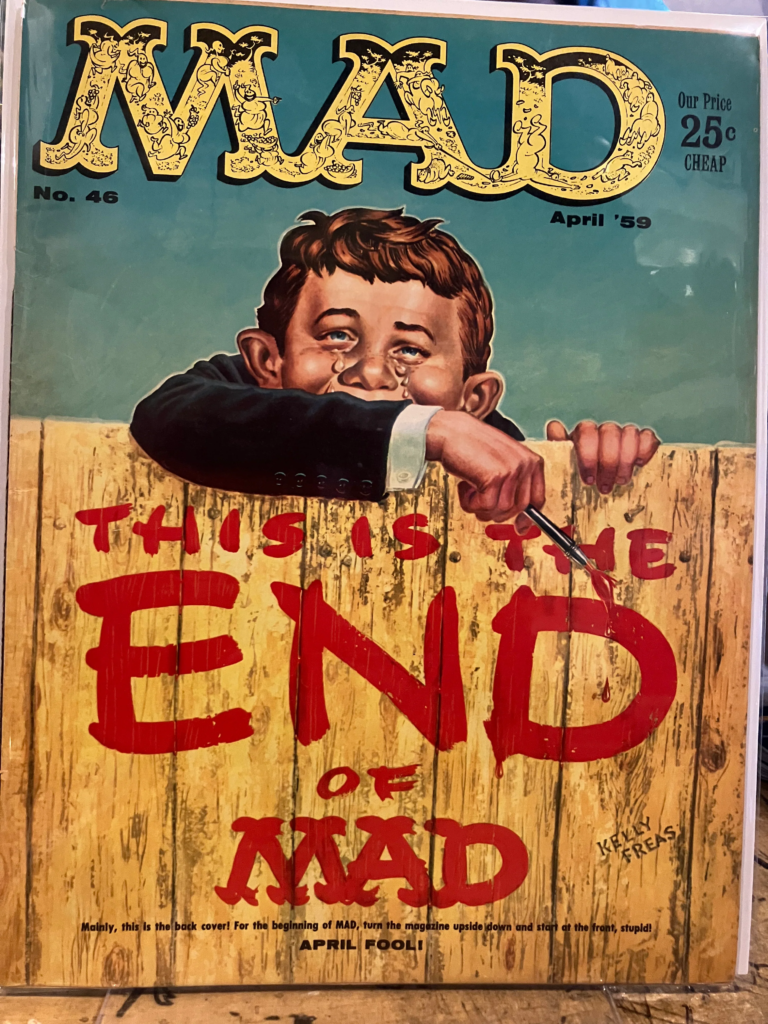
Mad Magazine was first published in 1952 by EC Comics, founded by publisher William Gaines. Initially launched as a comic book, Mad was created by editor Harvey Kurtzman as a parody of popular comic trends of the time.
Unlike traditional comics, Mad Magazine focused on satire rather than superheroes or adventure. It mocked everything—from Westerns and horror stories to advertisements and social norms. This unique approach quickly distinguished Mad from other publications.
Its early success demonstrated that audiences were hungry for intelligent, irreverent humor that challenged mainstream culture.
Mad Magazine’s Transition From Comic Book to Magazine Format
In 1955, Mad Magazine made a pivotal decision that would define its future: it transitioned from a comic book into a magazine format.
This change was strategic. Comic books were subject to the Comics Code Authority, which imposed strict content regulations. By becoming a magazine, Mad avoided censorship and gained creative freedom.
This allowed Mad Magazine to push boundaries further, tackle political satire, and adopt a more sophisticated tone that appealed to teenagers and adults alike.
Mad Magazine and Alfred E. Neuman
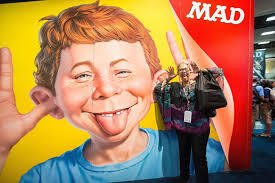
One of the most recognizable elements of Mad Magazine is its mascot, Alfred E. Neuman. With his buck-toothed grin and carefree expression, Alfred became the face of the publication.
His famous catchphrase, “What, me worry?” perfectly captured the magazine’s irreverent attitude. Alfred E. Neuman symbolized Mad’s refusal to take authority seriously.
Over time, he became one of the most iconic figures in American pop culture, instantly associated with satire and parody.
Mad Magazine’s Unique Satirical Style
What made Mad Magazine truly special was its distinct style of satire. Rather than focusing solely on jokes, Mad used layered humor—visual gags, wordplay, parody articles, fake advertisements, and illustrated spoofs.
Mad Magazine didn’t just make people laugh; it made them think. It taught readers to question authority, media messaging, and consumer culture.
This approach helped shape critical thinking skills, especially among younger readers who were encountering satire for the first time.
Mad Magazine and Political Satire
Political satire became a major component of Mad Magazine as it matured. It mocked politicians from all sides without allegiance to any party.
Mad’s political humor was blunt, clever, and often uncomfortable—but always aimed at exposing hypocrisy. This fearless approach inspired later satirical platforms like television comedy shows and online satire websites.
Long before satire became mainstream, Mad Magazine proved that humor could be a powerful tool for social commentary.
Mad Magazine’s Influence on Comedy and Entertainment
The influence of Mad Magazine extends far beyond print media. Many famous comedians, writers, and filmmakers have credited Mad as a major inspiration.
Notable figures influenced by Mad Magazine include:
- Late-night television writers
- Stand-up comedians
- Screenwriters and cartoonists
Mad’s style of parody helped shape modern sketch comedy, animated satire, and late-night humor. Its legacy is deeply embedded in today’s entertainment industry.
Mad Magazine and Parody of Popular Culture
One of Mad Magazine’s greatest strengths was its ability to parody popular culture. Movies, TV shows, celebrities, music, and trends were all fair game.
From blockbuster films to children’s cartoons, Mad Magazine dissected cultural phenomena with razor-sharp humor. These parodies were often more memorable than the original works they mocked.
This ability to stay current kept Mad relevant for decades and made it a must-read for pop culture fans.
Mad Magazine’s Artwork and Illustrations
The artwork in Mad Magazine played a crucial role in its success. Artists like Mort Drucker became legendary for their detailed caricatures and expressive illustrations.
Mad’s visual satire complemented its written humor perfectly. Readers could spend hours discovering hidden jokes within illustrations.
This visual complexity set Mad Magazine apart from other humor publications and made each issue highly engaging.
Mad Magazine and Its Impact on Youth Culture
For generations of young readers, Mad Magazine served as an introduction to satire, skepticism, and independent thinking.
Mad encouraged readers to:
- Question advertising
- Laugh at authority
- Recognize media manipulation
This influence on youth culture was profound. Mad Magazine helped shape a more media-literate audience long before digital literacy became a common topic.
Mad Magazine and Controversies
Given its provocative nature, Mad Magazine was no stranger to controversy. Some critics accused it of being disrespectful or inappropriate for younger readers.
However, Mad defended its work as satire, not cynicism. Its goal was not to offend but to challenge assumptions and expose absurdity.
These controversies often increased Mad’s popularity, reinforcing its image as a rebellious voice against conformity.
Mad-Magazine’s Evolution Over the Decades
As society changed, Mad-Magazine evolved with it. Its tone, topics, and presentation adapted to new cultural realities.
During different decades, Mad addressed:
- Cold War anxieties
- Civil rights movements
- Technological change
- Celebrity culture
While its core identity remained intact, Mad-Magazine continuously refreshed its content to stay relevant.
Mad-Magazine and the Rise of Digital Media
The rise of the internet presented challenges for Mad-Magazine. Free online content and changing media habits affected print publications across the board.
Despite these challenges, Mad attempted to adapt by embracing digital platforms and online humor. However, competing with fast-paced internet satire proved difficult.
This shift marked a turning point in Mad-Magazine’s long history.
Mad-Magazine’s Decline in Print Publishing
In the late 2010s, Mad-Magazine significantly reduced its print operations. New content became less frequent, and reprints became more common.
This decision reflected broader changes in the publishing industry rather than a lack of cultural relevance. Print magazines struggled to survive in a digital-first world.
Even as its print presence declined, Mad-Magazine’s influence remained strong.
Mad-Magazine’s Lasting Legac
The legacy of Mad-Magazine is undeniable. It laid the foundation for modern satire and influenced countless creators across multiple mediums.
Mad’s greatest achievement may be teaching generations how to laugh critically—finding humor not just in jokes, but in truth.
Its spirit lives on in comedy shows, editorial cartoons, and satirical websites around the world.
Mad-Magazine in Modern Pop Culture
Even today, references to Mad-Magazine appear in movies, television, and online discussions. Alfred E. Neuman remains instantly recognizable.
Mad’s humor style continues to inspire creators who challenge norms and question authority through comedy.
Its cultural footprint proves that truly impactful art never disappears—it evolves.
Mad-Magazine and Media Literacy
One of the most important contributions of Mad-Magazine was its role in promoting media literacy.
By parodying advertisements and news formats, Mad taught readers to:
- Identify bias
- Understand persuasion techniques
- Think independently
This educational aspect made Mad-Magazine more than entertainment—it became a learning tool disguised as humor.
Why Mad-Magazine Still Matters Today
In an era of misinformation and media overload, the values promoted by Mad-Magazine are more relevant than ever.
Critical thinking, skepticism, and humor remain essential tools for navigating modern society. Mad’s approach encourages readers not to accept everything at face value.
That mindset is timeless.
Final Thoughts on Mad-Magazine
Mad Magazine was never just a magazine—it was a movement. Through satire, parody, and fearless commentary, it changed how people viewed media, politics, and culture.
Its influence continues to echo across generations, proving that humor can be both entertaining and transformative.
Even in a digital age, Mad-Magazine stands as a reminder that questioning authority and laughing at absurdity are powerful acts.
