

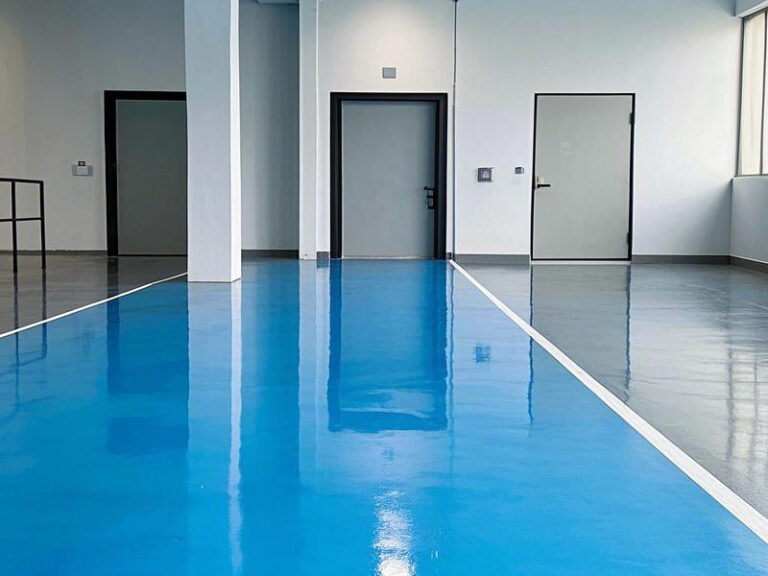
A durable and attractive floor begins with the right floor coating supplies. Whether you are renovating a residential garage, upgrading a commercial showroom, or protecting an industrial warehouse, selecting high-quality supplies is essential for achieving a professional finish. The right products not only improve the appearance of your floors but also increase their resistance to wear, chemicals, moisture, and heavy traffic.
From surface preparation equipment to primers, coatings, decorative additives, and application tools, every item plays an important role in the success of a flooring project. This guide explores the essential floor coating supplies you need, explains their purpose, and provides practical tips to help you choose the best products for your specific application.
Table of Contents
- What Are Floor Coating Supplies?
- Why Quality Floor Coating Supplies Matter
- Essential Floor Coating Supplies
- Surface Preparation Materials
- Types of Floor Coatings
- Application Tools and Equipment
- Decorative Floor Coating Options
- Safety Equipment for Floor Coating Projects
- How to Choose the Right Floor Coating Supplies
- Common Mistakes to Avoid
- Benefits of Premium Floor Coating Supplies
- Maintenance Tips for Coated Floors
- Frequently Asked Questions
- Conclusion
What Are Floor Coating Supplies?
Floor coating supplies include all the products, materials, and equipment required to prepare, repair, coat, and finish concrete or other flooring surfaces. These supplies help create durable floors that resist stains, chemicals, moisture, abrasions, and everyday wear.
Professional contractors and DIY homeowners use floor coating supplies for garages, warehouses, factories, hospitals, schools, retail stores, restaurants, workshops, and residential basements. A complete flooring system usually includes surface preparation tools, repair compounds, primers, coating materials, decorative additives, and application equipment.
Using compatible, high-quality products helps ensure better adhesion, smoother application, and a longer-lasting finish.
Why Quality Floor Coating Supplies Matter
Choosing premium floor coating supplies offers several long-term advantages. High-quality materials are designed to work together, reducing installation issues while improving overall performance.
Some important benefits include:
- Stronger adhesion to concrete
- Better chemical resistance
- Increased durability
- Enhanced moisture protection
- Attractive professional finish
- Easier application
- Reduced maintenance
- Longer service life
Investing in quality supplies often lowers repair costs because properly installed coatings require fewer touch-ups over time.
Essential Floor Coating Supplies
Every successful flooring project begins with the right collection of materials and tools.
Typical floor coating supplies include:
- Concrete cleaner
- Industrial degreaser
- Crack filler
- Concrete patch compound
- Floor primer
- Epoxy coating
- Polyurethane coating
- Polyaspartic coating
- Mixing buckets
- Measuring containers
- Roller covers
- Paint brushes
- Squeegees
- Mixing paddles
- Decorative flakes
- Quartz sand
- Anti-slip additives
- Protective gloves
- Safety glasses
- Respirators
Having every necessary item available before starting the project saves time and improves installation efficiency.
Surface Preparation Materials
Surface preparation is one of the most important stages of floor coating installation. A properly prepared surface allows the coating to bond securely with the concrete.
Common preparation supplies include:
- Concrete grinders
- Shot blasters
- Floor scarifiers
- Wire brushes
- Industrial vacuums
- Pressure washers
- Moisture testing kits
Grinding removes weak concrete and previous coatings, while industrial vacuums eliminate dust that could interfere with adhesion. Moisture testing is equally important because excess moisture can cause coating failure.
Types of Floor Coatings
Different flooring environments require different coating systems.
Epoxy Floor Coatings
Epoxy coatings are widely used because they provide exceptional durability and chemical resistance. They are ideal for garages, workshops, warehouses, and manufacturing facilities where heavy equipment and vehicle traffic are common.
Polyurethane Coatings
Polyurethane coatings offer excellent flexibility and superior UV resistance. They are suitable for commercial buildings, outdoor applications, and areas exposed to sunlight.
Polyaspartic Coatings
Polyaspartic coatings cure quickly, making them perfect for projects requiring minimal downtime. They provide excellent abrasion resistance and long-lasting performance.
Acrylic Coatings
Acrylic coatings are commonly used for decorative concrete and light-duty residential applications. They are affordable, easy to apply, and resistant to weather conditions.
Application Tools and Equipment
Even premium coatings require quality tools for proper installation.
Important application tools include:
- Roller frames
- Epoxy rollers
- Flat squeegees
- Notched squeegees
- Paint brushes
- Extension poles
- Drill mixers
- Mixing paddles
- Spiked shoes
- Masking tape
- Plastic sheeting
Using professional-grade tools helps create smooth, even coatings while reducing roller marks and application errors.
Decorative Floor Coating Options
Decorative materials improve both the appearance and functionality of coated floors.
Popular decorative options include:
- Vinyl color flakes
- Metallic pigments
- Quartz aggregates
- Decorative chips
- Colored sand
- Anti-slip additives
Color flakes create attractive multi-colored finishes that hide imperfections, while metallic pigments produce stunning three-dimensional effects. Anti-slip additives improve safety in wet or high-traffic areas.
Safety Equipment for Floor Coating Projects
Safety should always be a priority when working with floor coating materials.
Recommended protective equipment includes:
- Nitrile gloves
- Safety goggles
- Respirators
- Protective clothing
- Steel-toe boots
- Ear protection
- Knee pads
Proper ventilation is also essential, especially when working with solvent-based coatings or industrial flooring systems.
How to Choose the Right Floor Coating Supplies
Selecting the best floor coating supplies depends on several important factors.
Consider the following before purchasing:
- Type of flooring surface
- Indoor or outdoor application
- Amount of foot traffic
- Vehicle traffic
- Exposure to chemicals
- Moisture levels
- Desired appearance
- Budget
- Drying and curing time
- Long-term maintenance needs
Residential garage floors typically perform well with epoxy systems, while commercial and industrial environments may require polyaspartic or polyurethane coatings for added durability.
Common Mistakes to Avoid
Many flooring failures occur because installers overlook important preparation steps.
Avoid these common mistakes:
- Skipping surface preparation
- Ignoring moisture testing
- Incorrect mixing ratios
- Applying coatings during extreme temperatures
- Using poor-quality rollers
- Applying uneven coating thickness
- Walking on the floor before curing
- Neglecting safety equipment
Following manufacturer instructions carefully helps achieve better results and extends the life of the flooring system.
Benefits of Premium Floor Coating Supplies
Professional-grade floor coating supplies deliver exceptional long-term value.
Major advantages include:
- Superior wear resistance
- Better stain protection
- Excellent chemical resistance
- Improved moisture barrier
- Enhanced appearance
- Reduced maintenance costs
- Longer coating lifespan
- Increased property value
Although premium products cost more initially, they often provide greater savings through improved durability and lower maintenance requirements.
Maintenance Tips for Coated Floors
Proper maintenance keeps coated floors looking their best.
Helpful maintenance practices include:
- Sweep or vacuum regularly.
- Clean spills immediately.
- Use pH-neutral floor cleaners.
- Avoid harsh chemicals unless approved.
- Inspect the floor for scratches or damage.
- Place protective pads under heavy equipment.
- Reapply protective topcoats when recommended.
Routine care extends the lifespan of the coating and preserves its appearance.
Frequently Asked Questions
What are floor coating supplies?
Floor coating supplies include all the tools, equipment, and materials needed to prepare, coat, and maintain flooring surfaces.
Which floor coating is the most durable?
Epoxy and polyaspartic coatings are among the most durable options for residential and industrial applications.
Is a primer necessary?
Yes. Primers improve adhesion, reduce air bubbles, and create a stronger bond between the concrete and the coating.
Can homeowners apply floor coatings themselves?
Yes, many DIY kits are available, but larger or more demanding projects are often best handled by experienced professionals.
How long do coated floors last?
With proper installation and maintenance, quality floor coatings can last 10 to 20 years or even longer.
Are decorative flakes only for appearance?
No. Decorative flakes also improve slip resistance, hide surface imperfections, and enhance the durability of the finished floor.
Conclusion
Choosing the right floor coating supplies is essential for achieving durable, attractive, and long-lasting flooring. Every stage of the installation process—from cleaning and surface preparation to coating application and maintenance—depends on using reliable materials and professional-grade tools. Whether you are working on a residential garage, commercial showroom, or industrial warehouse, investing in quality floor coating supplies helps ensure excellent adhesion, improved durability, enhanced appearance, and lower maintenance costs. By selecting the appropriate products and following proper installation techniques, you can enjoy a floor that delivers outstanding performance and value for many years.
