

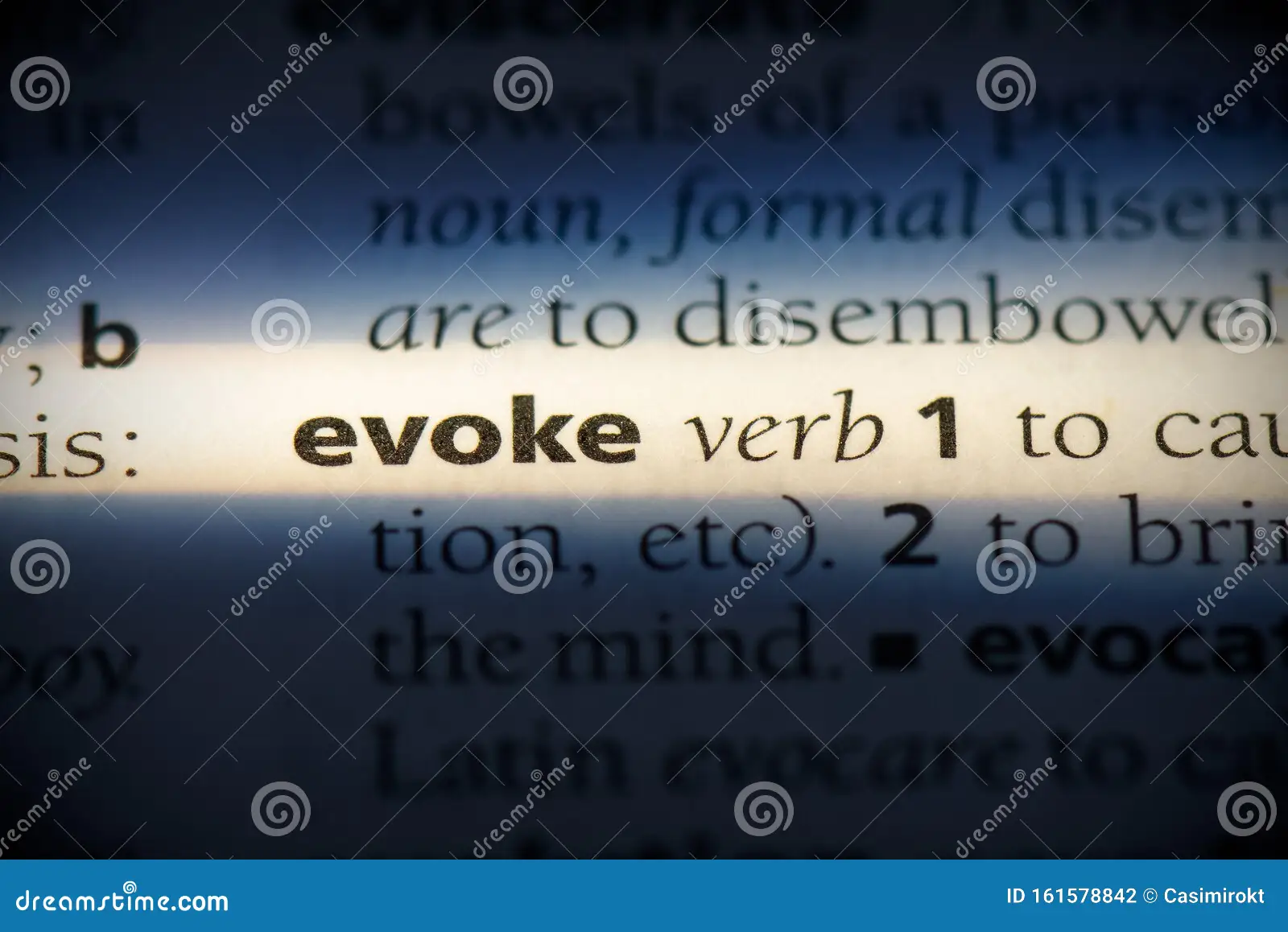
Understanding the meaning of words helps us communicate more clearly and express emotions more effectively. One such powerful word in the English language is “evoke.” Many people search online for evoke meaning to understand how this word works, when to use it, and what it truly represents.
In this detailed guide, we will explain the evoke meaning, its definition, origin, correct usage, examples, synonyms, differences from similar words, and real-life applications. By the end of this article, you will have a complete and clear understanding of how to use evoke confidently in speaking and writing.
What Is Evoke Meaning?
The evoke meaning refers to bringing something into the mind or memory. When you evoke something, you cause a feeling, image, memory, or idea to appear naturally in someone’s thoughts.

Simple Definition of Evoke
👉 Evoke means to bring out a feeling, memory, image, or idea in someone’s mind.
For example:
- A song can evoke memories.
- A smell can evoke childhood.
- A story can evoke emotions.
In all these cases, something triggers a mental or emotional response.
Evoke Meaning in Simple Words
For learners and beginners, the evoke meaning can be explained very simply.
👉 Evoke means to make someone feel or remember something.
Examples:
- The photo evoked happiness.
- The speech evoked hope.
- The place evoked memories.
So whenever something makes you suddenly remember or feel something deeply, it is said to evoke that emotion or memory.
Origin and History of Evoke Meaning
The word evoke comes from the Latin word “evocare”, which means:
- to call out
- to summon
- to bring forth
Originally, it referred to calling something out loudly. Over time, the meaning changed from a physical action to a mental and emotional one. Today, the evoke meaning mainly focuses on calling up feelings, ideas, and memories.
Evoke Meaning in Daily Language
In everyday English, evoke is commonly used when talking about:
- Emotions
- Memories
- Feelings
- Imagination
- Reactions
For example:
- That movie evoked sadness.
- His words evoked confidence.
- The music evoked nostalgia.
The evoke meaning always involves creating a response in the mind or heart.
Evoke Meaning in Emotional Context
One of the most common uses of evoke is related to emotions.
Examples:
- The letter evoked tears.
- The smile evoked joy.
- The news evoked fear.
Here, evoke describes how something causes an emotional reaction naturally.
Understanding this emotional aspect of the evoke meaning helps improve communication and storytelling.
Evoke Meaning in Writing and Literature
Writers often aim to evoke strong images and emotions in readers.
In literature, the evoke meaning is:
👉 To create mental pictures and emotional responses through words.
For example:
- A poem may evoke love.
- A novel may evoke sadness.
- A description may evoke fear.
Good writing does not just inform; it evokes feelings and imagination.
Evoke Meaning in Psychology
In psychology, the concept of evoking emotions or memories is very important.
Psychologists study how:
- Sounds evoke fear
- Smells evoke memories
- Images evoke emotions
For example:
- Trauma can evoke anxiety.
- Therapy may evoke hidden memories.
The evoke meaning here relates to how the brain responds to stimuli.
Examples That Clearly Explain Evoke Meaning
Here are some simple and practical sentences to understand the evoke meaning better:
- The painting evoked strong emotions.
- The old house evoked childhood memories.
- Her voice evoked calmness.
- The story evoked imagination.
- The aroma evoked hunger.
Each example shows how something brings a response into the mind or heart.
Evoke Meaning vs Similar Words
Many learners confuse evoke with similar words. Let’s clear the confusion.
Evoke vs Invoke
- Evoke: Bring a feeling or memory into the mind
- Invoke: Call upon something formally (law, authority, god)
Example:
- The music evoked joy.
- The lawyer invoked the law.
Evoke vs Provoke
- Evoke: Natural emotional reaction
- Provoke: Intentionally cause a reaction, often negative
Example:
- The song evoked peace.
- His insult provoked anger.
Evoke vs Elicit
- Evoke: Bring a feeling or memory
- Elicit: Draw out a response or answer
Example:
- The image evoked fear.
- The teacher elicited answers.
Why Evoke Meaning Is Important
Understanding the evoke meaning helps in many areas:
- Better communication
- Emotional expression
- Creative writing
- Marketing and advertising
- Teaching and learning
When you know how to evoke emotions, your words become more powerful and meaningful.
Evoke Meaning in Marketing and Advertising
Advertisers use emotions to influence customers. The goal is to evoke feelings that encourage action.
Examples:
- A family ad evokes warmth.
- A charity ad evokes sympathy.
- A luxury ad evokes desire.
In marketing, understanding the evoke meaning helps brands connect emotionally with audiences.
Evoke Meaning Through Senses
Human senses play a big role in evoking emotions and memories.
Smell
- Perfume can evoke romance.
- Food smell can evoke hunger.
Sound
- Music can evoke nostalgia.
- Alarms can evoke fear.
Sight
- Photos can evoke memories.
- Colors can evoke moods.
The evoke meaning often works strongly through sensory experiences.
Evoke-Meaning in Education
Teachers aim to evoke curiosity and interest in students.
Examples:
- Experiments evoke excitement.
- Stories evoke imagination.
- Questions evoke thinking.
Understanding how to evoke interest improves teaching effectiveness.
Evoke-Meaning in Art and Creativity
Artists want their work to evoke emotions.
- A painting may evoke sadness.
- A sculpture may evoke awe.
- A song may evoke love.
Art becomes meaningful when it successfully evokes feelings in the viewer.
Common Mistakes With Evoke-Meaning
Here are some common mistakes learners make:
❌ Wrong:
- He evoked the law in court.
✅ Correct:
- He invoked the law in court.
❌ Wrong:
- The teacher evoked answers.
✅ Correct:
- The teacher elicited answers.
Understanding these differences makes your English more accurate.
How to Use Evoke Correctly in Sentences
Practice sentences:
- The sunset evoked peace in my heart.
- The letter evoked memories of my family.
- His speech evoked courage in the crowd.
- The painting evoked deep emotions.
- Her smile evoked happiness.
These examples show correct and natural usage.
Evoke-Meaning in Emotional Intelligence
People with emotional intelligence understand how actions evoke feelings.
- Kind words evoke trust.
- Criticism evokes insecurity.
- Praise evokes confidence.
Being aware of the evoke meaning helps build better relationships.
Cultural Differences in Evoke-Meaning
Different cultures respond differently to stimuli.
- Colors evoke different emotions
- Music evokes different moods
- Symbols evoke different meanings
So the evoke meaning may change depending on cultural background.
Benefits of Understanding Evoke Meani
Knowing this word well helps you:
- Write better essays
- Speak more emotionally
- Understand literature deeply
- Communicate clearly
- Improve vocabulary
The evoke meaning adds depth to your language skills.
Frequently Asked Questions About Evoke-Meaning
What is evoke-meaning in simple terms?
Evoke means to make someone feel or remember something.
Is evoke positive or negative?
It can be both. You can evoke happiness or evoke sadness.
Can memories be evoked?
Yes. Smells, sounds, and images often evoke memories.
Is evoke formal English?
It is neutral and suitable for both formal and informal use.
Final Thoughts on Evoke-Meaning
The evoke-meaning is simple yet powerful. It refers to bringing feelings, memories, or ideas into the mind. Whether in writing, psychology, education, marketing, or daily conversation, evoke helps express emotional depth and mental response.
Summary:
- Evoke = bring forth feelings or memories
- Used in emotions, writing, psychology, art, and marketing
- Powerful word for expression and creativity
