

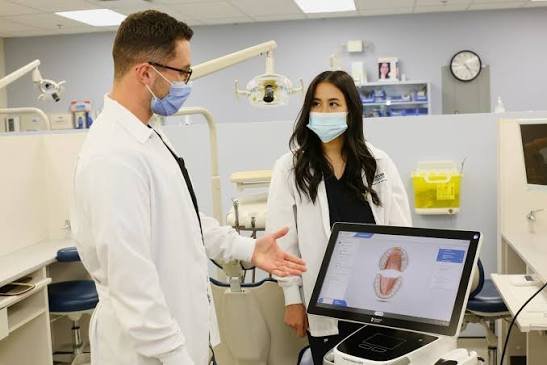
Dental visits used to have a fairly simple routine. Sit down, open wide, try not to flinch at the shiny tools, then head out with a card in hand and a slight fear of the bill. These days, the scene is shifting. Across Australia, dental care is getting a proper upgrade, with smart tech changing how people book, check, treat, and track their oral health. It is not just about fancy gadgets for the sake of it either. A lot of this gear is making care faster, calmer, and, thankfully, less of a drama.
Walk into a modern clinic and you may find digital scans replacing old moulds, software helping dentists spot issues earlier, and appointment systems that save everyone from the usual phone tag. For patients, that means fewer awkward surprises and a more comfortable experience. For clinics, it means sharper records, quicker decisions, and a better way to keep things ticking along.
Digital scans are replacing the messy stuff
Anyone who has had traditional dental impressions knows they are not exactly a thrill. That gloopy tray business is enough to make some people gag before the appointment has even got going. Digital scanning has changed that part of the game quite a bit. A small handheld scanner maps the teeth and gums in real time, creating a detailed 3D image on screen.
This has made a real difference for crowns, bridges, aligners, and other treatments where precision matters. The scan is quick, clean, and much easier to repeat if needed. Patients often like seeing their own teeth on screen too. It feels oddly satisfying, a bit like getting a behind-the-scenes look at your own mouth, minus the horror movie soundtrack.
Smarter software means faster decisions
One of the biggest changes in personal healthcare is not always the equipment you can see. Often it is the software working quietly in the background. Dental clinics now use digital records, imaging tools, and systems that help compare past and present scans. That makes it easier to notice small changes before they turn into larger problems.
This is where technology starts pulling its weight in a very practical way. A chipped filling, a suspicious patch, or gum changes can be tracked more closely. In many cases, treatment can begin earlier, which usually means less fuss later. That sort of early action can save time, money, and a fair bit of stress.
For people looking for a local dentist in Australia, this kind of setup can make the whole experience feel more organised and less old-fashioned. It is a small change on the surface, but it often makes appointments smoother from start to finish.
Telehealth has found a place in dental care too
Telehealth got plenty of attention during the pandemic, and while it is not the answer to everything, it has settled into a useful role. Some dental clinics now offer virtual consultations for initial chats, follow-ups, or quick questions about symptoms. That can be handy for people in regional areas, where a trip to the clinic may involve a decent drive and half a tank of petrol.
Of course, a screen cannot replace a proper examination when something needs hands-on treatment. Still, for triage, advice, and planning, it has become a decent tool. In Australia, where distance can be a real issue depending on where you live, that flexibility matters. It is one less hurdle for people already juggling work, family, and the general madness of life.
Better imaging leads to better conversations
There is something reassuring about seeing what the dentist sees. New imaging tools give clearer pictures of teeth, bone, and surrounding tissue, which helps explain treatment in a way that feels less vague. Instead of hearing, “there is a bit of a problem back there,” patients can actually see the issue on the screen.
That tends to make the chat more honest and less intimidating. When people understand what is happening, they usually feel more confident about agreeing to treatment or asking sensible questions. Nobody likes being left in the dark, especially when sharp instruments are involved.
Why that matters for everyday patients
Clear imaging can reduce confusion, cut down on guesswork, and make treatment planning feel much more straightforward. It also helps people compare options without feeling rushed. A simple visual can say more than a whole page of jargon ever could.
Personalised care is getting sharper
Not every mouth behaves the same way, which is exactly why personal healthcare has started moving towards more tailored treatment. Technology helps dentists build a better picture of each patient’s history, habits, and risk factors. That might include checking how often decay appears, whether gums are receding, or if jaw issues keep cropping up.
With that kind of information, treatment plans can be adjusted to suit the individual rather than a one-size-fits-all approach. Some people need more monitoring. Others need help with alignment. Some need nothing more than a bit of guidance and a clean every now and then. Technology helps sort out the difference without turning everything into guesswork.
Remote reminders and online booking are quietly useful
Not every tech upgrade has to sound dramatic. Sometimes the most useful thing is simply making it easier to remember an appointment. Online booking, automatic reminders, and digital forms have saved many Australians from the old “I forgot again” routine. Handy, really.
These tools suit busy households, shift workers, and parents trying to manage a dozen things at once. They also reduce waiting times at reception and keep records neater. Small stuff, yes, but small stuff often makes the biggest difference in daily life.
AI tools are starting to assist, not replace
There has been plenty of chatter about AI in healthcare, and dentistry is no exception. In clinics, it is being used more as a support tool than a replacement for human judgement. Some systems can help analyse scans, spot patterns, or flag areas that deserve a closer look.
That does not mean the dentist hands everything over to a machine and takes the afternoon off. Far from it. The skill still lies in the diagnosis, the explanation, and the treatment itself. Tech just adds another layer of support. Think of it as a sharp assistant rather than the one running the whole show.
What this means for dental care across Australia
Australia has a mixed healthcare landscape, with city clinics often moving quickly and regional practices balancing technology with distance and access. That makes this shift especially interesting. Smart dental care is not just about polished clinics in big suburbs. It is also about helping smaller communities get better access to planning, advice, and follow-up care.
For patients, the benefits are fairly clear. Shorter appointments. Better explanations. Earlier detection. Less discomfort in some cases. For clinics, the gains show up in efficiency, record keeping, and treatment accuracy. Nobody is pretending tech solves everything, but it is making the whole process feel more responsive and less old-school.
A changing feel, not just a changing system
What stands out most is the way the experience itself is changing. Dentistry used to feel like a place you went only when something hurt. Now it is becoming more about prevention, tracking, and early care. That shift changes the mood of the whole visit. It feels more like maintenance and less like emergency repair.
And that is a good thing. People are more likely to keep up with care when the process feels manageable. A smoother system encourages regular visits, better habits, and fewer last-minute panics before a holiday or wedding. Classic timing, that one.
Where dental care seems to be heading next
Tech in personal healthcare keeps moving, and dentistry is keeping pace. More clinics are likely to use digital tools for diagnosis, treatment planning, and patient communication. Some changes will be obvious. Others will work quietly in the background, making everything just that little bit easier.
The real value lies in balance. Good dental care still depends on human judgement, experience, and a decent conversation across the chair. Technology simply gives that care a sharper edge. For Australians looking after their teeth, that is a pretty welcome development. Less guesswork, more clarity, and a smoother path to a healthier smile. Hard to complain about that.
