

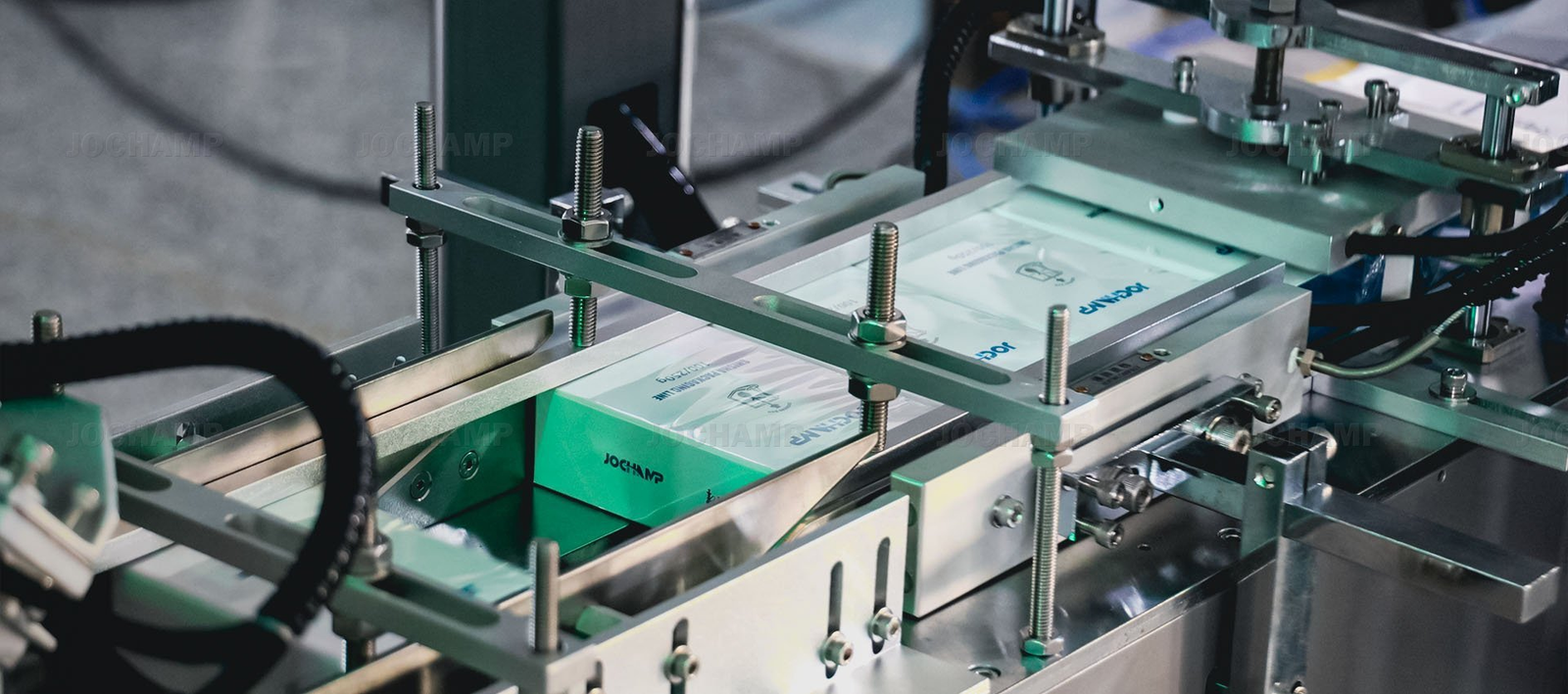
A Shisha Cartoning Machine is an important packaging solution for businesses that produce shisha products, hookah accessories, tobacco items, charcoal, flavors, and related goods. Modern customers expect products to arrive in attractive, secure, and well-designed packaging. For manufacturers, manual packaging can be slow, costly, and difficult to manage at high production volumes. This is where automated cartoning technology becomes useful.
A reliable Shisha Cartoning Machine can help manufacturers place products into cartons quickly and accurately. It can reduce manual labor, improve packaging consistency, and support faster production. Whether a company operates a small production facility or a large manufacturing plant, choosing the right machine can improve workflow and product presentation.
What Is a Shisha Cartoning Machine?
A Shisha Cartoning Machine is packaging equipment designed to automatically place products into prepared cartons or boxes. Depending on the machine design, it may open flat cartons, insert the product, place additional materials inside, and close or seal the carton.
Shisha products often require careful packaging because they may include fragile containers, flavor packs, tobacco pouches, charcoal products, hoses, bowls, or other accessories. A suitable cartoning system helps ensure that these products are packed securely and consistently.
The machine can be integrated into a larger packaging line. For example, products may first be filled, sealed, labeled, and inspected before moving to the cartoning stage. This creates a smoother production process and reduces the need for repeated manual handling.
How Does a Shisha Cartoning Machine Work?
The basic working process of a Shisha Cartoning Machine usually begins with carton feeding. Flat cartons are loaded into a magazine or feeding system. The machine then picks up each carton and opens it into the correct shape.
At the same time, the product moves through a conveyor or feeding system. The machine positions the product and inserts it into the open carton. Some systems can also insert instruction sheets, promotional cards, or other printed materials.
After insertion, the carton is closed using tuck-in flaps or another suitable closing method. The finished package then moves to the next stage of the production line. Depending on the setup, it may go through coding, labeling, shrink wrapping, case packing, or final inspection.
Why Automated Cartoning Is Important
Manual packaging can work for small production volumes, but it becomes more difficult as demand increases. Workers may package products at different speeds, and packaging quality can vary. Errors may also occur when employees become tired or when production requirements increase.
Automation helps create a more consistent process. A cartoning machine follows programmed movements and packaging settings, allowing products to be packed in a uniform way. This can improve the appearance of the final package.
A Shisha Cartoning Machine can also support businesses that want to increase output without adding a large number of workers. While automation requires an initial investment, it may help reduce repetitive manual tasks and improve long-term production efficiency.
Types of Shisha Cartoning Machines
There are different types of cartoning machines available for different production requirements. Horizontal cartoning machines are commonly used when products are inserted from the side into a carton. These machines can be suitable for many packaged consumer goods.
Vertical cartoning machines place products into cartons from above or below. They may be useful for certain product shapes, containers, or packaging arrangements.
Semi-automatic machines require more operator involvement and can be suitable for smaller businesses or lower production volumes. Fully automatic machines perform more packaging steps independently and are generally designed for higher-volume production.
The best choice depends on product size, carton style, production speed, available space, and budget.
Key Features to Look For
When selecting a Shisha Cartoning Machine, manufacturers should consider several important features. Production speed is one of the main factors. The machine should match the required output without creating a bottleneck in the packaging line.
Flexibility is also important. Businesses may sell products in different sizes or carton designs. A machine with adjustable settings can make it easier to change between packaging formats.
Other useful features may include automatic carton feeding, product detection, missing-product rejection, easy changeover, touchscreen controls, and safety protection systems. High-quality construction can also improve reliability and reduce maintenance requirements.
Manufacturers should also consider whether the machine can be integrated with existing filling, labeling, coding, or conveyor systems.
Benefits for Shisha Manufacturers
A modern cartoning system offers several benefits. First, it can improve packaging speed. Automated equipment can perform repetitive movements continuously and with consistent timing.
Second, it can improve product presentation. Uniform cartons create a cleaner and more professional appearance, which can support brand recognition.
Third, automation may reduce packaging errors. Sensors and inspection systems can help detect missing products or incorrectly formed cartons, depending on the machine configuration.
A Shisha Cartoning Machine can also improve workplace organization. Instead of relying on multiple separate manual steps, businesses can create a structured packaging line with a clear product flow.
Products That Can Be Packed
Cartoning equipment can be adapted for a wide range of shisha-related products. This may include packaged shisha flavors, tobacco containers, charcoal packs, disposable accessories, hookah components, and promotional product kits.
However, not every product requires the same machine setup. Product dimensions, weight, shape, and material must be considered before choosing equipment.
For example, lightweight pouches may require a different feeding system than rigid containers. Products with multiple components may also need grouping or collating before entering the carton.
Working with an experienced packaging equipment supplier can help manufacturers identify the correct configuration for their products.
Improving Packaging Quality and Consistency
Packaging quality plays an important role in customer satisfaction. A damaged or poorly closed carton can create a negative impression, even when the product inside is high quality.
Automated cartoning helps maintain consistency by repeating the same packaging process for each product. Proper machine adjustment can help ensure that cartons are opened, filled, and closed correctly.
Quality control should still remain an important part of the production process. Operators should inspect finished packages regularly and check machine settings.
Using suitable carton materials is equally important. The packaging must be strong enough to protect the product during storage, transportation, and handling.
Choosing the Right Machine
Choosing the right Shisha Cartoning Machine requires careful planning. Manufacturers should first understand their current production volume and future growth expectations.
The product dimensions and carton sizes should also be measured accurately. If the company uses multiple packaging formats, it should look for equipment that allows efficient changeovers.
Available factory space is another important consideration. The machine should fit into the production line without creating unnecessary movement or congestion.
Businesses should also evaluate technical support, spare parts availability, training, warranty options, and maintenance requirements before making a final decision.
Maintenance and Machine Care
Regular maintenance helps keep cartoning equipment operating efficiently. Operators should follow the manufacturer’s maintenance schedule and inspect important parts regularly.
Cleaning is important because dust, packaging materials, and small product particles can affect machine performance. Moving components may also require inspection and proper servicing.
Staff training can help prevent common operating mistakes. Operators should understand how to start and stop the machine safely, change carton formats, identify basic problems, and perform routine checks.
A preventive maintenance plan can reduce unexpected downtime and help extend the working life of the equipment.
The Role of Automation in Modern Packaging
Automation is becoming increasingly important across manufacturing industries. Businesses are looking for ways to improve speed, consistency, traceability, and production efficiency.
A Shisha Cartoning Machine can become an important part of an automated packaging system. When connected with conveyors, filling equipment, labeling machines, and inspection systems, it can help create a continuous workflow.
Modern equipment may also include digital controls that allow operators to monitor settings and production performance. This can make it easier to identify problems and improve operational planning.
Improving Production Efficiency
Efficiency is not only about operating at the highest possible speed. A successful packaging line must maintain product quality while reducing unnecessary delays.
Manufacturers should balance machine speed with product handling requirements. Running equipment too quickly without proper adjustment can lead to damaged products or packaging errors.
Regular operator training, preventive maintenance, and good production planning can improve the performance of the entire packaging line.
By selecting suitable equipment and maintaining it properly, businesses can create a more organized and scalable packaging operation.
Future Trends in Cartoning Technology
Future cartoning systems are likely to become more flexible, intelligent, and connected. Manufacturers increasingly need equipment that can handle different product formats and respond quickly to changing market requirements.
Smart sensors, automated inspection, digital monitoring, and improved machine controls may continue to play a larger role. These technologies can help operators monitor production and identify potential problems earlier.
Sustainability is also influencing packaging decisions. Many companies are exploring ways to reduce unnecessary packaging materials and improve efficiency. Cartoning equipment that can work effectively with different carton materials may provide greater flexibility.
Conclusion
A Shisha Cartoning Machine can help manufacturers improve packaging speed, consistency, product protection, and operational efficiency. From small semi-automatic systems to fully automated packaging lines, different solutions are available for different production requirements.
The right machine should be selected based on product type, carton design, production volume, factory space, and future business needs. Regular maintenance and proper operator training are also essential for long-term performance.
As packaging technology continues to develop, automation will remain an important tool for manufacturers seeking reliable and scalable production. Investing in the right Shisha Cartoning Machine can help create a more efficient packaging process and deliver professionally packaged products to the market.
